Choosing the best Outdoor Survival Jackets for 2026 is not about finding one coat for every emergency. It is about matching protection to weather, activity, and the layers worn underneath. Polar explorer Sir Ranulph Fiennes is often credited with the line, “There is no such thing as bad weather, only inappropriate clothing.” It captures a useful idea, though a jacket alone cannot make a poor plan safe.
This guide compares jackets by practical performance, not dramatic claims. We look at weather resistance, breathability, insulation, fit, durability, and repairability. A shell that keeps rain out during a short shower may feel clammy during a steep climb. A warm insulated coat may be welcome at a cold rest stop, then become uncomfortable during hard work. Small details matter: hood adjustment with gloves, cuffs that seal around sleeves, pockets reachable beneath a pack hip belt, and fabric that does not snag easily on brush. None is trivial.
The recommendations should help hikers, campers, and other outdoor users narrow their choices for 2026. We also consider how evidence is gathered, including material specifications and hands-on testing where available. That distinction matters; a product page is not the same as field experience. Still, testing has limits. One wet, windy trip cannot predict every climate or body type, and even a well-made jacket can fail if its fit or layers are wrong. There is no perfect pick. The best option is the one that suits your conditions, stays comfortable, and earns your trust through use—not just its label.
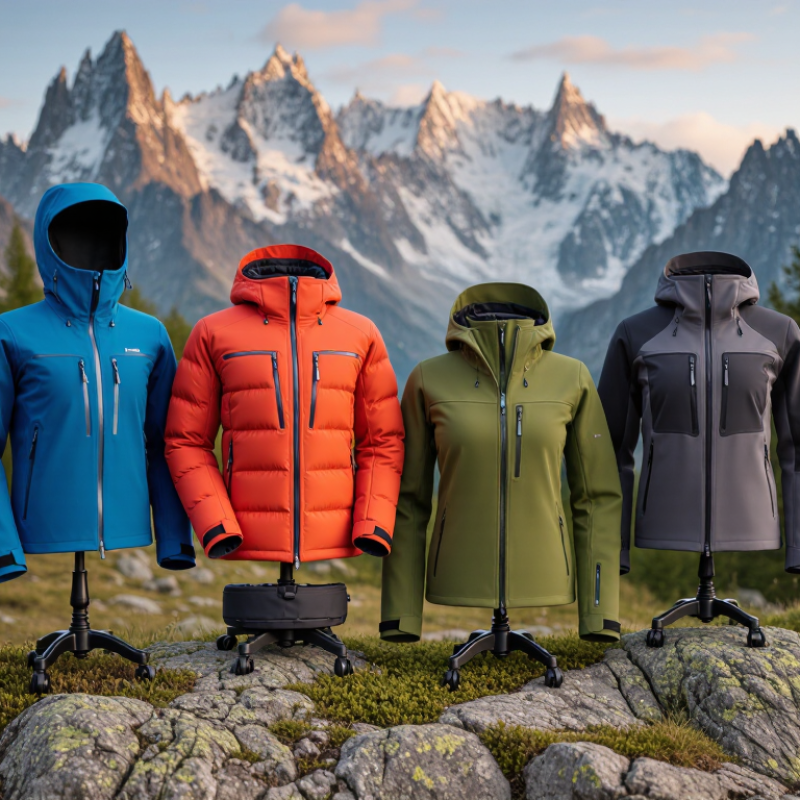
A survival jacket in 2026 must manage moisture, wind, and heat loss—not simply feel thick on a store hanger. The CDC notes that hypothermia can occur above 40°F when rain, sweat, or cold water chills the body. That makes a breathable, weather-resistant shell essential. Look for sealed seams, adjustable cuffs, and a hood that stays put when gusts hit. Small details matter. A zipper that catches with cold fingers is more than an annoyance.
The Outdoor Industry Association’s 2024 Outdoor Participation Trends Report counted 175.8 million U.S. outdoor participants in 2023. More people outdoors means more varied conditions, not one perfect jacket. Insulation should suit the trip and work with a base layer; too much warmth can leave clothing damp from sweat. The National Weather Service wind-chill chart shows exposed skin may face frostbite risk within 30 minutes near a -19°F wind chill. A high collar and close-fitting hood help, but they cannot replace gloves or sound judgment. Pockets should remain reachable under a pack belt. Fit is personal, and advertised weather ratings do not tell the whole story. Test the jacket in rain and while moving. It may still feel awkward. That’s worth noticing.
| Survival Requirement | Useful Specification or Feature | Why It Matters Outdoors | What to Check Before Buying |
|---|---|---|---|
| Rain protection | A waterproof-breathable shell; a stated hydrostatic-head rating of around 10,000 mm or higher is a useful starting point for prolonged wet-weather use. | Helps limit water penetration during sustained rain. No rating guarantees dryness in every condition; fit, wear, pressure, and construction also matter. | Look for sealed seams, a storm flap or water-resistant zipper, and an adjustable hood and cuffs. |
| Moisture management | Breathable construction plus pit zips or other ventilation that can be opened while moving. | Sweat and trapped heat can dampen clothing and reduce comfort. Ventilation lets the wearer adjust airflow during exertion. | Check that vents are easy to operate while wearing a pack and can be closed in rain. |
| Wind resistance | A wind-resistant outer fabric, secure front closure, adjustable hem, and snug cuffs. | Wind increases heat loss from exposed skin and clothing. A wind-blocking shell can improve comfort when temperatures feel colder than the air temperature suggests. | Check for gaps at the collar, cuffs, and hem, especially when reaching or bending. |
| Insulation strategy | Layer-compatible construction; use a shell with removable or separate insulating layers when conditions vary widely. | Layering allows insulation to be added at rest and removed during strenuous activity. Warmth depends on the full clothing system, activity, fit, and weather—not one jacket alone. | Allow room for a midlayer without restricting arm movement. Check whether insulation stays warm when damp and how it dries. |
| Hood and head coverage | A hood with adjustable volume and opening, a brim, and enough room for a warm hat or helmet if needed. | Adjustments help keep the hood in place and reduce rain and wind exposure without blocking vision. | Test visibility when turning your head and check that the hood remains secure in gusts. |
| Durability under pack use | Reinforced or abrasion-resistant areas at the shoulders and other high-wear points; robust stitching and closures. | Backpack straps and repeated contact can wear fabric over time. Durability is especially relevant on extended trips. | Inspect stress points, zipper operation, and whether pocket placement works with a hip belt. |
| Useful storage | Secure pockets for frequently used items, positioned so they remain accessible with a backpack or climbing harness. | Accessible storage helps keep small essentials close at hand without repeatedly opening the main pack. | Check pocket closures and placement; keep emergency equipment protected in appropriate waterproof storage. |
| Mobility and fit | Articulated sleeves, a suitable hem length, and enough room for planned layers without excess bulk. | Restricted movement can make walking, scrambling, or using equipment harder; an overly loose fit can let warmth escape. | Try reaching overhead, bending, and wearing the jacket with your usual pack and midlayer. |
| Packability and weight | Choose a weight and packed size appropriate to the trip; a lightweight shell may be easier to carry as a backup layer. | Every carried item contributes to pack weight, but lower weight should not replace adequate protection for the expected conditions. | Compare listed garment weight and packed dimensions, and confirm whether the jacket packs into its own pocket or a stuff sack. |
| Care and field repair | Clear care instructions, replaceable or repairable closures where possible, and fabric that can be patched with suitable repair materials. | Dirt and body oils can affect shell performance. Promptly addressing small tears can help prevent them from spreading. | Follow the garment’s care label and carry repair supplies suited to the fabric and trip. |
Selection note: No single jacket is best for every climate or activity. Match the shell, insulation, and fit to the forecast, trip length, exertion level, and layering system. Waterproof and breathability test ratings vary by method and should be treated as comparison data rather than a guarantee of real-world performance.
It should limit rain and wind while letting excess heat escape. Staying dry matters.
Rain and sweat can chill the body, even above 40°F. A breathable shell helps, but it cannot prevent overheating on a steep climb.
Check for sealed seams, adjustable cuffs, a snug hood, and a storm-flapped zipper. Small gaps matter.
Turn your head while wearing it. The hood should stay put without blocking your side vision.
Match insulation to the trip and your base layer. Too much warmth may leave your clothes damp with sweat.
Pit zips, a two-way zipper, and room for a thin insulating layer help you adjust. Reach overhead and crouch before deciding.
No. Worn cuffs, damp layers, and a loaded pack can change how a jacket performs. I would test it in rain and while moving.
Near a −20°F wind chill, exposed skin may face frostbite risk in about 30 minutes. A jacket helps limit heat loss, but gloves and sound judgment still matter. Be visible, too.
Choosing the best Outdoor Survival Jackets for 2026 means looking beyond warmth. A dependable jacket should help shield you from wind, rain, and cold while allowing comfortable movement and providing practical safety features, such as visible details and secure pockets. Materials, construction, and ventilation all affect how well a jacket performs as conditions change.
The right choice depends on your environment and activities, from wet woodland walks to exposed, windy terrain. Compare insulated, shell, and hybrid designs, and consider how each works with a layered clothing system. Check the fit with the layers you expect to wear, paying attention to mobility, coverage, and comfort. Durable stitching, reliable closures, and easy-care materials can also support long-term performance, helping you choose a jacket suited to repeated use rather than a single outing.