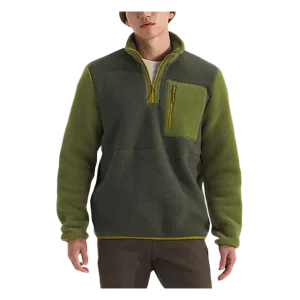
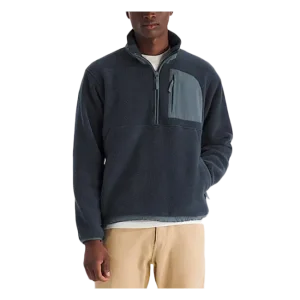
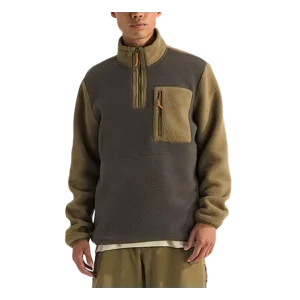
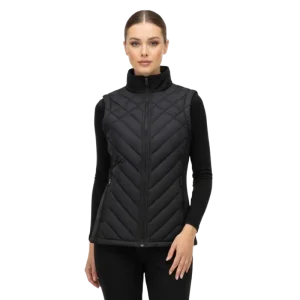
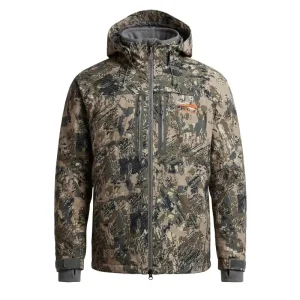
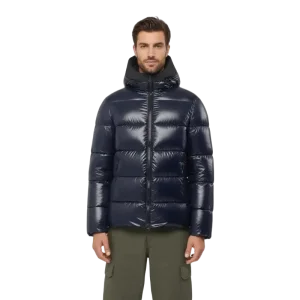
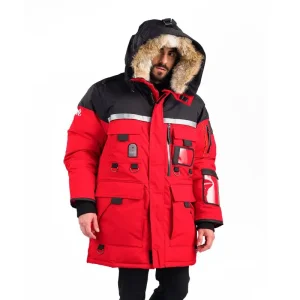
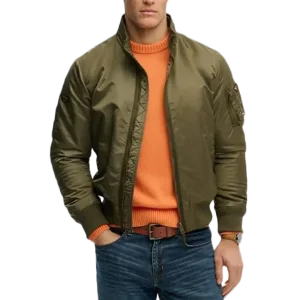
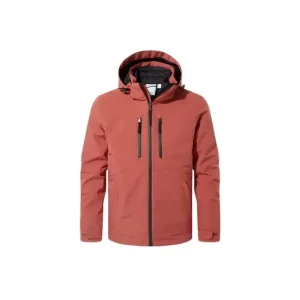
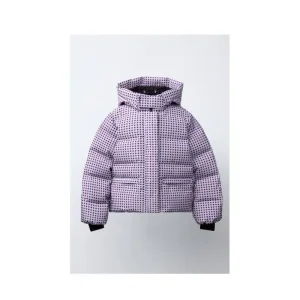
Explore our engineering capabilities in fleece construction, hybrid softshells, heavy-duty parkas, and technical outdoor wear.
Analyzing the evolution of synthetic pile fabrics, thermal-to-weight optimization, and decarbonized textile manufacturing networks in 2026 and beyond.
In the modern international apparel market, the synthetic fleece jacket has evolved from a basic insulating mid-layer into a highly technical, multi-scenario staple across outdoor exploration, heavy industrial workwear, and urban lifestyle apparel. Sourcing teams, brand managers, and corporate buyers no longer judge fleece garments purely on unit price; technical parameters such as CLO thermal insulation ratings, microplastic shedding reduction, anti-pilling ISO grade certifications, and GRS-certified recycled fiber lineage now dictate procurement decisions.
Unlike standard apparel items, high-performance fleece jackets rely heavily on mechanical double-brushing, double-shearing techniques, and precise heat-setting processes. A top-tier fleece supplier must manage fiber orientation to prevent structural matting, control static charge via anti-static filament integration, and ensure seam-slippage stays below critical thresholds during dynamic stress tests.
As global supply chains navigate shifting economic parameters and heightened ESG transparency regulations (such as EU Digital Product Passports and zero-PFC mandates), working directly with an established, vertically capable manufacturer is paramount. Guangdong Ruiniu Garment Manufacturing Co., Ltd. brings over two decades of specialized outerwear engineering to solve complex B2B sourcing challenges, balancing high-speed prototype iteration with rigorous quality governance.
Structural supply chain integration, advanced fiber spinning tech, and unmatched rapid-response manufacturing nodes in Guangdong Province.
Foshan and the Pearl River Delta offer an unmatched concentration of raw material spinning mills, circular knitting hubs, dyeing houses, and trim vendors within a 50 km radius.
China leads in high-speed, computer-controlled fabric finishing lines. Precision double-sided anti-pilling treatment ensures long-term tactile integrity and appearance retention.
Modern Chinese tier-1 factories operate under stringent environmental governance, backed by third-party audited certifications that satisfy Western retail standards.
A comprehensive breakdown of fleece fabric weights, structural knits, thermal properties, and recommended B2B application scenarios.
| Fleece Category | Weight (GSM) | Fiber Composition | Anti-Pilling Grade | Thermal CLO Rating | Primary Target Scenario |
|---|---|---|---|---|---|
| Micro-Fleece | 140 – 180 GSM | 100% Recycled Poly (75D/144F) | ISO Grade 4.5 | 0.35 – 0.45 CLO | Ultra-lightweight base/mid-layers, running pullovers |
| Polar Fleece (Classic) | 200 – 280 GSM | 100% Polyester (150D/288F DTY) | ISO Grade 4.0 | 0.60 – 0.75 CLO | Everyday mid-layer jackets, corporate outerwear |
| Grid Fleece (Waffle Structure) | 180 – 240 GSM | 92% Poly / 8% Spandex 4-Way Stretch | ISO Grade 4.5 | 0.55 – 0.70 CLO | Alpine mountaineering, breathable active sports |
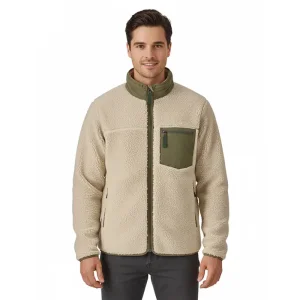
| Heavyweight Sherpa / High-Loft | 320 – 450 GSM | 100% Poly Shearling / Bonded Fleece | ISO Grade 3.5-4 | 0.95 – 1.30 CLO | Extreme cold outer jackets, winter fashion heritage |
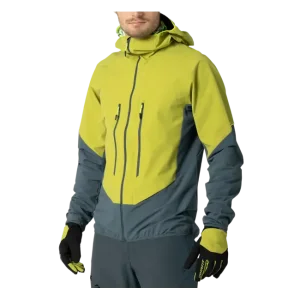
| Softshell-Bonded Fleece | 290 – 380 GSM | 3L: Woven Outer + TPU + Fleece | ISO Grade 4.5 | 0.80 – 1.10 CLO | Windproof workwear jackets, tactical winter uniform |
| Hi-Vis Workwear Fleece | 260 – 320 GSM | 100% Poly Fluorescent Filament | EN ISO 20471 | 0.70 – 0.85 CLO | Industrial safety uniforms, highway maintenance crews |
The insulating power of fleece does not stem from the synthetic polymer itself, but from the static air trapped within the Brushed Micro-Cavities. By utilizing multi-filament yarns (such as 144 filaments per 75 denier thread), Ruiniu engineers create millions of microscopic air pockets per square centimeter. This maximizes thermal resistance while allowing vaporous humidity (sweat) to migrate quickly outwards under dynamic pressure drops.
From 3D digital pattern grading to automated flatlock stitching, discover our six-step mass manufacturing protocol.
We eliminate high barrier-to-entry thresholds by accepting 100 pcs MOQs split across sizes and colorways. Rapid 7-10 day sample turnaround speeds up product launches.
Our high-stress seam lines feature Japanese Yamato flatlock machinery (ISO 607 stitch type). This delivers zero skin friction, extreme tensile tear resistance, and clean interior finish.
Every lot passes raw fabric 4-point inspection, hourly line audits, and 100% final garment inspection prior to packing, targeting an AQL 2.5 defect-free standard.
Custom-engineered garment solutions tailored to specific commercial channels, physical environments, and industry regulations.
Engineered for mountaineering brands demanding lightweight warmth and fast drying speed. Incorporates ergonomic raglan sleeve cuts, harness-compatible chest pockets, storm collars, and thumb-loop stretch cuffs.
Designed for logistics fleets, construction corporations, and emergency responders. Built with fluorescent yellow/orange dyes meeting EN ISO 20471 Class 2/3 and segmented 3M™ Scotchlite™ reflective striping.
Silent-motion fleece construction with specialized camouflage printing (Realtree/MultiCam style). Features abrasion-resistant Oxford elbow patches, dual tactical arm zip pockets, and low-visibility matte hardware.
Focuses on refined hand-feel, stylish two-tone pullovers, custom tonal logo embroidery, high-density chest patches, and custom branded neck tape for DTC brands and corporate apparel buyers.
Implementing next-generation fiber spinning, mechanical shear optimization, and closed-loop recycling loops.
As micro-fiber shedding from synthetic textiles comes under heavier global regulatory scrutiny, top fleece jacket manufacturers must lead the transition toward low-shedding fiber architectures. Ruiniu Garment works alongside leading raw material suppliers to integrate innovative yarn geometry and finishing solutions:
Replacing short staple spun polyester with high-tenacity continuous filament yarns. This structural change reduces fiber fragmentation during laundering by up to 70%.
Utilizing 100% post-consumer recycled plastic bottles (rPET) certified by GRS, reducing reliance on virgin petroleum and cutting product carbon footprints by ~45%.
Eliminating raw interior seam edges through ultrasonic welding and bound tape construction, locking micro-fibers inside the garment structure.
Direct answers on order minimums, technical anti-pilling test reports, custom branding, and shipping logistics.
Explore our complete manufacturing portfolio ranging from Sherpa fleece and softshells to activewear sets and heavy winter shells.
Send us your tech pack, target price points, or reference garments. Our technical merchandising team will return complete feasibility evaluations, lab-dip timelines, and FOB quotations within 24 hours.