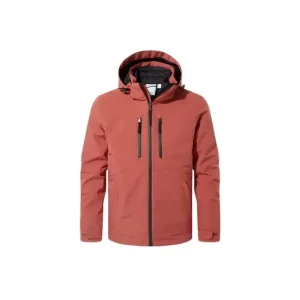
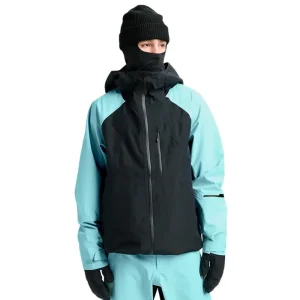
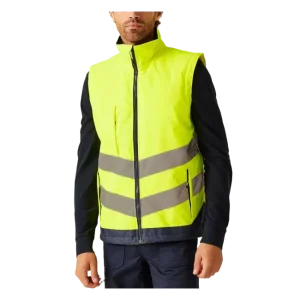
Explore our high-performance technical jackets engineered for outdoor brands, industrial workwear suppliers, and global apparel importers. Built to rigorous international standards with verified membrane integration.
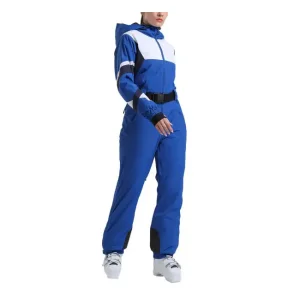
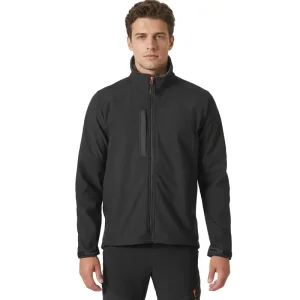
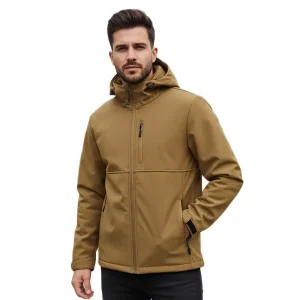
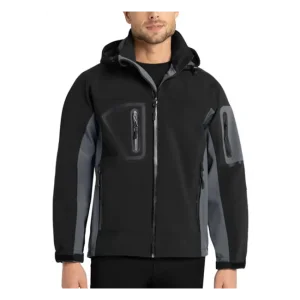
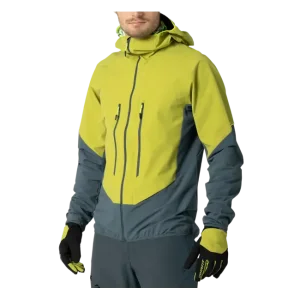
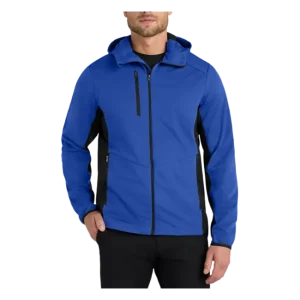
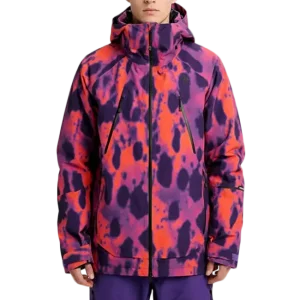
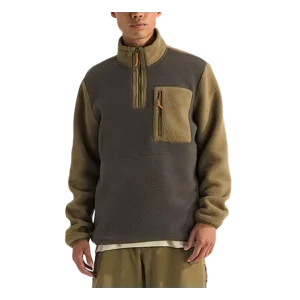
The global market for technical softshell outerwear has undergone a radical transformation over the past decade. Once positioned strictly as a niche mid-layer solution for alpine mountaineers seeking protection between heavy fleece and rigid hardshell rainwear, the modern softshell jacket has emerged as a cornerstone of the global technical apparel sector. Valued at over USD 3.8 Billion globally with a projected compound annual growth rate (CAGR) exceeding 6.8% through 2030, softshell garments represent one of the highest-margin, most versatile categories for outdoor retail brands, industrial workwear distributors, and tactical equipment procurement entities.
This explosive growth is driven by a fundamental shift in end-user demands: modern consumers and industrial workers refuse to compromise between ergonomic movement, weather barrier protection, and climate control. Traditional hardshell garments, while exceptionally waterproof, often suffer from poor breathability, noise generation during friction (swishing sound), and rigid tactile properties. Conversely, classic fleece garments offer insulation and comfort but fail instantly under precipitation or high wind conditions. The engineered softshell—constructed by bonding an abrasion-resistant stretch face fabric to a micro-porous waterproof membrane and a thermal backer—bridges this structural gap entirely.
Geographically, procurement dynamics vary significantly across key enterprise markets:
When sourcing custom softshell jackets at enterprise scale, technical apparel brands and wholesale buyers encounter critical supply chain bottlenecks in traditional manufacturing hubs. Producing a high-performance softshell is not merely a cut-and-sew operation—it is a complex material bonding and engineering process that requires an advanced industrial infrastructure. Guangdong province, particularly the Foshan and Nanhai garment manufacturing cluster where Guangdong Ruiniu Garment Manufacturing Co., Ltd. operates, provides an unmatched competitive advantage in global technical outerwear production.
Direct proximity to specialized textile mills allowing rapid sourcing of 75D/150D mechanical stretch fabrics, TPU/PU/ePTFE breathable membranes, and bonded polar/microfleece backings within 48-72 hours.
Deployment of CAD nesting software achieving 88%+ marker efficiency, paired with multi-ply automated laser cutters and ultrasonic seam-welding machinery to guarantee zero thermal leakage.
Strict internal quality gates comprising 4-point raw fabric inspection, hourly line patrols, hydrostatic pressure spot checks (ISO 811), and 100% final AQL 2.5 buyer-ready audit reports.
To understand China's manufacturing edge, one must examine the layer-by-layer architectural precision engineered by professional exporters like Ruiniu. The table below illustrates the standard material matrix for high-spec commercial softshell jackets:
| Layer Designation | Material Composition | Performance Specification | Functional Contribution |
|---|---|---|---|
| Outer Shell (Face Layer) | 92% Polyester, 8% Spandex (4-Way Stretch) or 100% Recycled Ripstop Nylon | 50D-150D Yarn, 180-240 gsm, C0 DWR (PFC-Free Water Repellent) | Provides structural durability, wind deflection, abrasion resistance, and water beads protection. |
| Middle Membrane (Core Barrier) | Micro-porous TPU (Thermoplastic Polyurethane) or ePTFE Film | 10,000mm - 20,000mm Hydrostatic Head; 5,000 - 15,000 g/m²/24h MVTR | Prevents liquid water droplets from penetrating while allowing sweat vapor molecules to escape freely. |
| Inner Lining (Backer) | 100% Polyester Microfleece, Grid Fleece, or Honeycomb Thermal Mesh | 100 - 180 gsm, Anti-Pilling Treated (Grade 4+), Moisture Wicking | Traps still air body thermal heat, absorbs inner moisture, and provides comfortable next-to-skin touch. |
Expert Production Insight (E-E-A-T Guarantee): Delamination is the primary cause of field failure in low-quality softshell jackets. Guangdong Ruiniu utilizes PUR (Polyurethane Reactive) hot-melt dot lamination technology under calibrated temperature (130°C - 140°C) and pressure rollers. This ensures that even after 50+ industrial wash cycles, the membrane remains permanently bonded without bubbling, peeling, or stiffness degradation.
Softshell jackets engineered by Ruiniu Garment are tailored for diverse industrial, commercial, and athletic environments. By modifying the face fabric weight, membrane breathability rating, and backer lining, our factory creates custom OEM solutions across four core sector categories:
Designed for logistics, utility repairs, construction sites, and railway operations. Features EN ISO 20471 Class 2/3 certified high-visibility fluorescent fabrics, 3M™ Scotchlite™ retro-reflective tape, reinforced Cordura® elbow patches, and radio/mic tabs. Built to endure harsh job site conditions.
Engineered for skiing, mountaineering, trekking, and trail running brands. Features 4-way mechanical stretch fabric for total freedom of motion, helmet-compatible storm hoods with 3-way cord adjustments, waterproof YKK AquaGuard® zippers, and pit-zip laser ventilation systems.
Clean, executive silhouettes tailored for tech corporations, automotive brands, security firms, and municipal services. Smooth outer face ideal for clean crisp screen printing, subtle heat-transfer logos, or high-density embroidery without membrane perforation risk.
Designed for security officers and field operators. Incorporates matte non-reflective face fabrics, silent-motion weave technology, loop fields for morale patches, dual chest concealed document pockets, and side-zipper access for quick equipment deployment.
As an industry-leading softshell jacket exporter, RuiniuGarment stays ahead of global regulatory shifts and technology trends. International apparel buyers must align their product development with these key innovation drivers to remain competitive in North American and European markets:
Global retailers are under intense environmental scrutiny. The industry is rapidly phasing out traditional C8 and C6 fluorocarbon water-repellent treatments containing PFOA and PFOS. Ruiniu has fully integrated C0 DWR (PFC-Free) silicone and plant-based repellent chemistry that achieves Grade 4 initial water repellency (AATCC 22 spray test) while meeting EU REACH and US EPA compliance. Furthermore, our mill partnerships offer 100% GRS-certified recycled polyester (rPET) derived from post-consumer plastic bottles, paired with bio-based TPU membranes.
Heavy, rigid softshells are being replaced by ultralight 3-layer constructions weighing under 180 gsm. By utilizing fine-denier yarns (20D/30D nylon) and micro-dot adhesive coating patterns, modern softshells provide 100% wind blocking without sacrificing packability. Ultrasonic bonding and heat-taped edge construction replace traditional stitching on pocket flaps and hems, creating sleek, futuristic urban aesthetics.
Enterprise procurement for cold-weather working environments increasingly specifies active heating systems. Custom ODM softshell jackets can now be factory-retrofitted with flexible graphene or carbon fiber heating pads powered by standard 5V/9V power banks. Controlled via waterproof chest push-buttons or mobile apps, these garments extend operational comfort in sub-zero alpine conditions down to -25°C.
Procuring custom softshell jackets overseas involves managing technical specifications, quality verification, and lead times. To assist professional purchasing officers, brand directors, and supply chain managers, our senior engineering team has formulated this standardized supplier evaluation matrix:
Verify that your factory provides third-party lab reports (SGS, Intertek, Bureau Veritas) confirming Hydrostatic Head (ISO 811 > 10,000mm) and Moisture Vapor Transmission Rate (JIS L1092 B1 > 5,000 g/m²/24h) prior to bulk cutting.
For fully waterproof softshells, ensure the factory operates hot-air seam sealing machines capable of applying 13mm-22mm 3-ply PU or TPU sealing tape across all armhole, shoulder, and hood seams under strict temperature control.
Outerwear performance relies heavily on hardware. Insist on authentic YKK, SBS, or SAB zippers equipped with waterproof TPU tape, paired with cold-resistant plastic cord locks capable of functioning at -30°C without cracking.
A typical FOB landed cost breakdown for a high-spec technical 3L softshell jacket produced in China follows this standardized cost distribution:
Clear, technical, and transparent answers regarding OEM/ODM manufacturing, low MOQs, fabric certifications, and production timelines.
Expand your brand's seasonal collection with our broader OEM/ODM manufacturing lineup—from heavy winter down insulation to lightweight fleeces and 3-in-1 modular systems.