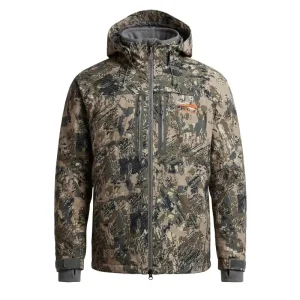
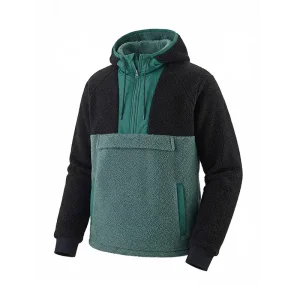
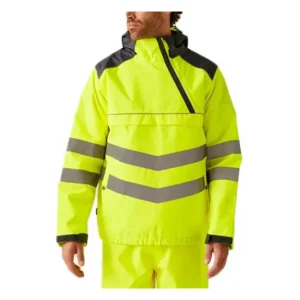
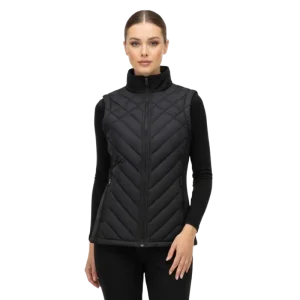
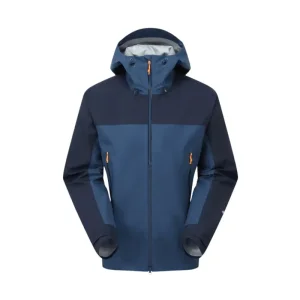
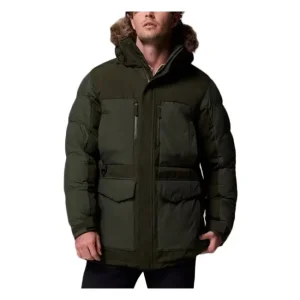
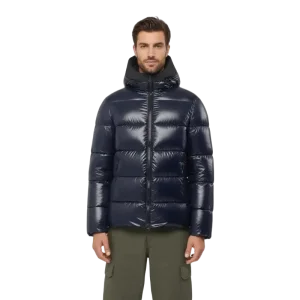
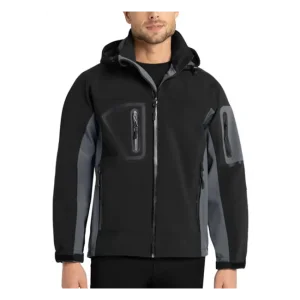
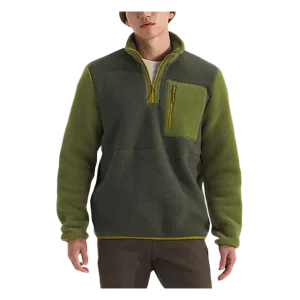
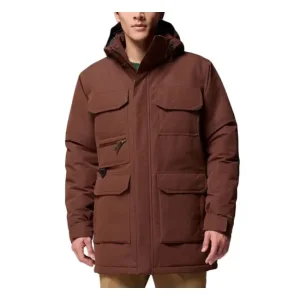
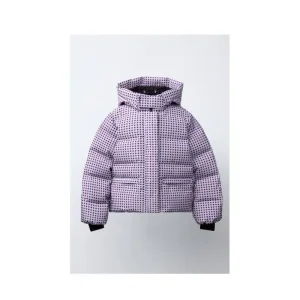
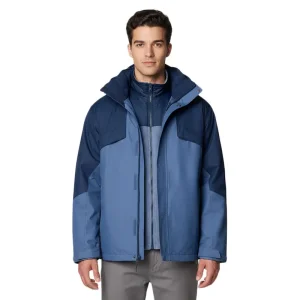
Direct access to high-performance men's and women's down, puffer, and technical shells engineered to rigorous thermal and waterproofing benchmarks.
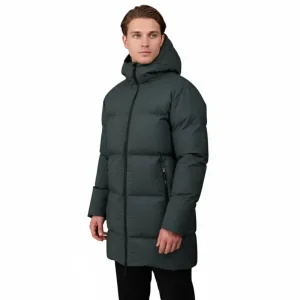
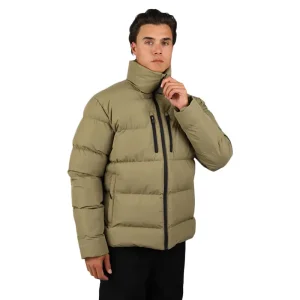
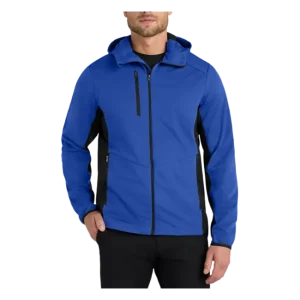
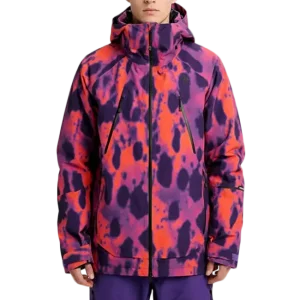
Analyzing supply chain volatility, fill power economics, and responsible down sourcing standard (RDS) integration for multi-national brand procurement.
Navigating the global winterwear trade requires balancing insulation efficiency, raw material traceability, and landed-cost stability. Traditional procurement often encounters systemic barriers: fluctuating natural down prices, inconsistent fill-power grading, feather migration defects, and non-compliance with international labor and animal welfare mandates.
As a specialized down jacket manufacturer and exporter, Guangdong Ruiniu Garment Manufacturing Co., Ltd. addresses these operational bottlenecks through direct mill-to-factory integration. By leveraging long-term contracts with certified goose and duck down processing plants across Asia and North America, we secure consistent supply chains rated under the Responsible Down Standard (RDS 3.0) and Global Recycled Standard (GRS).
The modern consumer demands lightweight ultra-compressible thermal protection without sacrificing structural durability. Achieving optimal CLO thermal insulation ratings (ranging from 1.5 CLO to 4.2 CLO for extreme arctic sub-zero parkas) mandates precise engineering of the fill-weight-to-baffle-volume ratio.
Our engineering laboratory utilizes high-precision automated blow-filling systems equipped with real-time electronic scales calibrated to ±0.05 grams. This ensures every individual baffle chamber receives an exact payload of 600, 700, 750, or 800 Fill Power insulation, eliminating cold spots while maintaining minimal gross garment weight.
From down-proof calendering and ultrasonic baffle bonding to multi-layer membrane lamination: an inside look at enterprise manufacturing standards.
We implement three distinct chambering technologies based on performance requirements:
Preventing plumule feather migration requires technical fabric treatments without compromising breathability:
For alpine ski jackets and heavy-duty winter parkas, weatherproofing is engineered at every layer:
| Insulation Grade | Fill Power (CuIn) | Composition Ratio | Recommended Shell Outer | Target Temperature Range |
|---|---|---|---|---|
| Standard Urban Puffer | 550 - 600 FP | 80/20 Duck Down | 50D 290T Polyester DWR | -5°C to 10°C (23°F to 50°F) |
| Technical Alpine Shell | 700 - 750 FP | 90/10 White Goose Down | 20D 380T Nylon Ripstop 2L membrane | -20°C to -5°C (-4°F to 23°F) |
| Arctic Expedition Parka | 800+ FP hydrophobic | 95/5 Premium Goose Down | 3L Cordura® Nylon Taslan 20K/20K | -40°C to -20°C (-40°F to -4°F) |
| Recycled Circular Outerwear | 600 - 700 FP GRS Down | 100% Post-Consumer Down | 100% Recycled PET DWR (PFC-Free) | -15°C to 5°C (5°F to 41°F) |
Customizing export compliance, sizing blocks, and performance feature sets across global consumer markets.
Primary Intent: Heavyweight expedition parkas, multi-pocket tactical winter coats, lifestyle oversized puffers.
Standards: Strict adherence to FTC Down & Feather Labeling Act, USA ASTM D2370 seam strength requirements, CPSIA lead/phthalates rules, and CA Prop 65 chemical compliance.
Primary Intent: Ultra-lightweight touring shells, circular eco-friendly down jackets, sleek urban silhouettes.
Standards: Full EU REACH chemical regulation, fluorocarbon-free (PFC-Free DWR) hydrophobic finishes, OEKO-TEX Standard 100 Class I, and certified GRS recycled yarn tracking.
Primary Intent: High-density technical ski jackets, 3-in-1 modular systems, high-shine shiny nylon streetwear coats.
Standards: JIS L1903 down test protocols, precise grading fit curves for Asian ergonomic profiles, high-visibility reflective elements under EN ISO 20471.
Pioneering smart heating integration, bio-based face fabrics, and 3D digital tech pack workflows for the 2026-2030 outerwear lifecycle.
Next-generation down apparel transitions from passive insulation to active thermal regulation. Our development pipeline incorporates flexible carbon-nanotube and graphene heating elements embedded directly into the lining backplate.
Powered by ultra-lightweight 5V USB power bank modules, these system garments provide targeted micro-climate heating across key zones (upper back, chest, lumbar) with 3-stage smart thermostat control, tested for machine washability up to 50 standard cycles.
To reduce sample iteration times from weeks to hours, our OEM/ODM client team leverages 3D CLO virtual garment rendering. We convert your 2D tech pack into a photorealistic digital twin, running dynamic stress and drape simulations under simulated alpine wind conditions.
Furthermore, CAD computerized marker nesting boosts fabric efficiency to over 88% yield, drastically cutting cutting-room waste and lowering cost-per-unit for large scale production runs.
Ensuring total transparency from raw material quarantine to container loading via a standardized 4-step inspection gate.
100% incoming fabric lots are audited via standard 4-Point System scoring. Down fills undergo independent lab testing for fill power, turbidity (≥1000mm rating), fat/oil percentage (≤1.2%), and species purity before entering the assembly floor.
Patrol inspectors check stitch density (aiming for 12–14 stitches per inch), needle cooling settings (preventing heat-fusing holes in synthetic shells), down chamber weight uniformity, and seam tension tolerance every 2 hours.
Prior to carton packaging, finished garments pass through dual-head needle detectors, hydrostatic water-head pressure testers, zipper endurance pull stations, and total measurement validation matching your approved tech pack spec.
Direct answers to core commercial, manufacturing, logistics, and technical development inquiries.
Explore our full line of industrial workwear, softshells, polar fleeces, and custom hunting gear.