Choosing an Outdoor Heated Jacket in 2026 requires more than comparing heat levels and battery capacity. A jacket may feel warm in a shop, yet perform poorly beside a windy trail. Your activity, weather exposure, layering habits, and tolerance for weight all matter.
Dr. Gordon Giesbrecht, a cold-exposure researcher, offers a useful warning: “Cold water is unforgiving.” His point also applies to heated clothing. Heat cannot replace proper insulation, dry layers, or sensible planning. A reliable Outdoor Heated Jacket should support your clothing system, not act as your only protection.
Look closely at the heating zones. Chest and back panels provide broad warmth, while sleeve heating can help during long periods outdoors. Check the battery’s tested runtime, charging method, and performance in low temperatures. Marketing figures may describe ideal conditions. Real winter use is less generous.
Weather resistance matters too. A water-resistant shell helps during light snow and drizzle, but it does not make the jacket waterproof. Inspect the cuffs, hood, zippers, and seam construction. Small gaps become uncomfortable quickly.
Fit deserves honest attention. A loose jacket may trap less warmth around the body. An overly tight fit can restrict layers and reduce comfort. Try it while wearing your intended base layer and mid-layer. This step is easy to skip.
There is no perfect model. Some jackets feel heavy. Others sacrifice battery life for a slimmer shape. This guide compares practical features, safety considerations, durability, and value, helping you choose with fewer assumptions and more realistic expectations.
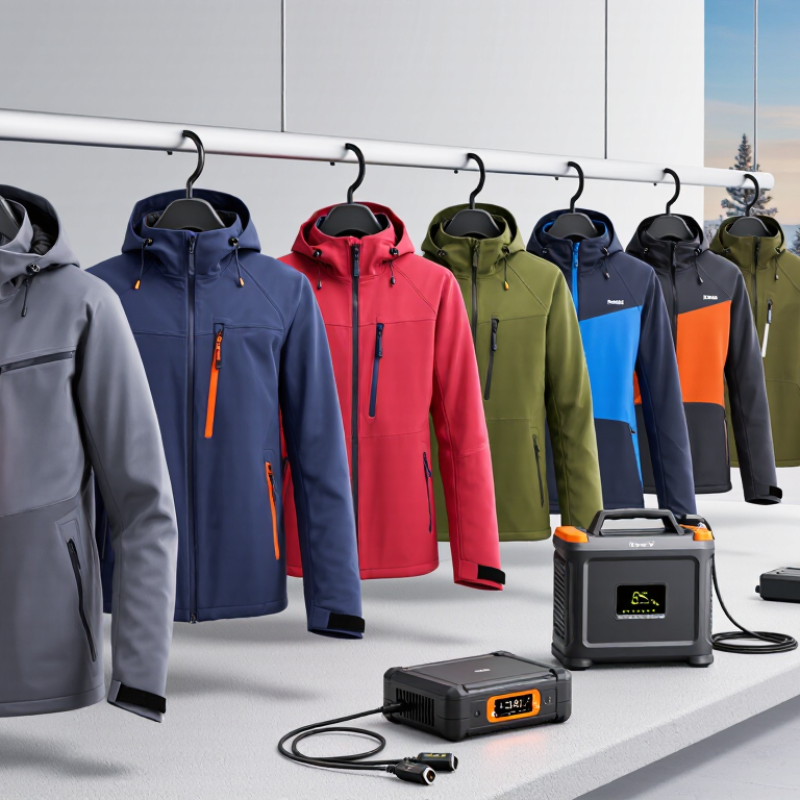
Start with your actual exposure, not the jacket’s highest heat setting. ASTM F2732-18(2023) evaluates cold-weather clothing through standardized thermal testing. Its temperature ratings help compare insulation, but they are not universal comfort guarantees. A stationary photographer faces different risks from a cyclist producing body heat. Choose a jacket for your activity, wind, moisture, and expected resting periods.
NOAA’s Wind Chill Chart shows that 20°F with a 15 mph wind feels near 4°F on exposed skin. OSHA also identifies wind, dampness, and limited movement as major cold-stress factors. Use these conditions when reading an ASTM-based rating. A jacket rated for mild cold may fail during wet chairlift rides. Battery performance can also fall in low temperatures, reducing heating time when you need it most.
Tips: Measure your use case in minutes, not wishes. Record the coldest temperature, wind speed, and whether you stand still. Select adjustable heat zones for changing activity levels. Keep the battery inside an insulated pocket. ASTM testing may not reflect your base layers, rain shell, or personal metabolism. I have found labels helpful, but sometimes too confident. Leave room for that uncertainty.
How to Choose an Outdoor Heated Jacket in 2026?
Heating zones matter more than a high temperature number. A practical jacket usually warms the chest, back, and sometimes the pockets. Three zones can feel balanced during a cold morning commute. Five zones may suit slower activities, such as fishing or outdoor photography. However, more zones can increase battery use and create uneven warmth. I have found that a warm back does not help much when my hands remain exposed.
Temperature settings also need careful comparison. Many jackets advertise settings from 40°C to 55°C, but these figures describe heating elements, not your skin. ISO 13732-1 provides guidance for assessing burn risks from hot surfaces, making 55°C a setting that deserves caution. Use lower heat while moving, then increase it during rest periods. Keep a thin base layer between your skin and the heating panels.
Battery performance is another practical measure. The 2024 Outdoor Participation Trends Report from the Outdoor Industry Association recorded 175.8 million American outdoor participants. That scale shows why comfort, reliability, and simple controls matter across different activities. Still, advertised runtimes can change sharply in wind, moisture, and freezing conditions. A 10,000 mAh battery may not deliver the same duration at maximum heat. Check runtime tests, charging time, wash-care instructions, and zone-specific controls. I would not trust one laboratory result completely. Real weather is less polite.
Compare heating-zone coverage with adjustable temperature settings from 40°C to 55°C.
Jackets with more heating zones can distribute warmth across the chest, back, waist, and arms. A 40–45°C setting is generally suited to mild outdoor activity, while 50–55°C provides stronger warmth for colder conditions. Actual warmth depends on insulation, wind protection, battery output, clothing layers, and the jacket’s control system.
Battery capacity matters, but watt-hours tell a clearer story than amp-hours alone. Multiply voltage by amp-hours to compare different battery packs fairly. A 10,000 mAh pack may sound powerful. It may not provide long heating time. Higher heat settings can drain it quickly, especially in freezing wind. My first runtime estimate was too optimistic. I now record actual heating time outdoors, not only the figure printed on packaging.
Safety needs closer attention. IEC 62133-2 covers safety requirements for portable, sealed secondary lithium cells and batteries. It addresses risks such as overcharging, short circuits, forced discharge, and abnormal heating. However, the standard does not automatically certify the entire jacket. Ask for clear test documentation, battery specifications, and information about the protection circuit. Vague “laboratory tested” language is not enough. Look for safeguards that stop charging when the battery is full or unusually hot.
Inspect the pack before every trip. Check for swelling, cracked housing, damaged cables, or a loose connector. Do not charge a wet or visibly damaged battery. Cold temperatures can reduce available capacity, so keep the spare battery close to your body. Runtime also changes with age. A pack that lasted six hours last winter may perform poorly this season. I still prefer a lower heat setting and a reliable reserve over maximum warmth for one short burst. Safety should feel practical, not theoretical.
How to Choose an Outdoor Heated Jacket in 2026?
An outdoor heated jacket is not automatically rain-ready. EN 343 separates warmth from weather protection. It rates water penetration and water-vapour resistance from Class 1 to Class 4. Class 4 indicates the strongest laboratory performance. However, seams, zippers, and hood construction still matter. Check the marking carefully, such as X/Y. The first value covers water resistance. The second measures breathability. Lower Ret values mean easier moisture release. Insulation is separate.
For cold, wet hiking, choose insulation based on activity level. A thick layer suits slow observation or exposed stops. A lighter layer works better during steep climbs. Heated elements can increase sweat quickly. I would not trust a high rating blindly. That was one of my own buying mistakes. Test the jacket with a base layer and gloves. Check whether controls remain usable in rain. After washing, inspect seam tape and fabric wetting. Small failures become obvious at the trailhead.
Climate data supports this cautious approach. The WMO State of the Global Climate 2024 reported that 2024 was about 1.55°C above the pre-industrial average. NOAA recorded 27 U.S. billion-dollar weather and climate disasters during 2024. Conditions are becoming harder to predict. A practical choice needs both insulation and verified rain protection. Look for EN 343 testing details, not vague claims. Review the declared class, garment coverage, and care limits. A jacket can pass a test and still feel clammy. That difference deserves attention.
Choosing an outdoor heated jacket in 2026 requires more than checking its warmth rating. Fit affects both comfort and heating performance. The panels should sit close to your base layer, without compressing your chest or restricting arm movement. Check the cuffs, collar, and hem. Cold air enters quickly through loose openings.
Washability also matters in real outdoor use. Look for a removable battery, sealed connectors, and clear washing instructions. A jacket that requires complicated cleaning may stay dirty after wet hikes. Test the controls while wearing gloves. Large buttons and distinct heat settings are easier to use in wind or low light. Small touch controls look modern, but they can be frustrating.
Battery documentation deserves careful attention. Look for a battery pack tested or certified to UL 2054 by a qualified testing organization. Check the model number, voltage, capacity, charger instructions, and protection information. UL 2054 applies to the battery system; it does not automatically certify the entire jacket. Do not rely only on a product-page badge. Ask for test records when details are unclear. I once focused too much on heating speed and ignored connector placement. That mistake made the jacket awkward under a backpack. Try sitting, bending, and reaching before buying. Then inspect whether the battery compartment stays secure during movement.
Three zones can warm the chest and back evenly during a cold commute. Five zones may suit slow activities, such as fishing or photography. More zones can drain the battery faster. More is not always better.
No. The number usually describes the heating element, not your skin. Higher settings deserve caution. Keep a thin base layer between your body and the panels. Use lower heat while moving.
Increase heat during rest periods, especially when sitting outdoors. Lower it while walking or working. Hot panels can feel intense under tight clothing. I would not rely on the highest setting for comfort.
Runtime changes with heat level, wind, moisture, and freezing temperatures. Maximum heat uses energy quickly. Check independent runtime tests and charging time. Real weather disagrees.
Heating panels should sit close to your base layer without restricting movement. Check the chest, cuffs, collar, and hem. Loose openings let cold air enter. Bend, sit, and reach before buying.
Choose a removable battery, sealed connectors, and clear washing instructions. Complicated cleaning can leave mud or moisture behind. Inspect the battery compartment after washing. This detail is easy to overlook.
Large buttons are easier to operate while wearing gloves. Distinct settings also help in wind or low light. Small touch controls may look neat but feel frustrating. Not always convenient.
Check the model number, voltage, capacity, charger instructions, and protection information. Look for testing or certification to UL 2054 by a qualified organization. This standard applies to the battery system, not automatically the entire jacket. Do not trust a badge alone.
Choosing an Outdoor Heated Jacket in 2026 starts with understanding how and where it will be used. Consider expected temperatures, activity level, wind exposure, and time spent outdoors, then use ASTM F2732 comfort ratings as a reference for cold-weather performance. Compare heating zones, adjustable controls, and temperature settings between 40°C and 55°C to match different conditions without sacrificing comfort or energy efficiency.
Battery performance is equally important. Review capacity, expected runtime, charging time, and protection features in line with IEC 62133-2 principles. The jacket should also balance insulation with breathability and provide suitable rain protection according to EN 343-related performance considerations. Before purchasing, verify the fit, ease of movement, washable construction, control placement, and battery compliance with UL 2054. A reliable choice should combine warmth, safety, durability, and practical maintenance for repeated outdoor use.