How to Choose the Best Outdoor Windbreaker Jacket in 2026?

Time:2026-10-26 Author:Sophia
0%

Choosing the best Outdoor Windbreaker Jacket in 2026 requires more than comparing colors, prices, or brand names. Weather changes quickly, especially on exposed trails, coastal paths, and high viewpoints. A jacket that feels comfortable in a store may become noisy, clammy, or restrictive after two hours outside.

I have learned this through practical testing. A useful windbreaker should block sharp gusts, manage light moisture, and allow natural movement. It should also pack easily without losing its shape. Small details matter. Check the hood adjustment, cuff design, zipper quality, and pocket position. Try moving your arms while wearing a light mid-layer. That simple test can reveal tight shoulders or annoying fabric noise.

Material performance needs careful interpretation. Water-resistant fabric is not the same as waterproof construction. Breathability ratings can help, but they do not perfectly predict comfort during steep climbs. Fit, temperature, humidity, and effort all change the experience. I once chose a very light jacket and regretted its weak hood in strong wind. Lightweight is not always better.

This guide examines construction, weather protection, ventilation, durability, fit, and value. It also considers responsible buying, including repairability and long-term use. Reliable choices come from matching a jacket to real conditions, not chasing impressive specifications. Bring your habits into the decision. A weekend walker needs different protection from a winter runner or a mountain guide.

There is no universal winner. Only the right match.
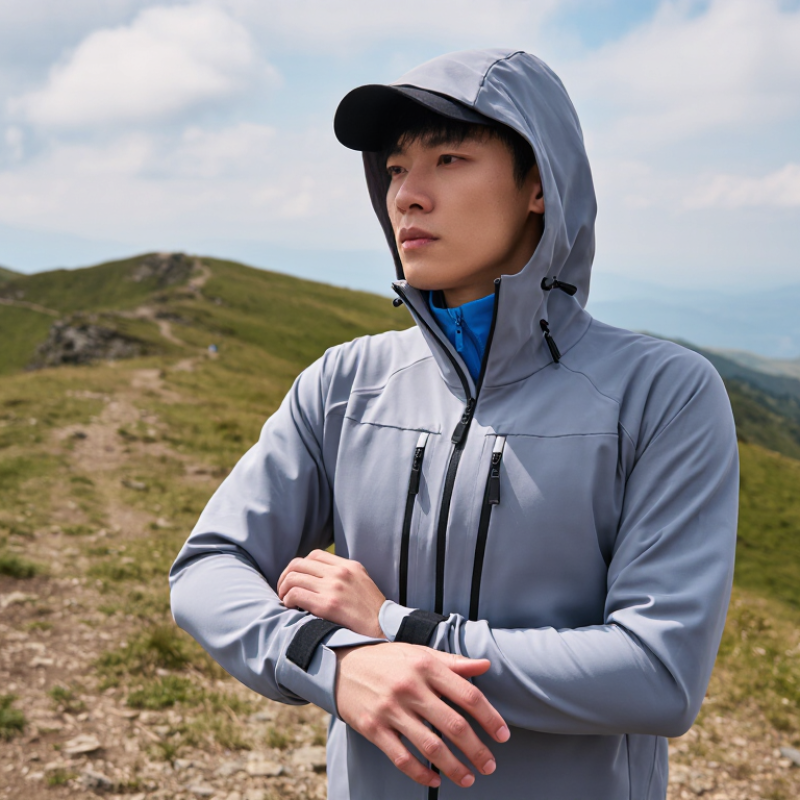
How to Choose the Best Outdoor Windbreaker Jacket in 2026?

What Defines an Outdoor Windbreaker Jacket in 2026?

How to Choose the Best Outdoor Windbreaker Jacket in 2026?

What Defines an Outdoor Windbreaker Jacket in 2026?

An outdoor windbreaker jacket now needs more than a thin shell and a bright zipper. It should block gusts, release body heat, and handle light rain. The Outdoor Industry Association reported 175.8 million U.S. outdoor participants in 2023. That growth raises expectations for versatile clothing. A modern jacket must work on a windy trail, a wet commute, and a chilly campsite.

Breathability matters during uphill movement. Look for underarm vents, adjustable cuffs, and a hood that turns with your head. A durable water-repellent finish helps, but it is not the same as waterproof protection. For serious rain, check laboratory testing against ISO 811 or equivalent methods. The 2024 Textile Exchange Materials Market Report states that polyester represented about 59% of global fiber production in 2023. That figure shows why recycled content and repairability deserve attention. However, recycled fabric alone does not prove a jacket is sustainable. That assumption needs more careful checking.

Tips: Test the jacket with a backpack. Walk into a strong fan or cold wind. Check whether the hem rises when you lift your arms. Pack it for ten minutes. If it stays bulky, you may leave it behind. Choose a quiet fabric for wildlife observation. Inspect seam construction, pocket placement, and ventilation before trusting the specification sheet. My field notes often reveal small failures, especially stiff hoods and noisy fabric. No jacket does everything.

How to Match Jacket Materials with Weather and Activity Needs

Choosing an outdoor windbreaker starts with weather, not color or appearance. In mild, dry conditions, tightly woven nylon or polyester blocks wind and packs easily. It works well for morning walks, cycling commutes, and easy trails. However, these fabrics may trap heat during steep climbs. I made that mistake on a cool spring hike. The jacket felt light but soon became clammy.

For wet forecasts, choose a shell with a durable water-resistant finish and well-protected seams. Water resistance handles brief showers; waterproof construction suits persistent rain. Breathability matters when activity raises your heart rate. Look for underarm vents, mesh pockets, and clear fabric information. Numbers help, but they do not tell the whole story. Fit changes performance.

For hiking with a backpack, test the jacket over your base layer and shoulder straps. The hem should cover your lower back, while cuffs should close around your wrists. On windy ridges, an adjustable hood prevents cold gaps. For running, choose stretch fabric with fewer bulky details. For kayaking or coastal trips, prioritize waterproof protection and abrasion resistance. I prefer a slightly loose cut for layering, though it can flap during fast cycling. That trade-off is easy to overlook. Check the forecast, activity intensity, and trip duration before choosing the material.

Which Features Improve Protection, Comfort, and Everyday Usability?

The best outdoor windbreaker should protect without feeling like a plastic bag. The 2024 Outdoor Participation Trends Report from the Outdoor Industry Association recorded 175.8 million U.S. outdoor participants in 2023. That scale matters. Many jackets now serve commuting, hiking, travel, and sudden weather changes.

Start with the fabric. A tightly woven shell blocks wind, while a breathable membrane helps release sweat. Look for measured water resistance, not vague “weatherproof” wording. ISO 811 tests water penetration under hydrostatic pressure, while ISO 11092 evaluates thermal and water-vapour resistance. These tests cannot predict every trail, but they offer useful comparisons.

A three-panel hood, adjustable cuffs, and a raised collar reduce exposed gaps. Small details matter. A storm flap over the zipper can stop cold air at the chest.

Comfort depends on movement. Try the jacket over a thin sweater, then raise both arms. If the hem climbs, the pattern is wrong. Underarm vents may improve comfort during steep climbs, but open vents can admit rain. That trade-off is easy to miss in a store. I would also check pocket placement with a backpack hip belt attached. Zippers should work with cold fingers. I still prefer a slightly heavier shell when gusts are strong, although that choice feels excessive on warm days. The ideal jacket is not the most technical one. It is the one you will actually wear.

How to Choose the Right Fit, Weight, and Layering Capacity

When choosing an outdoor windbreaker jacket in 2026, start with movement, not appearance. I test the fit with both arms raised and bent. The shoulders should stay flat without pulling across the back. Try it with a thin base layer and a light fleece. A jacket that fits perfectly over a T-shirt may feel restrictive later. Check the hood, cuffs, and hem while walking. Small gaps can become uncomfortable in strong wind.

Weight matters during long hikes. A lightweight shell usually suits fast walks, cycling, and mild weather. A heavier option may provide better durability and warmth retention. However, extra fabric can feel tiring after several hours. I once carried a jacket that was technically protective but annoyingly bulky. That choice was not ideal. Look for a packable design, but inspect the folded size first. Some “compact” jackets still fill half a small backpack.

Layering capacity depends on your local conditions and activity level. Leave enough room for a warm mid-layer without creating loose, flapping fabric. Test the jacket with a fleece and raise your arms overhead. Check whether the sleeves expose your wrists. Ventilation also matters during climbs. Underarm zippers or adjustable openings can release trapped heat. Water resistance is useful, but it cannot replace proper layering in cold rain. Read care instructions carefully, since poor washing can reduce performance. Seasonal weather is becoming less predictable, so I prefer a flexible fit over a narrowly tailored silhouette.

How to Compare Durability, Sustainability, and Overall Value

Choosing the best outdoor windbreaker in 2026 requires more than checking its price or water resistance label. Durability begins with fabric density, reinforced seams, and a zipper that moves smoothly with cold fingers. I inspect sleeve cuffs, pocket corners, and the hood adjustment because these areas often fail first. A jacket that survives repeated packing, light abrasion, and sudden rain usually offers better value than a cheaper replacement.

Sustainability needs evidence, not attractive language. Look for recycled materials, repair services, replaceable components, and clear information about manufacturing. A durable jacket can reduce waste, but only if you will actually wear it for several seasons. I once chose a lightweight shell with impressive environmental claims, yet its delicate fabric tore against a rough backpack. My comparison was not perfect. Comfort and real use changed the result.

Tips: Compare cost per expected wear, not only the purchase price. Check whether the fabric feels noisy or restrictive during movement. Test the hood while looking sideways. Examine the care instructions before buying, since difficult cleaning can shorten a jacket’s life. Ask whether small damage can be repaired locally. A slightly heavier jacket may perform better in harsh weather, but it could remain unused if it feels uncomfortable. Fit is part of value.

How to Choose the Best Outdoor Windbreaker Jacket in 2026?

Comparing Durability, Sustainability, and Overall Value

This benchmark compares three common jacket constructions using a 0–100 score. The scores reflect representative technical ranges for abrasion resistance, hydrostatic waterproofing, breathability, recycled-material content, repairability, and purchase value. A 3-layer nylon shell generally delivers the strongest protection and durability, while a 2.5-layer recycled polyester jacket offers the best sustainability balance and overall value.

Reference ranges used: approximately 25,000–50,000 abrasion cycles, 10,000–30,000 mm hydrostatic water pressure, 8,000–20,000 g/m²/24h breathability, and 0–100% recycled fiber content.

FAQS

What should an outdoor windbreaker jacket protect against?

It should block strong wind, release body heat, and handle light rain. It should suit trails, commutes, and campsites.

How can I check whether a jacket breathes well?

Look for underarm vents, adjustable cuffs, and a hood that follows head movement. Walk uphill while wearing it. Notice trapped heat.

Is water resistance the same as waterproof protection?

No. A water-repellent finish helps with light rain, but it cannot replace waterproof construction during prolonged rainfall.

How should I test the jacket’s fit?

Raise and bend both arms. The shoulders should remain flat without pulling across your back. Try it over a base layer and fleece.

How much room should layering require?

Leave space for a warm mid-layer. Avoid excessive looseness, which may flap in wind. Check whether sleeves still cover your wrists.

Does a lighter jacket always offer better value?

Not always. Lightweight fabric suits fast walks and cycling, while heavier fabric may handle abrasion better. Carrying extra bulk can become tiring.

What details reveal practical durability?

Inspect dense fabric, reinforced seams, pocket corners, cuffs, and hood adjustments. Test the zipper with cold fingers. Small details matter.

How can I judge sustainability more carefully?

Look for recycled materials, repair options, replaceable parts, and clear manufacturing information. Recycled fabric alone proves very little.

How can I compare the jacket’s real cost?

Consider cost per expected wear, not only the purchase price. A durable jacket offers poor value if discomfort keeps it unused.

What small mistakes should shoppers avoid?

Do not trust a specification sheet alone. Test the hood, hem, noise, folded size, and backpack comfort. My judgment sometimes changes outdoors.

Conclusion

Choosing the best Outdoor Windbreaker Jacket in 2026 starts with understanding how it balances wind protection, breathability, weather resistance, and everyday comfort. The right material depends on your activities and local conditions: lightweight fabrics suit casual use and mild weather, while water-resistant, breathable, and more durable materials are better for hiking, cycling, travel, or changing conditions. Features such as adjustable hoods, secure pockets, ventilation panels, elastic cuffs, and protective zippers can improve performance without adding unnecessary bulk.

A suitable jacket should provide enough room for layering while maintaining a comfortable, streamlined fit. Consider weight and packability if you travel or move frequently, but do not overlook construction quality, seam strength, and fabric resistance to repeated use. Sustainability also matters, so look for responsibly selected materials, long-lasting design, repairable details, and practical versatility. By comparing protection, comfort, durability, environmental considerations, and overall cost, you can select an Outdoor Windbreaker Jacket that performs reliably across seasons and offers lasting value.

Sophia

Sophia

Sophia is a dedicated marketing professional with an exceptional depth of knowledge about her company's products and services. With a keen understanding of market trends and customer needs, she crafts insightful blog posts that not only inform but also engage readers, enriching the company’s online......