Choosing the right Outdoor Adventure Jacket starts with the conditions you actually face. A damp forest trail, a windy ridge, and a cold morning commute place different demands on outerwear. Before comparing fabrics or features, consider your usual activities, local weather, and how much you carry. A jacket that works well for a short hike may feel restrictive on a long climb.
Look closely at weather protection, breathability, insulation, fit, and durability. A waterproof shell can help in steady rain, but it may feel clammy during hard exercise if ventilation is limited. Pit zips, adjustable cuffs, and a hood that moves with your head can make a noticeable difference. Check whether the fabric layers suit your needs, and remember that warmth often depends on what you wear underneath. Fit matters. Try reaching overhead and bending your arms; a jacket that rides up can become irritating on the trail. I once assumed a heavier coat would always be warmer. That was not quite right: damp layers and poor airflow can leave you uncomfortable anyway. No single model suits every person or trip. Use product specifications as a starting point, then compare them with reliable reviews and your own experience. Small details count. The sections ahead explain how to weigh these choices without paying for features you may rarely use.
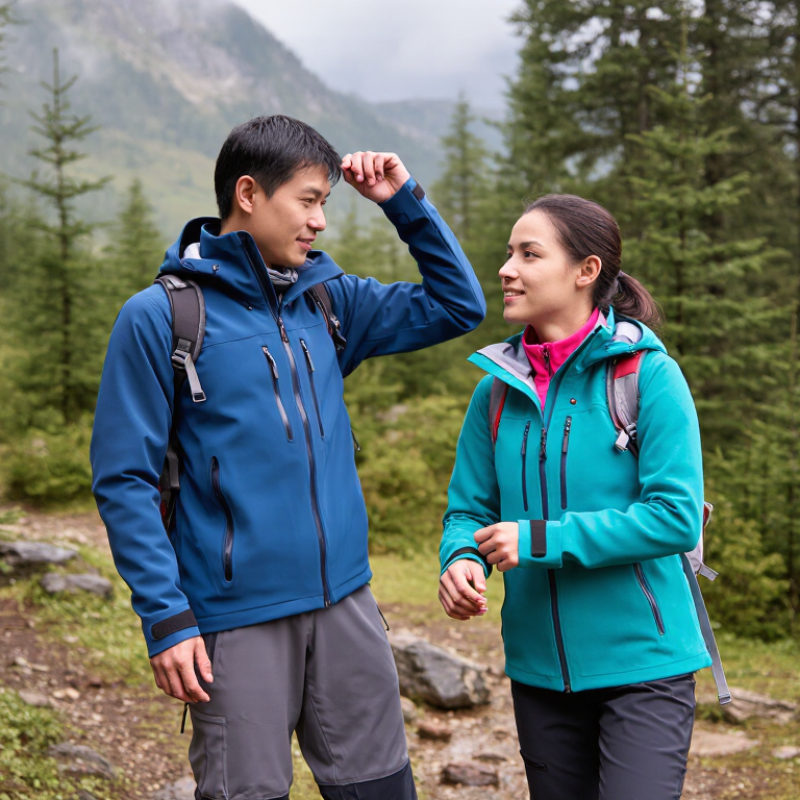
Start with the activity you actually do, not the adventure you imagine. A day hike on marked trails usually needs a lighter jacket than a bushwhack through wet brush. For cycling, check whether the cut allows you to reach the handlebars without the hem riding up. Climbers may need room for a harness and overhead movement. Small fit details matter.
Then consider the weather you typically face. Cool, dry mornings call for different insulation than steady rain, gusty ridges, or humid afternoons. A waterproof shell can help in prolonged rain, but it may feel clammy during hard exercise. Look for adjustable cuffs and a hood that stays put in wind. Check the forecast, but remember that exposed trails can feel colder than nearby streets. Weather shifts. I still find it easy to underestimate wind.
Tips: Write down your usual activity, temperature range, and chance of rain before shopping. Try the jacket with the layers you would wear outdoors. Bend, reach, and zip it fully. If you rarely hike in heavy rain, paying for features you will not use may not make sense.
| Outdoor Activity | Typical Conditions | Jacket Priorities | Useful Features | Layering Guidance |
|---|---|---|---|---|
| Day hiking | Changeable weather, occasional showers, wind, and variable exertion. Conditions depend on season, elevation, and location. | A lightweight, breathable rain shell that packs small and provides dependable wind and rain protection. | Adjustable hood, pit zips or other ventilation, secure pockets, and cuffs and hem that can be tightened. | Wear a moisture-wicking base layer. Add a light fleece or insulating layer when temperatures drop or during rest breaks. |
| Backpacking | Long days outdoors with changing temperatures and exposure to rain or wind; a pack can increase wear on jacket fabric. | A durable, packable waterproof shell with enough room for comfortable movement and layering. | Reinforced high-wear areas, a hood that adjusts over a hat, pockets positioned above a hip belt, and ventilation options. | Choose layers that work together without restricting movement. Keep a dry insulating layer protected in your pack. |
| Trail running | High exertion in cool, windy, or showery conditions; body heat can build quickly during hard efforts. | A very lightweight, breathable wind shell or rain shell matched to the forecast and exposure. | Low-bulk construction, good mobility, secure storage, and ventilation that helps manage sweat. | Start slightly cool rather than overdressed. Use a light base layer and adjust ventilation or layers as effort changes. |
| Cold-weather day hikes | Low temperatures, wind, and possible snow or freezing precipitation; conditions can vary with altitude and exposure. | A wind-resistant outer layer paired with insulation suited to the temperature and activity level. | Adjustable hood and cuffs, a hem that seals out drafts, and enough room for insulating layers. | Combine a moisture-wicking base layer, an insulating mid-layer, and an outer shell when wind or precipitation requires it. |
| Climbing and scrambling | Exposed, windy terrain and frequent reaching, bending, or contact with rock; precipitation may be possible. | A hard-wearing, weather-resistant jacket with unrestricted movement and a fit that works with a harness. | Articulated sleeves, a helmet-compatible hood, harness-accessible pockets, and durable fabric in high-contact areas. | Use flexible layers that do not bunch beneath a harness or limit overhead movement. Add insulation for belays or pauses. |
| Wet-weather walking | Frequent or prolonged rain, damp air, and potentially cool temperatures, often at a steady pace. | A waterproof, seam-sealed shell with a comfortable lining or enough room for a separate base layer. | A well-adjusted hood, storm-protected closures, water-resistant pocket design, and ventilation to reduce condensation. | Choose a quick-drying base layer and avoid excessive insulation during sustained walking to limit sweat buildup. |
| Selection tip: Match the jacket to the most demanding conditions you expect, while accounting for exertion, layering, pack weight, and local weather. Waterproof fabrics can still feel clammy during intense activity, so fit and ventilation matter. | ||||
Match it to what you actually do. A marked-trail hike may need less protection than walking through wet brush.
Reach toward the handlebars. Make sure the hem does not ride up.
Consider your usual temperature, rain, and wind. Exposed ridges can feel colder than nearby streets.
It can help in prolonged rain, but may feel clammy during strenuous activity. Adjustable cuffs and a secure hood are useful details.
Down packs small and provides strong warmth in dry conditions. Synthetic fill usually handles damp weather better and dries faster.
Try it over the layers you plan to wear. Sleeves and chest should not feel tight, but excess room can let cold air in.
Open the jacket or remove a midlayer before sweat builds. Add warmth during rest stops. I sometimes wait too long.
Treat them as rough guides. Wind, moisture, effort, and personal comfort all matter. Test your setup nearby.
Choosing the right Outdoor Adventure Jacket starts with understanding where and how you plan to use it. Consider your usual activities, the intensity of your movement, and the weather you are likely to encounter. A jacket suited to cool, dry hikes may not offer enough protection for prolonged rain or strong winds. Compare shell fabrics, waterproofing, and breathability so you can stay protected without becoming uncomfortably damp from perspiration.
Next, match insulation and layering options to your typical temperature range, and look for a fit that allows easy movement over the layers you wear. Practical details such as accessible pockets, adjustable cuffs, and a comfortable hood can make a real difference outdoors. Finally, consider how durable the jacket needs to be and how much care it requires. Balancing performance, maintenance, and budget will help you choose a dependable option for your adventures.