Choosing the best Outdoor Softshell Jacket in 2026 requires more than comparing attractive product photos. Real performance appears on exposed ridgelines, damp forest paths, and windy chairlift queues.
An experienced hiker notices small details quickly. Does the fabric block sharp wind without trapping sweat? Can the shoulders move freely while climbing? Does the hood turn with your head? These questions matter more than a fashionable logo. A reliable softshell should balance breathability, stretch, weather resistance, durability, and comfort for its intended activity. A jacket for fast hiking may feel too thin for alpine belays. A heavily insulated model may become unpleasant during steep ascents.
Yvon Chouinard, Patagonia founder and respected climber, once said, “The more you know, the less you need.” His words offer a useful test. Understand your climate, pace, layering habits, and typical exposure before buying another technical layer. Check the fabric composition, seam construction, cuff adjustment, hem coverage, and pocket placement. Try it over the base and mid-layers you already wear.
No jacket wins everywhere. That is easy to forget.
This guide compares practical features rather than promising perfection. It also recognizes an uncomfortable truth: premium pricing does not guarantee the best fit or longest service. A carefully chosen mid-range Outdoor Softshell Jacket may outperform an expensive alternative when its cut, ventilation, and protection match your routine. The strongest choice is the one you will wear often, maintain properly, and trust when weather changes faster than expected.
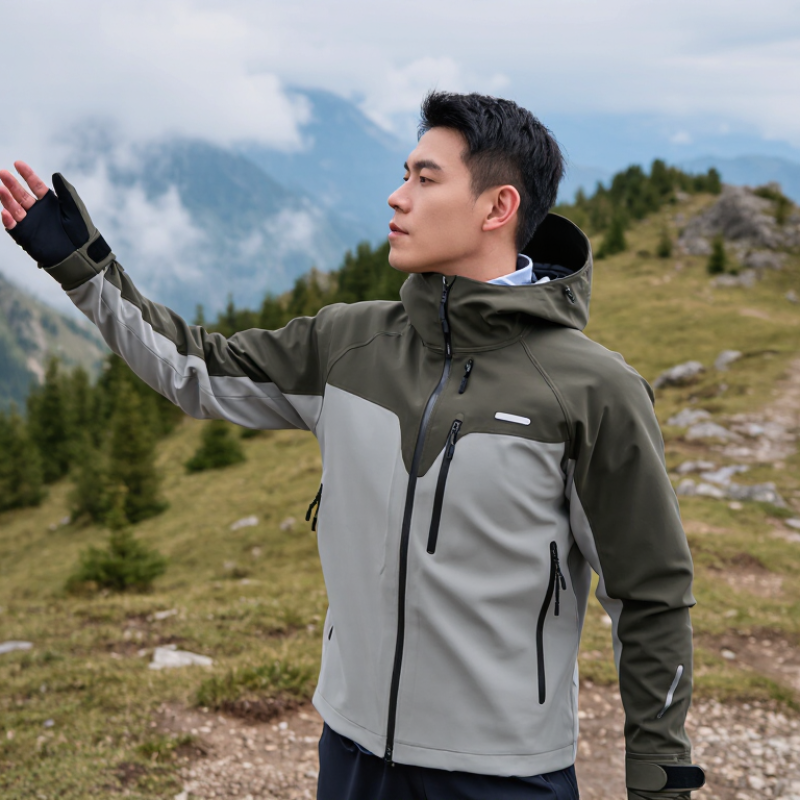
How to Choose the Best Outdoor Softshell Jacket in 2026?
Your activity should decide the jacket, not the product label. The Outdoor Industry Association’s 2024 report recorded 175.8 million U.S. outdoor participants in 2023. That wide audience includes trail runners, hikers, climbers, and casual walkers. Each group creates different clothing demands.
For fast hiking, choose a lighter softshell with strong breathability and stretch. You will produce heat quickly on uphill sections. For climbing, prioritize articulated sleeves, abrasion resistance, and a hem that stays under a harness. A winter walker may need thicker insulation and a higher collar. Check the jacket’s stated water resistance, but do not treat it as waterproof protection. Softshell fabric can handle drizzle and snow flurries. It may struggle during hours of heavy rain.
Wind matters too. National Weather Service wind-chill tables show that moving air can make cold conditions feel significantly harsher. Test the cuffs, hood, and zipper with gloves. Small gaps become uncomfortable on exposed ridges.
I once chose a warm jacket for a demanding hike. It felt excellent at the trailhead, then overheated after thirty minutes. That mistake still influences my choices. Fit matters as much as fabric. Leave space for a thin base layer, but avoid loose fabric that catches wind. The perfect jacket does not exist. Your real route, pace, weather, and tolerance for compromise should guide the decision.
| Outdoor Activity | Typical Conditions | Priority Features | Recommended Fabric Performance | Useful Design Details | When a Softshell May Not Be Enough |
|---|---|---|---|---|---|
| Hiking and Day Walks | Cool, windy conditions with light rain or occasional showers | Balanced wind resistance, breathability, comfort, and moderate weather protection | Wind-resistant woven face, breathable membrane or tightly woven fabric, and a durable water-repellent outer finish |
Adjustable hood, secure hand pockets, adjustable cuffs, hem drawcord, and two-way front ventilation | Use a waterproof shell over it during prolonged or heavy rain |
| Fast Hiking and Trail Walking | High activity levels, changing temperatures, and sustained uphill movement | Breathability, stretch, low weight, and freedom of movement | Four-way stretch fabric or a flexible woven construction with effective moisture vapor release |
Lightweight construction, articulated sleeves, stretch panels, ventilation openings, and low-bulk pockets | Choose a separate waterproof layer for exposed routes with continuous rain |
| Rock Climbing and Bouldering | Cool rock faces, abrasion from contact with stone, and frequent arm movement | Mobility, abrasion resistance, breathability, and secure storage | Durable stretch-woven fabric with reinforced high-wear areas |
Helmet-compatible hood, high collar, climbing-harness-compatible pockets, longer back hem, and articulated elbows | A softshell is not designed to replace a specialized waterproof belay or storm jacket |
| Alpine Trekking | Strong winds, rapid weather changes, low temperatures, and possible snow | Wind protection, layering capacity, weather resistance, and hood adjustability | Wind-resistant outer fabric with a durable water-repellent finish and enough room for insulating layers |
Helmet-compatible hood, high collar, adjustable hem, storm flap, robust zipper, and large pockets | Carry a fully waterproof and windproof shell for severe precipitation and exposed terrain |
| Winter Hiking | Cold, dry weather with wind, light snow, and intermittent activity | Warmth-to-weight ratio, wind resistance, layering flexibility, and moisture management | Choose a fleece-backed softshell for additional warmth, or an unlined version over a thermal layer |
Adjustable hood, fleece-lined pockets, internal storm flap, wrist closures, and hem adjustment | For wet snow, freezing rain, or extended storms, add a waterproof outer shell |
| Ski Touring and Snowshoeing | Cold conditions, active climbs, wind exposure, and dry or light snow | Breathability during ascents, wind protection on descents, stretch, and layering compatibility | Stretch-woven fabric with a wind-resistant face; avoid excessive insulation if used during high-output climbs |
Helmet-compatible hood, ski-pass-compatible pocket, pack-compatible pocket placement, powder-skirt compatibility, and adjustable cuffs | Use a waterproof shell in wet snow, heavy snowfall, or severe wind-driven precipitation |
| Mountain Biking | Cool temperatures, wind, light showers, and high-output movement | Stretch, breathability, low bulk, and resistance to light abrasion | Light stretch-woven fabric with wind resistance and a water-repellent finish |
Drop tail, cycling-friendly sleeve articulation, low-profile hood or no hood, ventilation openings, and secure zip pockets | For continuous rain or muddy conditions, carry a dedicated waterproof cycling shell |
| Commuting and Everyday Outdoor Use | Variable urban weather, light rain, wind, and frequent transitions between indoors and outdoors | Versatility, comfort, easy care, pocket organization, and a clean fit | Comfortable stretch fabric with wind resistance and a durable water-repellent treatment |
Packable design, adjustable hood, reflective details, interior pocket, two-way zipper, and machine-washable construction | Use an insulated or fully waterproof coat when temperatures are very low or rain is prolonged |
| Trail Running | High aerobic output, rapid temperature changes, wind, and occasional showers | Minimal weight, maximum breathability, stretch, and unrestricted movement | Lightweight stretch fabric with wind resistance; avoid heavy fleece lining during intense activity |
Low-profile hood, elastic cuffs, bonded seams, reflective details, and a compact packable construction | For mandatory storm protection, select a waterproof running shell that meets the event requirements |
| Travel and Layering | Cool aircraft cabins, windy destinations, light rain, and changing daily activities | Packability, wrinkle resistance, comfort, and adaptability | Light to midweight stretch-woven fabric with a water-repellent finish |
Multiple secure pockets, adjustable hem, removable or stowable hood, and compatibility with base layers and fleece | Pack a dedicated rain shell if the destination has a consistently wet climate |
Choose a lightweight jacket with strong breathability and stretch. You will heat up quickly on steep climbs. A heavy jacket may feel comfortable at first, then become clammy. I have made that mistake before.
Usually, no. It can handle drizzle, light rain, and brief snow flurries. Heavy rain may pass through after several hours. Carry a waterproof shell when prolonged rain is likely.
Look for articulated sleeves and abrasion-resistant fabric. The hem should stay beneath your harness. Check that pockets remain reachable while wearing it. Tiny details matter on a rock face.
Inspect the cuffs, hood, hem, and zipper. These areas can allow cold air inside. Test them while wearing gloves. Small gaps feel worse on exposed ridges.
Thicker insulation helps during slow walks and rest stops. A high collar can protect your neck from moving air. However, thick insulation may overheat during uphill sections. Warm is not always comfortable.
It is crucial during steep climbs and fast walks. Look for stretch panels or ventilation zones. Underarm zippers can release heat, but they add weight. Test the jacket with a loaded backpack.
Leave room for a thin base layer. Avoid loose fabric that catches wind. Your sleeves should move freely without riding up. A close fit reduces drafts, but perfection is unlikely.
Try the pockets, zippers, cuffs, hood, and sleeve movement. Wear gloves and carry your usual backpack. Indoor comfort can hide problems after twenty minutes uphill. Real use teaches more than labels.
Choosing the best Outdoor Softshell Jacket in 2026 starts with understanding how and where you plan to use it. Consider whether you need protection for hiking, commuting, climbing, travel, or changing mountain conditions. Compare water and wind resistance with breathability, and decide how much insulation is appropriate for your climate and activity level. A lightweight shell may suit high-output adventures, while a warmer design can provide greater comfort during colder, slower-paced trips.
Fabric quality, stretch, and durability also deserve close attention. Look for materials that allow unrestricted movement while resisting abrasion and everyday wear. A well-designed fit should leave enough room for base layers without feeling bulky, and practical features such as adjustable cuffs, a protective hood, secure pockets, and ventilation can improve performance. Finally, review the jacket’s sustainability, washing instructions, repairability, and long-term value. The right choice balances comfort, function, durability, and responsible care rather than focusing on a single feature.