An Outdoor Hooded Jacket is designed to protect the wearer during changing outdoor conditions. It usually combines a weather-resistant outer fabric with a hood, practical pockets, and adjustable closures. Depending on its construction, it may block wind, shed light rain, or provide insulation in cold weather. It is not automatically waterproof or suitable for every climate.
That distinction matters. During hiking, commuting, or weekend travel, a hood can reduce exposure to sudden showers and sharp wind. A well-designed jacket may include sealed seams, breathable panels, adjustable cuffs, and a drawcord around the hood. These details affect comfort more than appearance alone. From practical use, breathability often becomes important after several minutes of walking uphill. A jacket that feels warm in a shop may become uncomfortable during active movement.
Materials and construction provide useful clues. Nylon and polyester are common because they balance durability, weight, and drying speed. Insulated versions may use down or synthetic fill, while shell jackets usually focus on weather protection. Product claims should still be checked carefully. Terms such as “water-resistant” and “waterproof” describe different performance levels. Fit still matters.
This guide explains what an Outdoor Hooded Jacket is, how its features work, and where it performs best. It also considers limitations, maintenance, and practical selection advice. No jacket replaces sound judgment about forecasts, terrain, or exposure time. Even experienced users can choose poorly when they focus only on style or brand reputation. The right choice depends on activity, climate, layering needs, and personal comfort.
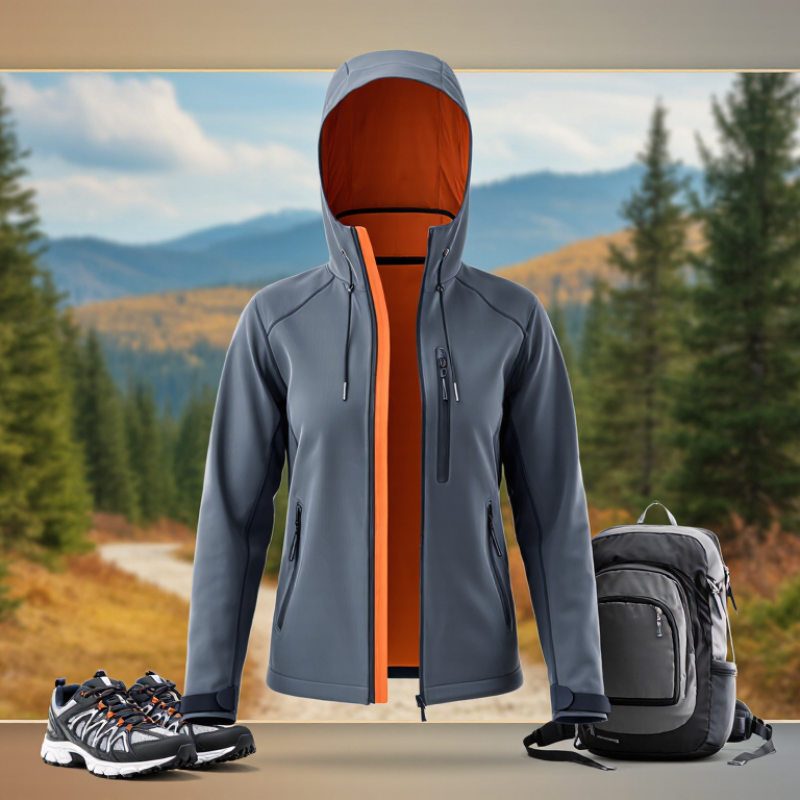
An outdoor hooded jacket is a protective layer designed for changing conditions outside. It usually combines a weather-resistant shell, an attached hood, secure closures, and practical pockets. Its core purpose is simple: reduce exposure to wind, rain, cold air, and light debris while allowing movement. Unlike a casual jacket, it is shaped around outdoor activity. A good design balances protection, breathability, weight, and durability.
In field use, the hood matters more than it first appears. It can cover the head, neck, and part of the face when rain moves sideways. Adjustable cords help keep it stable during walking or climbing. A higher collar can limit drafts. However, a hood that blocks peripheral vision creates a safety problem. Fit should support a helmet, hat, or warm layer when needed. Sleeves should leave room for reaching, bending, and handling equipment.
Materials strongly influence performance. A tightly woven outer fabric can resist abrasion from branches and rock. A waterproof membrane may block rain, but breathability depends on activity level and ventilation. Zippers, seams, cuffs, and storm flaps deserve careful inspection. These small details often fail before the main fabric. I have found that comfort changes quickly during uphill movement. The jacket may protect well, yet feel clammy inside. That trade-off deserves honest attention when forecasts change faster than expected.
An outdoor hooded jacket is designed to manage changing weather without restricting movement. Its hood is more than a fabric cover. A shaped brim helps redirect rain from the eyes, while adjustable cords improve stability in strong wind. A high collar protects the neck when the zipper is fully closed. Some hoods also allow limited peripheral vision, which matters on uneven trails.
Water resistance usually depends on several design details working together. A tightly woven outer fabric can shed light rain, but it may not stop prolonged downpours. Waterproof membranes help block moisture while allowing some vapor to escape. Sealed seams are essential because needle holes can become weak entry points. A water-resistant zipper adds another barrier. It is easy to overlook the cuffs and hem. Adjustable cuffs reduce drafts, and a drawcord hem helps keep cold air outside.
Protection also includes comfort and durability. Underarm vents can release heat during steep climbs, while mesh-lined pockets prevent damp fabric from touching the skin. Reinforced shoulders may resist abrasion from backpack straps. In practical use, however, breathability is never perfect. A jacket can feel clammy during intense activity, even when rain stays out. I have found that a lighter shell often performs better than a heavily insulated one during active movement. Weather changes quickly, so fit, layering space, and simple adjustments deserve careful attention.
An outdoor hooded jacket combines insulation, weather protection, and adjustable coverage. Its performance depends heavily on fabric construction. Common shell materials include polyester, nylon, recycled fibers, and laminated composites. Polyester resists abrasion and dries quickly. Nylon often feels lighter and stronger, but prolonged sunlight can weaken it.
Textile Exchange’s 2024 Materials Market Report estimates global fiber production reached 124 million tonnes in 2023. Polyester represented more than half of that volume. This scale explains its popularity, though production impacts remain a concern. Recycled fibers can reduce dependence on new raw materials, but they are not automatically low-impact. The full supply chain matters.
A durable water-repellent finish helps rain bead on the surface. It can wear away through washing, friction, and dirty conditions. A polyurethane coating or breathable membrane blocks liquid water while allowing some vapor to escape. Seam taping closes needle holes, often the jacket’s weakest points.
Hydrostatic resistance is commonly tested under ISO 811, using water pressure measured in millimeters. Higher numbers generally indicate stronger resistance, but laboratory results are not real-world guarantees.
Wind, movement, poor maintenance, and a badly adjusted hood can reduce protection. That matters outdoors. A jacket may perform well in steady rain yet struggle during heavy storms. I have found that simple features, such as a two-way hood adjustment and covered zipper, can matter more than impressive fabric claims.
What Is an Outdoor Hooded Jacket?
An outdoor hooded jacket combines weather protection with practical movement. Its hood shields the head, neck, and sometimes the face from wind or rain. Materials vary widely, so the activity should guide your choice. A lightweight shell suits changing weather, while an insulated jacket handles cold, dry conditions. Look for adjustable cuffs, sealed seams, and breathable fabric when you expect steady movement.
Types of Outdoor Hooded Jackets for Different Activities
For hiking, choose a waterproof-breathable shell with a helmet-compatible hood and ventilation zippers. It should pack into a small space during warm climbs. A softshell jacket works well for trekking, climbing, and cycling because it stretches and blocks light wind. However, it may fail during heavy rain.
For camping in cold weather, an insulated hooded jacket provides warmth around the chest and shoulders. Down insulation is light and compressible, while synthetic insulation performs better after dampness. For running, select a thin windproof layer with reflective details and a close-fitting hood. Skiing and snowboarding require more coverage, powder protection, and room for layers.
I once chose warmth over breathability and regretted it on a steep trail. Sweat soaked my base layer within an hour. That mistake changed how I assess jackets. Check the forecast, activity intensity, and storage space before buying. A comfortable hood should turn with your head, not block your vision. Small details matter.
Comparison of common outdoor hooded jacket types using practical performance ratings from 1 (low) to 5 (high).
Lightweight windbreakers prioritize breathability and packability, while hard-shell jackets provide stronger waterproof and wind protection. Insulated parkas offer the highest warmth, and softshell jackets balance mobility, breathability, and weather resistance for active use.
What Is an Outdoor Hooded Jacket?
An outdoor hooded jacket protects you from wind, rain, and changing temperatures. Choose one according to your usual activities, not its appearance alone. For steady rain, look for waterproof fabric, sealed seams, and a secure front closure. Water-resistant material may suit light showers, but it can fail during a long, wet hike. Breathability also matters. A jacket that traps sweat can leave your base layer cold and damp.
Check the hood carefully. It should cover your head without blocking your side vision. Adjustable cuffs and a hem help prevent wind from entering. When wearing the jacket, leave enough room for a warm mid-layer. Avoid tight sleeves. They restrict movement and may reduce insulation. During activity, open the front zipper briefly when you feel moisture building inside. I once ignored this on a cool trail and ended up colder after stopping.
Maintenance keeps the fabric reliable. Read the care label before washing, and close all zippers and fasteners. Use a mild outdoor cleaner instead of ordinary detergent when recommended. Do not use fabric softener, because it may reduce performance. Air-dry the jacket fully, then inspect the seams, hood, and cuffs. If water stops forming small beads, the outer finish may need renewal. This process is not permanent. I sometimes expect a jacket to last without care, but that is an easy mistake. Store it clean, dry, and loosely hung.
It helps reduce exposure to wind, rain, cold air, and light debris. It also supports movement during outdoor activities. Protection is not absolute.
A shaped hood can shield the head, neck, and part of the face. Adjustable cords help it stay secure in strong wind. Poorly fitted hoods may block side vision.
Sealed seams, covered zippers, adjustable cuffs, and a drawcord hem reduce water entry. A water-resistant outer finish also helps. Heavy rain can still overcome it.
Polyester, nylon, recycled fibers, and laminated fabrics are common choices. Polyester dries quickly and resists abrasion. Nylon often feels lighter but may weaken under prolonged sunlight.
Breathability allows some body vapor to escape through the fabric. It can reduce internal dampness during movement. It is never perfect.
Yes. Intense climbing or fast walking can create more heat than the fabric releases. The inside may feel clammy, even when rain stays outside.
It should leave room for a shirt, warm layer, or helmet when necessary. Sleeves need space for reaching and bending. An oversized fit may reduce efficiency.
Check zippers, seams, cuffs, pockets, hood adjustments, and hem cords. These parts often fail before the main fabric. Tiny faults matter outdoors.
No. Laboratory measurements do not perfectly represent wind, movement, washing, or poor maintenance. A strong rating helps, but design and adjustment still matter.
Use lighter layers during active movement and adjust vents, cuffs, hood, and hem. Inspect the finish after washing. I sometimes expect too much from one jacket.
An Outdoor Hooded Jacket is a versatile layer designed to protect the upper body and head during outdoor activities. Its core purpose is to help users stay comfortable in changing conditions by combining warmth, weather protection, and freedom of movement. Common design features include an adjustable hood, secure pockets, full-length zippers, cuffs, and ventilation openings. These details can help block wind, rain, light snow, and cold air while supporting practical use during hiking, camping, travel, commuting, or everyday outdoor work.
Outdoor Hooded Jackets may be made from materials such as synthetic fibers, fleece, insulated fabrics, or lightweight waterproof textiles. Water-resistant coatings, breathable membranes, sealed seams, and quick-drying treatments can improve performance in different environments. Depending on the activity, users may choose a lightweight shell, an insulated winter jacket, a softshell, or a rain-focused design. The best choice should match the climate, activity level, and layering needs. Proper wearing, regular cleaning, careful drying, and following care instructions can help preserve the jacket’s comfort and protective qualities.