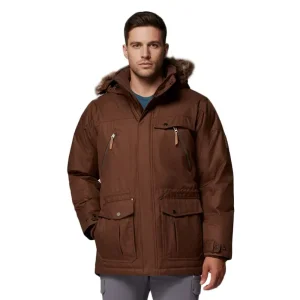
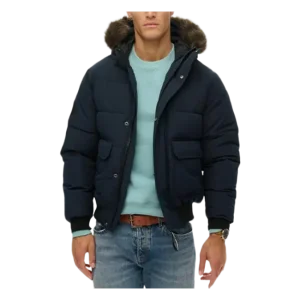
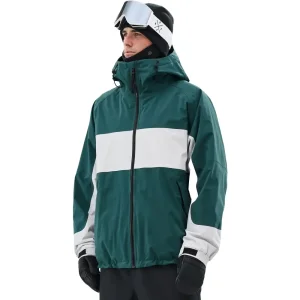
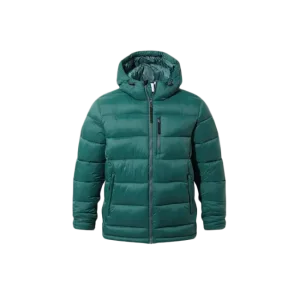
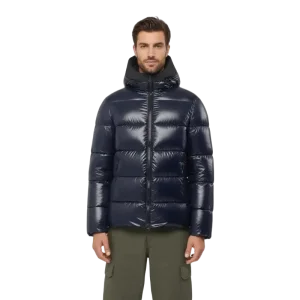
Explore our primary CE-compliant and high-altitude technical apparel portfolio, engineered for thermal efficiency, zero-seam leakage, and extreme weather resilience.
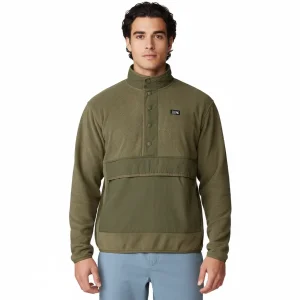
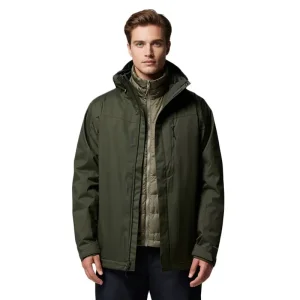
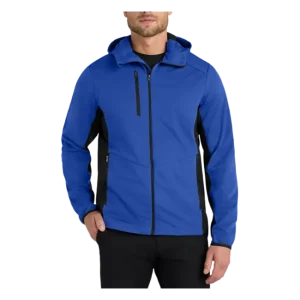
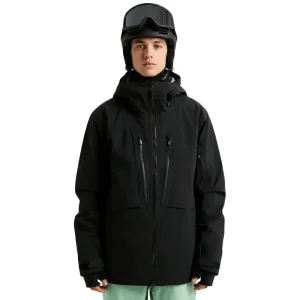
The global technical alpine sportswear and professional men's ski suit market is undergoing an unprecedented structural evolution. Driven by changing sub-zero climatic extremes, expanding winter sports infrastructure across Europe, North America, and East Asia, and stringent consumer demands for multi-norm weatherproofing, technical outerwear has migrated from traditional leisure fashion to precision PPE-grade apparel engineering.
The global ski apparel sector is projected to cross USD 3.8 Billion by 2030, registering a CAGR of 6.8%. Demand is concentrated heavily in high-performance Men's 3-Layer (3L) shell systems, insulated ergonomic one-piece suits, and modular freeride outerwear optimized for extreme back-country environments.
Global apparel compliance laws—such as EU REACH Annex XVII amendments and US State-level PFAS bans (e.g., California AB 1817)—have forced a complete overhaul in textile chemistry. Leading manufacturers must now engineer fluorine-free DWR (Durable Water Repellent) coatings without compromising hydrostatic pressure resistance.
Modern commercial alpine operators, professional ski schools, and rescue patrols mandate CE certification under Personal Protective Equipment (PPE) guidelines. Ski suits must deliver audited thermal insulation retention (EN 342/EN 14058) alongside certified water penetration resistance (EN 343).
Obtaining genuine CE certification for men's alpine ski garments requires rigorous conformity testing under the European Personal Protective Equipment Regulation (EU) 2016/425 (Category II). As a specialized OEM/ODM manufacturer, Guangdong Ruiniu Garment Manufacturing Co., Ltd. incorporates standard operating procedures aligned with accredited EU Notified Bodies (such as SGS, Intertek, and TÜV Rheinland).
| Standard Code | Technical Scope & Application | Testing Methodology & Threshold Requirements | Manufacturing Engineering Solution |
|---|---|---|---|
| EN 343:2019 | Protection Against Rain & Foul Weather | Water Penetration Resistance (Class 1-4) & Water Vapour Resistance (RET Class 1-4). Requires >13,000 Pa pre & post-wash testing. | 3-Ply ePTFE/PU bio-based microporous membrane with 13mm/22mm hot-air welded poly-tape on all critical stress seams. |
| EN 342:2017 | Protective Clothing Ensembles Against Cold (< -5°C) | Thermal insulation value (Icler in m²K/W), Air Permeability (Class 1-3), and Water Penetration Resistance. | Body-mapped RDS-certified 800 FP down or micro-denier synthetic hollow-fiber insulation with thermal-reflective interior linings. |
| EN 14058:2017 | Garments for Protection in Cool Environments (-5°C to +10°C) | Measures localized thermal resistance (Rct), air permeability (AP), and resistance to water penetration. | Modular 3-in-1 inner softshell integration with zip-in boundary interfaces and low-bulk stretch fleece side panels. |
| ISO 13688:2013 | General Requirements for Ergonomics & Materials | Innocuousness (pH value, Azo dyes, Chromium VI), dimensional stability to washing, and ergonomic sizing grading. | OEKO-TEX® Standard 100 Class I certified face fabrics, thread, zippers, and trims verified free of toxic substances. |
| RECCO® Search System | Avalanche & Wilderness Rescue Integration | Transponder signal bounce reflection consistency, pocket housing durability, and zero interference with metallic trims. | Laser-cut non-magnetic pocket placement on right sleeve/pant leg welded with TPU film protection. |
Traditional C8/C6 fluorocarbon water-repellent treatments persist endlessly in alpine ecosystems. Ruiniu engineers utilize advanced C0 organosilicon and hyper-branched polymer architectures. These green DWR formulations withstand over 30 ISO 6330 industrial wash cycles while maintaining an AATCC 22 spray rating of 90+.
For every B2B order destined for EU distribution, we compile complete Technical Construction Files (TCF). This includes raw material batch traceability certificates, seam hydrostatic pressure test records, factory inspection protocols (AQL 1.0/2.5), and signed DoC templates for effortless customs clearance.
A professional men's ski suit must operate as a dynamic microclimate shield. It must exhaust metabolic humidity during aggressive downhill runs while sealing out driving snow, gale-force winds, and freezing moisture.
Engineered using 70D to 150D recycled Cordura® or Nylon 6,6 face fabrics. Laminated directly to a solid microporous membrane and backed by a 20D tricot circular knit. Delivers extreme abrasion resistance against ski edges, rock faces, and tree branches.
Utilizes billions of microscopic pores per square centimeter—each 20,000 times smaller than a water droplet, yet 700 times larger than a water vapor molecule. Ensures continuous breathability under high athletic activity (MVTR > 20,000 g/m²/24h).
Needle punctures weaken waterproof integrity. Ruiniu deploys ultrasonic fabric bonding paired with automated hot-air seam sealing machines. Micro-taping at 13mm width reduces garment stiffness while preventing capillary water ingress at high-stress seams.
Headquartered in Nanhai District, Foshan, Guangdong Ruiniu Garment Manufacturing Co., Ltd. operates a 6-line automated technical garment facility spanning over 23 years of specialized OEM/ODM outerwear engineering. Our operations achieve high precision and repeatable quality across 600,000 annual production units.
Utilizing Gerber® CAD pattern grading and automated static-bed laser cutting systems. Achieves over 88% fabric utilization markers while guaranteeing zero edge-fraying on complex technical laminates.
Computerized non-contact down weighing and vacuum blow-filling stations. Maintains precise ±0.2g fill accuracy per chamber, eliminating cold spots and preventing down migration through stitch holes.
In-house hydrostatic head testing (ISO 811) up to 30,000mm H₂O pressure. Random batch samples undergo 4-hour continuous overhead rain tower simulation before final packing authorization.
To guarantee zero defect shipments for international brand partners, our quality control procedures follow strict MIL-STD-105E guidelines:
100% fabric roll inspection for shading variations (Delta-E < 0.8), hydrostatic retention, tensile strength, and DWR batch consistency.
Real-time inspection of seam tape melt temperatures, stitch density (12-14 SPI), seam slippage, and laser zip alignment on live production lines.
Every individual garment is checked for zipper smooth-cycling, magnet strength, reflective trim alignment, thread trim, and barcode scan accuracy.
Different geographical ski markets present unique environmental hazards, regulatory demands, and fit preferences. Ruiniu provides tailored ODM design profiles and localized structural modifications for key international destination markets.
Environment: High altitude, extreme UV radiation, severe wind chills (-25°C), and steep off-piste terrain.
Engineering Focus: Slim athletic European fitting, 3L high-breathability membrane (RET < 4.5), full RECCO® reflector integration, and bluesign® sustainable certified fabrics.
Environment: Heavy deep-powder snowfall (Rockies/Pacific NW), rugged tree skiing, and long backcountry ascents.
Engineering Focus: Relaxed freeride sizing blocks, ultra-durable 150D Cordura® face fabrics, deep storm hoods, dynamic zip-to-pant powder bib interfaces, and oversized glove-friendly pull tabs.
Environment: Sub-zero dry icy conditions (Hokkaido/Northern China), heavy resort skiing, and night skiing operations.
Engineering Focus: High-density synthetic insulation (120g body / 80g arms), fleece-lined handwarmer pockets, bright color-blocked high visibility, and integrated lift-pass smart wrist pockets.
Guangdong Ruiniu Garment Manufacturing Co., Ltd. continuously invests in next-generation textile technology, smart garment manufacturing, and circular economy initiatives to keep our OEM partners ahead of global market shifts.
Integration of flexible ultra-thin graphene heating elements powered by low-voltage USB power banks. Smart app-controlled 3-zone temperature regulation embedded invisibly into interior back linings without adding bulk or impairing machine washability.
Developing 100% mono-material polyester ski suits (face fabric, membrane, insulation lining, zippers, and sewing threads all manufactured from rPET). Enables 100% garment-to-garment chemical recycling at the end of product life cycles.
By utilizing 3D CLO software, our pattern technicians render photorealistic digital fit samples on custom avatars. Reduces physical sample development rounds from 21 days down to 5 days, saving prototyping costs and accelerating seasonal time-to-market.
Replacing conventional petroleum-based polyurethane with plant-derived bio-based TPE membranes derived from non-food agricultural waste. Reduces carbon footprint by 40% while maintaining 20,000mm waterproofing and 15,000g/m²/24h breathability.
Key insights for apparel procurement officers, brand managers, and sourcing agents evaluating CE-certified men's ski suit manufacturing partners.
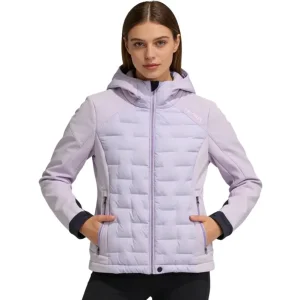
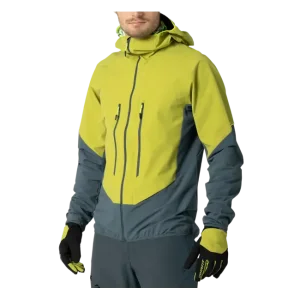
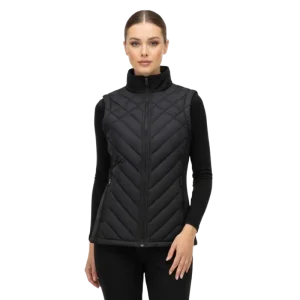
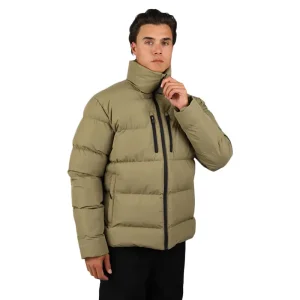
Discover our specialized lines including high-loft puffer jackets, tactical camo outerwear, mid-layer softshells, and custom insulated workwear.
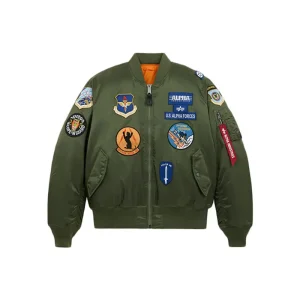
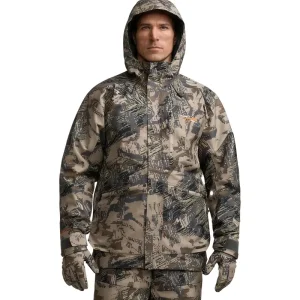
Whether expanding a professional alpine ski collection, seeking certified CE EN 343 / EN 342 manufacturing compliance, or launching a high-performance men's outerwear line, our technical engineering team provides end-to-end support from tech pack to global shipping.