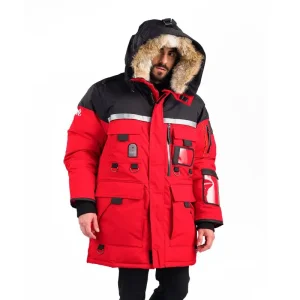
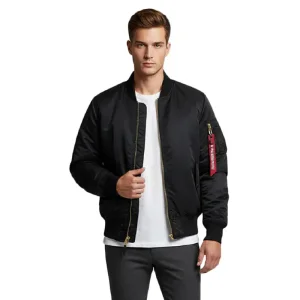
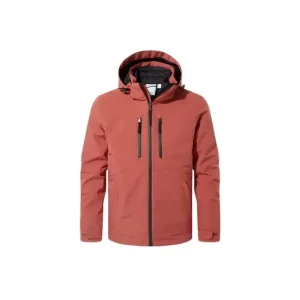
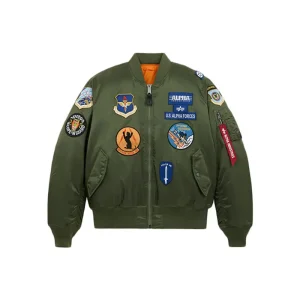
Precision-crafted technical jackets built with certified waterproof membranes, ergonomic articulation, and industrial durability for global distributors.
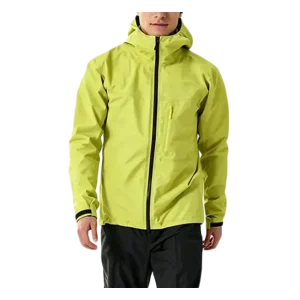
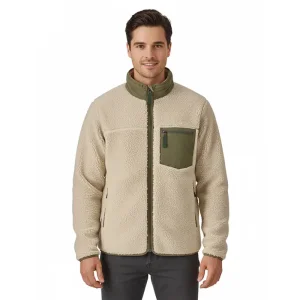
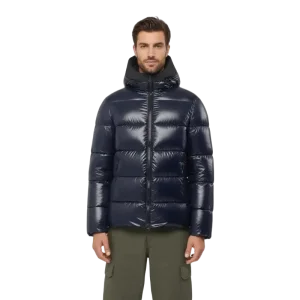
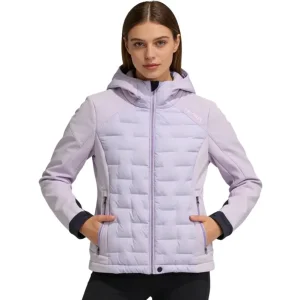
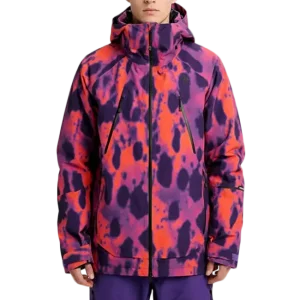
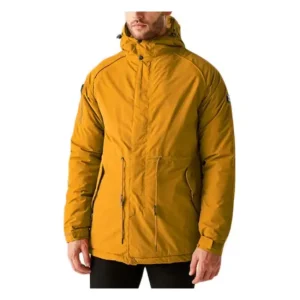
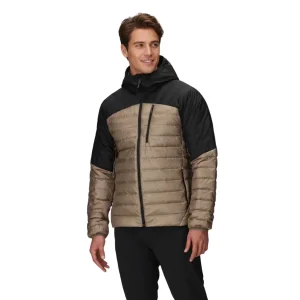
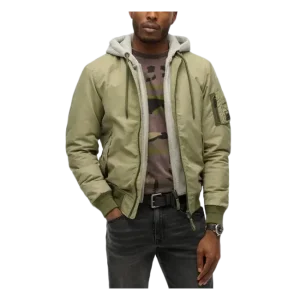
Analyzing the shift from casual outdoors gear to certified Personal Protective Equipment (PPE) under European Union Regulation (EU) 2016/425.
In the modern technical apparel market, a mountaineering shell jacket is no longer treated merely as consumer sportswear; it operates as a critical line of defense in volatile high-altitude microclimates. Global distributors, professional mountaineering outfits, and industrial workwear brands are facing unprecedented demand for verified safety standard compliance. Central to this evolution is the CE Certification mark (Conformité Européenne), which serves as mandatory legal proof that protective outerwear meets stringent health, safety, and environmental protection standards across the European Economic Area (EEA).
Under EU Regulation 2016/425, technical alpine shells intended for professional search and rescue (SAR), alpine guide operations, or industrial extreme-weather environments are classified as Category II or Category III Personal Protective Equipment (PPE). This certification requires technical shell exporters to undergo comprehensive Notified Body audits, proving that membrane performance, tensile strength, seam integrity, and ergonomic articulation survive prolonged exposure to sub-zero temperatures, intense ultraviolet radiation, and gale-force precipitation.
Strict alignment with Personal Protective Equipment directives ensuring compliance for high-altitude technical rescue, mountain guides, and industrial alpine personnel.
Achieving the highest standard for protection against rain, measuring hydrostatic head pressure resistance (≥20,000mm) and lowest water vapor resistance (RET < 6).
Navigating customs, Reach compliance, PFAS-free regulatory shifts, and tariff structures to deliver fully documented compliance packages for European and North American importers.
Deconstructing hydrostatic head thresholds, moisture vapor transmission rates (MVTR), and seam tape vulcanization engineering.
A high-performance mountaineering hard shell relies on a sophisticated 3-Layer (3L) composite structure where an outer face fabric, a microporous or hydrophilic membrane, and a lightweight protective tricot backing are bonded into a singular, durable laminate. As an authoritative OEM/ODM factory, our technical manufacturing roadmap integrates state-of-the-art lamination machinery engineered to prevent delamination under continuous dynamic flexing at extreme cold temperatures (-40°C).
| Performance Parameter | Testing Protocol Standard | Commercial Grade Threshold | CE Industrial Grade (Ruiniu Spec) |
|---|---|---|---|
| Hydrostatic Head (Waterproofness) | ISO 811 / JIS L 1092 A | 10,000 mm H₂O | ≥ 20,000 mm – 28,000 mm H₂O |
| Moisture Vapor Transmission (MVTR) | JIS L 1099 B1 (Inverted Cup) | 10,000 g/m²/24h | ≥ 25,000 g/m²/24h |
| Breathability Resistance (RET) | ISO 11092 (Sweating Hot Plate) | RET < 13 | RET < 4.5 (Extremely Breathable) |
| Seam Tape Hydrostatic Resistance | ISO 811 (Post 20 Wash Cycles) | 12,000 mm H₂O | ≥ 18,000 mm H₂O Tape Peel Strength ≥ 15 N/25mm |
| Tear & Abrasion Resistance | ISO 13937-2 / ISO 12947-2 | 15,000 Martindale Rubs | ≥ 50,000 Rubs (Cordura® Reinforcements) |
Our research and production lines utilize three distinct membrane technologies depending on the end-user's environmental profile:
Combining 23+ years of technical outer garment production with an ultra-integrated regional supply chain in Foshan and Greater Guangdong.
The global production of technical mountaineering jackets demands an ecosystem capable of sourcing specialized high-tenacity yarns, waterproof YKK AquaGuard® zippers, Cohaesive® cord-lock hardware, and certified seam-taping films within hyper-compressed timelines. Located in Nanhai District, Foshan, Guangdong Ruiniu Garment Manufacturing Co., Ltd. sits at the heart of the world's most advanced technical textile manufacturing cluster.
Virtual sample simulation reduces material waste and prototype turnaround time by 60%, allowing precise fit adjustments before physical fabric cutting.
Computerized nesting algorithms push fabric utilization efficiency above 88%, reducing waste on costly 3-layer technical laminates.
Advanced hot-air seam sealing machines apply 13mm to 22mm polyurethane tape under calibrated heat and pneumatic pressure, eliminating micro-needle hole leaks.
Tailoring technical shell jacket engineering to withstand distinct real-world operational challenges.
Environment: 4,000m+ elevation, sub-zero wind chill, abrasive granite walls.
Engineering Features: Helmet-compatible 3-way adjustable storm hood with wired visor, harness-accessible hand pockets, Cordura® reinforced elbows/shoulders, and dual pit-zip thermal ventilation.
Environment: Rainstorms, mudslides, low-visibility blizzard operations.
Engineering Features: High-visibility retro-reflective tape integration (EN ISO 20471 compliance), RECCO® avalanche rescue reflectors embedded in sleeves, and radio/GPS chest pockets.
Environment: Deep powder snow, rapid aerobic climbs, fluctuating temperatures.
Engineering Features: Detachable stretch powder skirt with jacket-to-pant attachment loops, elasticated thumb-loop wrist gaiters, and interior mesh goggle stash pockets.
Pioneering eco-compliant membrane chemistry, circular textile recycling, and smart safety garment integration.
Complete elimination of per- and polyfluoroalkyl substances (PFAS/PFCs) from durable water repellent finishes, substituting bio-based fluorocarbon-free chemistry to satisfy EU REACH and US State environmental legislation.
Developing 100% Nylon-to-Nylon or Polyester-to-Polyester garments—where face fabric, membrane, lining, seam tape, and zippers share identical polymer families—enabling end-of-life circular mechanical recycling.
Embedding washable, non-intrusive Near Field Communication (NFC) microchips containing digitally verifiable CE certificates, wash-cycle tracking data, and material composition passports for regulatory audits.
How our Foshan factory ensures zero-defect manufacturing from raw mill rolls to final container loading.
Every incoming batch of 2L/3L fabric undergoes hydrostatic testing and 4-point visual inspection for weave flaws, color fastness, and coating uniformity.
A Golden Sample is produced, sealed, and verified against your tech pack for exact measurements, seam tension, trim quality, and brand branding placement.
QC inspectors sample taped seams directly off the production line every 2 hours using pneumatic hydrostatic pressure testers to ensure micro-seal integrity.
100% piece inspection for thread trims, zipper function, and dimensional stability, followed by independent final AQL sampling before carton sealing.
Addressing essential technical, legal, and operational inquiries regarding CE mountaineering shell manufacturing.
We provide full technical dossier support including ISO 811 (Waterproofness), JIS L 1099 B1 (Breathability), ISO 13937 (Tear Resistance), and EN 343 test reports issued by internationally accredited labs (such as SGS, Intertek, or TÜV Rheinland). For European PPE Category II applications, we assist your brand with the EU Declaration of Conformity (DoC) and Notified Body type-examination paperwork.
Our baseline MOQ is 100 pieces per style/colorway. For brand development programs utilizing in-stock mill certified 3L fabrics, we can execute pilot production runs of 50 pieces to allow market testing prior to mass commercial scaling.
We matching thermal polyurethane (TPU) or ePTFE seam tapes specifically to the chemistry of the inner fabric lining. Seam sealing parameters (temperature, pressure, roller speed) are digitally logged and calibrated per fabric batch. All styles undergo 20-cycle commercial wash testing to verify zero tape edge lifting.
Yes. Over 70% of our production utilizes GRS (Global Recycled Standard) certified recycled Nylon 6.6 or Recycled Polyester face fabrics paired with PFC-free C0 durable water repellent finishes. We maintain complete transaction certificates (TC) for every mill lot.
Technical 3D digital patterns and proto samples are delivered within 7 to 10 working days. Mass bulk production takes approximately 30 to 45 days following Pre-Production (PP) sample sign-off and raw material delivery to our factory floor.
Explore our complete manufacturing catalog ranging from expedition-grade cold weather parkas to technical ski wear and workwear sets.