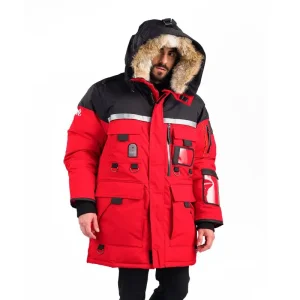
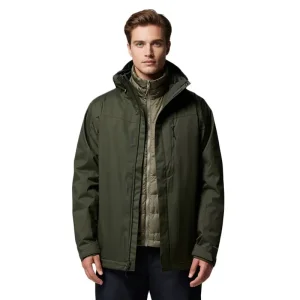
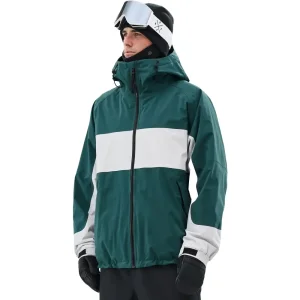
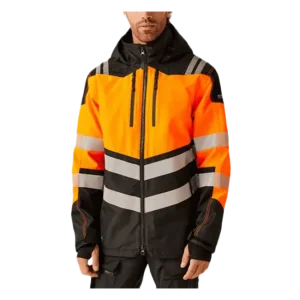
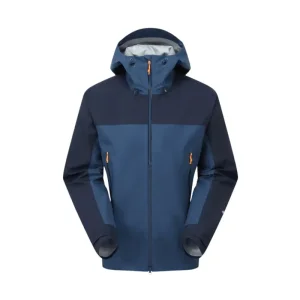
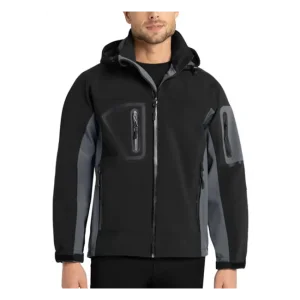
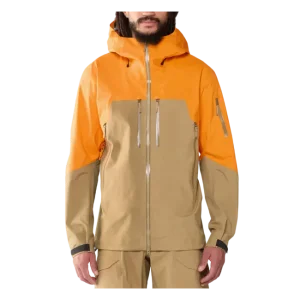
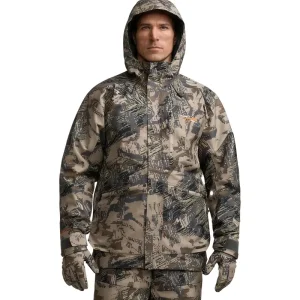
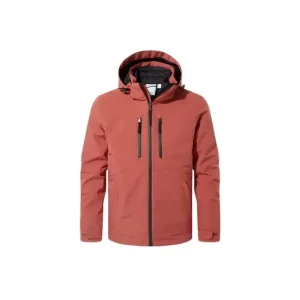
Explore our primary export-grade jacket models designed for high-altitude endurance, extreme waterproofing, and precision thermal protection.
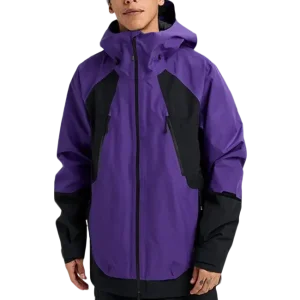
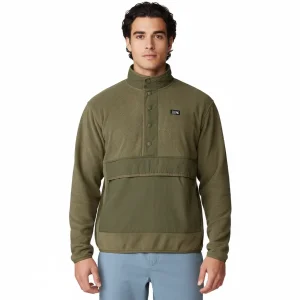
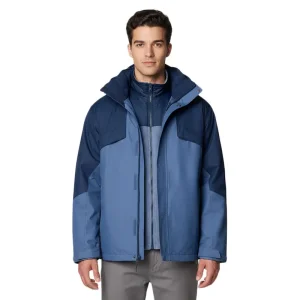
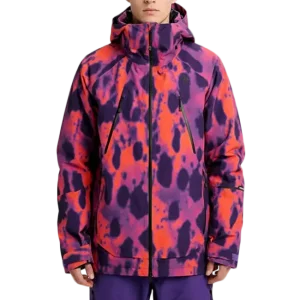
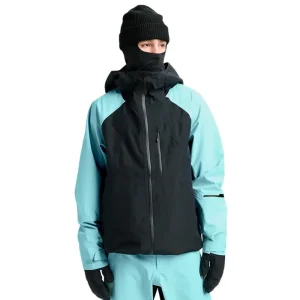
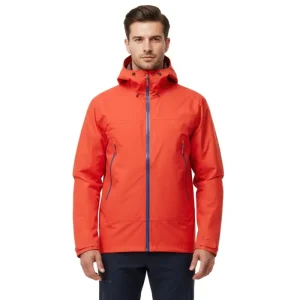
The global market for women's high-altitude mountaineering apparel is experiencing a paradigm shift. Historically treated as an extension of unisex or scaled-down male sizing ("shrink it and pink it"), modern female outdoor apparel manufacturing requires independent anthropometric modeling, highly specialized textile engineering, and strict environmental compliance.
Women’s technical alpine shell and insulated jacket demand is outstripping overall outdoor apparel growth, driven by growing participation in high-altitude touring, ice climbing, and technical trekking globally.
Commercial buyers are transitioning from standard 2.5-layer coatings to fully laminated 3-Layer (3L) ePTFE/PU membranes boasting hydrostatic head ratings exceeding 20,000 mm H₂O.
Tightening EU REACH and US State laws (e.g., California AB 1817) necessitate immediate factory adoption of C0 fluorocarbon-free durable water repellent (DWR) surface treatments.
To withstand polar vortexes, blizzard abrasion, and rapid internal humidity buildup during steep ascents, high-quality women's mountaineering jackets rely on precise 3-Layer laminate engineering.
| Laminate Specification | 2.5-Layer (Entry/Lightweight) | 3-Layer PU Hydrophilic (Mid-Tier) | 3-Layer ePTFE / Micro-Porous (Polar/Alpine Grade) |
|---|---|---|---|
| Hydrostatic Head (ISO 811) | 10,000 mm H₂O | 15,000 - 20,000 mm H₂O | > 28,000 mm H₂O |
| MVTR Breathability (JIS L1092) | 8,000 g/m²/24h | 15,000 g/m²/24h | 25,000 - 35,000 g/m²/24h (RET < 4) |
| Seam Taping Protocol | 15mm Semi-PU Tape | 13mm Hot-Melt TPU Tape | 8mm - 13mm Micro-Tape (Ultrasonic Bonded) |
| Abrasion Resistance (Martindale) | 15,000 Cycles | 35,000 Cycles | > 100,000 Cycles (Cordura® Blend Face) |
| Target Application | Day Hiking / Rain Shells | Resort Skiing / Backcountry | Expedition Climbing / 8000m Mountaineering |
High-altitude mountaineering introduces extreme vapor differentials between body heat and sub-zero exterior ambient air. ePTFE membranes utilize billions of microscopic pores per square inch—each pore 20,000 times smaller than a water droplet, yet 700 times larger than a water vapor molecule. This enables instantaneous passive venting without causing wind-chill degradation.
For factory production, sealing these technical fabrics requires strict temperature, pressure, and dwell time control during seam lamination. Our Foshan facility employs computerized hot-air seam-sealing machinery to guarantee zero micro-leakage at critical cross-seam junctions.
Traditional fluorinated DWR (C8/C6) allowed superb oil and water repellency, but bioaccumulated in natural ecosystems. As an authoritative manufacturer, Ruiniu has completely retooled fabric lamination lines for Plant-Based & Silicon-Based C0 DWRs.
By combining high-density weave structures (e.g., 40D-70D Recycled Nylon 6,6 Ripstop) with advanced plasma surface modification, we achieve a Grade 4+ spray rating (AATCC 22) after 20 heavy industrial wash cycles without relying on harmful persistent chemicals.
Mountaineering garments must accommodate full range-of-motion during vertical axe placement, harness tension, and bulky layering without pulling back at the waist or exposing wrist gaps.
Digitally mapped virtual avatars simulate dynamic shoulder rotation, chest expansion, and elbow articulation to eliminate seam strain before physical cutting.
Hand-warmer pockets and primary zippers are elevated 12cm above the waistline to remain 100% accessible while wearing a full climbing harness or hip belt.
Dual drawcord tensioning systems allow single-handed volume adjustment over ski and climbing helmets without restricting lateral peripheral vision.
An extended rear hem prevent wind riding when stooping or belaying, coupled with silicone gripper elastic internal powder skirts.
A jacket crafted for damp coastal alpine conditions in the Pacific Northwest requires drastically different trim and membrane selection than one built for dry, sub-zero Siberian expeditions.
Primary Need: Abrasion resistance & weight minimalism.
Factory Spec: 40D/70D zoned Kevlar/Cordura woven shoulder caps, pit-zip meshless cross-venting, AquaGuard® water-repellent zippers, weight under 420 grams.
Primary Need: Thermal dissipation & snow seal.
Factory Spec: High RET breathability (<3.5), internal stretch mesh skin pockets, detachable powder skirt with jacket-to-pant attachment tabs.
Primary Need: Extreme thermal retention & moisture management.
Factory Spec: 3-in-1 modular down insulation system (800FP RDS Goose Down), baffled baffle construction, oversized pull-tabs for heavy glove operation.
Located in Foshan, Guangdong, Guangdong Ruiniu Garment Manufacturing Co., Ltd. operates as a tier-1 OEM/ODM partner for global outdoor labels. Our 23-year operational history is anchored on absolute quality repeatability and low-risk buyer onboarding.
As smart textiles and bio-synthetics mature, the functional outerwear sector is moving toward active thermoregulation, self-healing coatings, and circular mono-material construction.
Integration of micro-encapsulated PCM paraffin liners that absorb body heat during exertion and release stored heat when standing still at belay stations.
Designing 100% Polyester jackets (Polyester Face + Polyester Membrane + Polyester Tricot Backup) enabling direct mechanical recycling without garment shredding or chemical separation.
Replacing traditional needle stitching with direct ultrasonic seam welding and liquid adhesive injection, reducing jacket weight by up to 18% while enhancing tear strength.
Direct technical answers to common buyer queries regarding fabric selection, MOQ, factory certifications, and quality control.
Discover our specialized expedition parkas, softshells, hi-vis safety gear, and custom multi-layer systems manufactured to global standards.