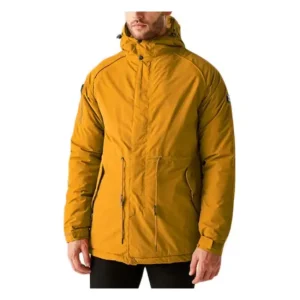
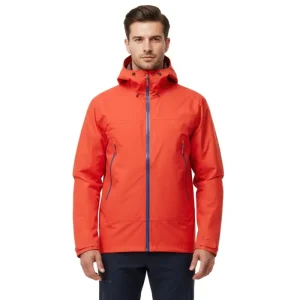
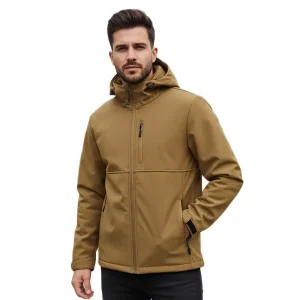
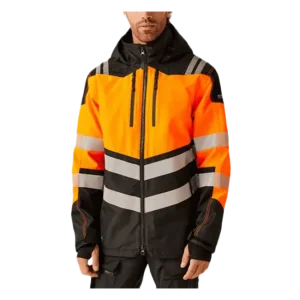
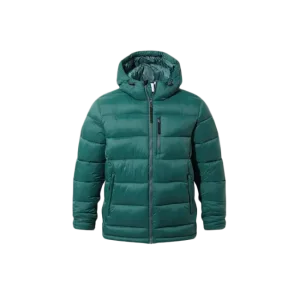
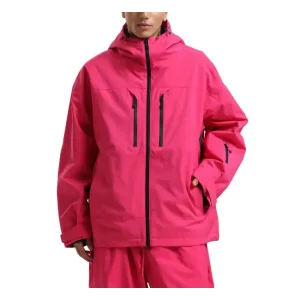
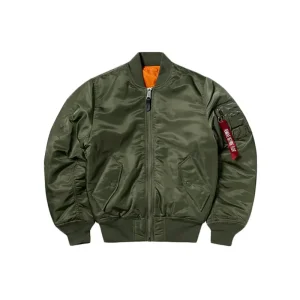
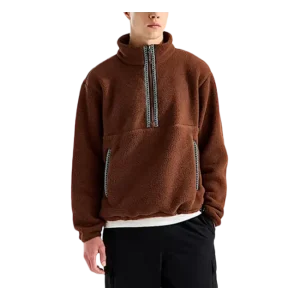
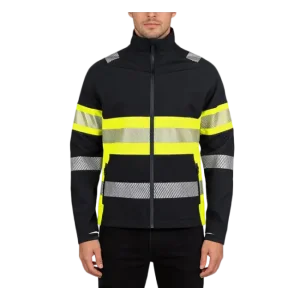
Direct factory production lines for high-visibility workwear, thermal insulated parkas, softshells, and technical 3-layer ski mountaineering garments.
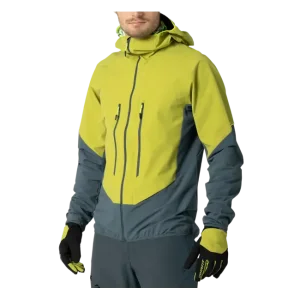
The global market for ski mountaineering jackets (often categorized within high-altitude alpine shells, Skimo racing gear, and backcountry apparel) has entered a hyper-specialized evolutionary phase. Unlike traditional resort ski clothing—which prioritizes static thermal insulation and aesthetic bulk—ski mountaineering requires an uncompromised balance between extreme storm protection, ultra-light packability, and high-exertion breathability. As backcountry touring and fast-and-light alpine expeditions outpace conventional ski resort growth across Europe, North America, and East Asia, global apparel brands are demanding higher technical benchmarks from their OEM/ODM manufacturing partners.
Transitioning from heavy 70D/100D traditional ski fabrics to micro-ripstop 20D/30D high-tenacity nylon 6,6 shells laminated with ultra-thin microporous poly-tetrafluoroethylene (ePTFE) or polyurethane membranes.
Manufacturing protocols now mandate minimum hydrostatic pressure resistance of 20,000 mm to 30,000 mm H2O (ISO 811) paired with water-vapor resistance (RET < 4.5 or MVTR > 25,000 g/m²/24h).
Leading manufacturing centers in Guangdong (Foshan) have consolidated specialized lamination, seam-taping laser technology, and automated pattern nesting to lower landed manufacturing costs while preserving premium quality.
Industrial brands face double-digit annual increases in demand for eco-compliant membrane chemistry (PFC-free, C0 DWR finishes combined with bio-based or recycled polyester/nylon face fabrics). To capture market share in competitive Western regions, apparel brands require factory partners capable of handling complex supply chain traceability, OEKO-TEX Standard 100 certification, and bluesign® chemical compliance while ensuring structural seam integrity under freezing sub-zero alpine conditions.
Building an elite ski mountaineering shell requires precise technical integration across every layer of the garment assembly. At Guangdong Ruiniu Garment Manufacturing Co., Ltd., our engineering methodology breaks down jacket construction into four essential structural pillars:
Our production facilities operate multi-head PUR hot-melt lamination machinery capable of bonding lightweight high-density outer face fabrics to hydrophobic/hydrophilic membranes and micro-grid tricot backings without clogging breathable pores.
Utilizing hot-air seam sealing equipment calibrated to precise temperature, pressure, and speed parameters for specific fabric weights. Ultrasonic stitchless bonding is used for internal stash pockets and storm flap edges to minimize thread weight and fluid entry points.
3-way adjustable storm hoods engineered to accommodate climbing and ski helmets without restricting peripheral vision. Cohaesive™ or embedded cord lock systems allow single-handed adjustment even when wearing heavy winter mountaineering gloves.
Dedicated insertion lines for RECCO® passive rescue technology integrated seamlessly into lower sleeves or collar zones during shell assembly, meeting international search-and-rescue radar reflectivity standards.
Ski mountaineering ascents (skinning uphill at 600+ vertical meters per hour) generate vast quantities of metabolic heat and perspiration. If vapor escapes too slowly, moisture condenses inside the jacket; during high-altitude descents in sub-zero winds, this dampness turns freezing. To combat this, our ODM technical pattern developers utilize 3D CLO ergonomic mapping to introduce strategic pit zips with weather-shielded YKK AquaGuard® zippers, laser-cut ventilation ports, and hybrid softshell-hardshell zone paneling.
For international buyers, corporate safetywear clients, and premium outdoor labels, supply chain auditability and standardized quality metrics are non-negotiable. Our manufacturing facility in Nanhai District, Foshan operates under strict ISO 9001, ISO 14001, and ISO 45001 management systems, providing multi-tier inspection protocols prior to final export packaging.
Raw roll inspection according to ASTM D5430. All shell fabrics undergo hydrostatic head pre-testing, colorfastness checks (ISO 105-X12), and abrasion resistance testing (Martindale ASTM D4966) before pattern cutting.
Hourly automated testing of seam-sealing waterproof performance using Suter hydro-testers at 3.5 PSI (0.24 bar) for 3 minutes to guarantee zero water penetration across welded and taped junctions.
Comprehensive final random sampling inspection (ANSI/ASQ Z1.4). Checks cover visual grading, measurement tolerances within ±0.5cm, zipper cycle testing, and carton drop tests before release.
Ski mountaineering garments operate in varied micro-climates and demanding professional environments. Our factory customized OEM/ODM services tailor material specs, pocket layouts, and hardware configurations to specific commercial use cases:
Minimalist 2.5L and ultralight 3L constructions designed for competitive ski mountaineering racers. Features internal stretch skin pockets for rapid climbing skin storage during transitions, streamlined athletic fit, and packable volume under 1 liter.
Heavy-duty 3L 70D nylon 6,6 construction built for sub-zero summit pushes and extended backcountry expeditions. Fully detachable or integrated powder skirts, harness-compatible Napoleon chest pockets, dual two-way pit zips, and reinforced cordura cuff guards.
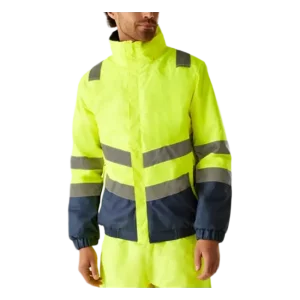
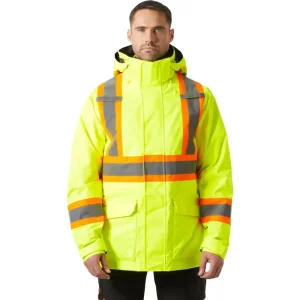
High-visibility color blocking complying with EN ISO 20471/ANSI standards, integrated radio harness loops, mic tabs, custom reflective heat-transfer logos, and modular 3-in-1 inner fleece or down jacket zip interfaces for all-day operational warmth.
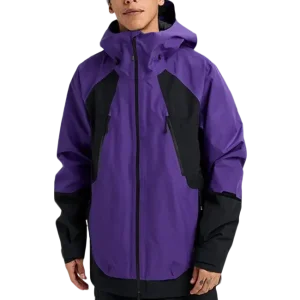
Relaxed freeride ergonomic tailoring with drop-tail hem coverage, internal mesh goggle pockets with built-in microfibre lens wipes, jacket-to-pant connection snap systems, and heavy-duty water-repellent zippers.
As apparel technology evolves, Guangdong Ruiniu Garment Manufacturing Co., Ltd. continues to invest in cutting-edge manufacturing equipment and sustainable textiles. Our 5-year technology development roadmap ensures our brand partners remain at the absolute forefront of outdoor technical apparel performance:
Complete phase-out of traditional PFAS/PFC compounds in favor of bio-based membrane technology derived from renewable plant materials, offering 25,000mm waterproofing with zero environmental persistence.
Deployment of dynamic AI marker nesting software combined with multi-layer automated camera-guided laser cutting beds to push raw fabric utilization rates past 90%, drastically reducing material wastage.
Engineering 100% single-polymer garments (polyester face + membrane + backing + zippers + seam tape), enabling seamless garment-to-garment chemical recycling without manual hardware separation.
Essential insights for brand owners, apparel sourcing directors, and technical product managers.
Our standard production MOQ is 100 pieces per style, which can be split across multiple colorways and a complete size run (e.g., XS through 3XL). For strategic brand development programs using in-stock high-performance 3L fabrics, we can accommodate pilot production runs starting at 50 pieces to support market testing prior to mass commercial scaling.
We utilize computerized hot-air seam-sealing machines equipped with digital temperature, pressure, and speed feedback loops. Every seam junction is sealed with imported 3-layer hot melt seam tape (13mm or 8mm micro-tape). In-line quality inspectors pressure test sealed seam samples every 2 hours using Suter hydro-testing units at 3.5 PSI to verify absolute zero water penetration.
Proto samples and 3D CLO virtual fittings are generated within 7 to 10 working days upon receipt of your tech pack or reference sample. Following sample sign-off, lab-dip approval, and fabric delivery, bulk factory manufacturing typically requires 30 to 45 days. Specialized membrane lamination or custom dye lots sit at the 45-day window.
Yes, absolutely. We work with leading bluesign® and OEKO-TEX® certified material mills to supply high-performance C0 (PFC-free) DWR finishes, bio-based membranes, and recycled face fabrics compliant with current European Union REACH chemical restrictions and North American state-level PFAS bans.
Yes. Our in-house technical design team and pattern masters can convert physical reference garments, mood boards, or basic sketches into production-ready tech packs, 3D digital renderings, graded measurement specs, and optimized bill-of-materials (BOM) detailing zippers, trims, and internal pocket layouts.
As a fully licensed direct exporter with 23+ years of international shipping experience, we offer FOB (Shenzhen/Guangzhou), CIF, and DDP (Delivered Duty Paid) air or ocean shipping straight to your regional warehouse in Europe, North America, or Oceania. All commercial documentation, customs export filings, and origin certificates are managed directly by our dedicated logistics team.
From waterproof 3L shells to hi-vis workwear and thermal fleece layers, explore our factory product lines available for custom manufacturing.