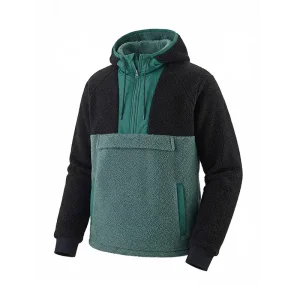
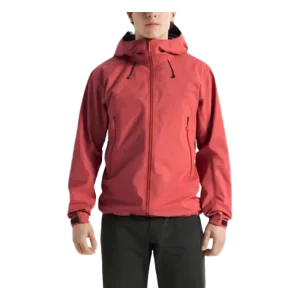
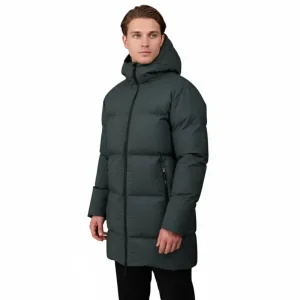
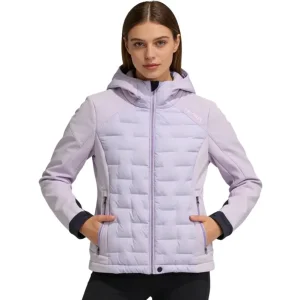
Explore our flagship OEM/ODM outerwear lines engineered for extreme durability, weather resistance, and global retail standards.
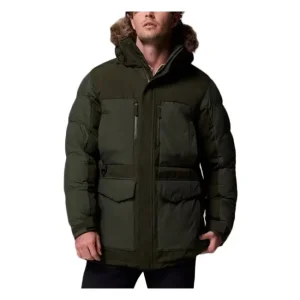
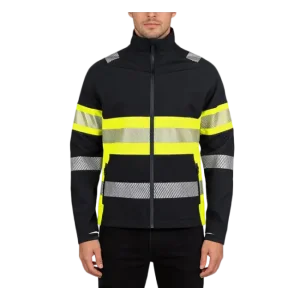
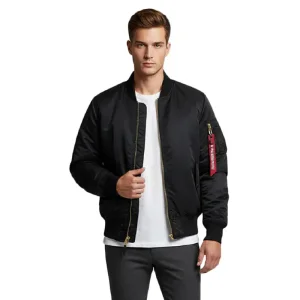
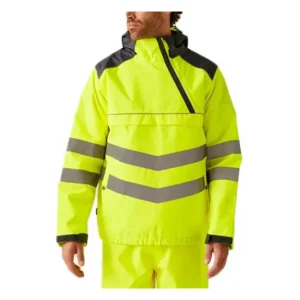
Analyzing global procurement trends, technical material shifts, and commercial benchmarks driving high-end technical outerwear manufacturing.
Global apparel brands are actively pivoting from 100% synthetic petrochemical shells to hybrid wool systems. Wool's natural keratin structure provides inherent flame retardancy, odorless microbial resistance, and superior thermoregulation across dynamic thermal gradients.
Compliance with Responsible Wool Standard (RWS) and ZQ Merino certifications is no longer optional for Western markets. Modern B2B procurement demands strict non-mulesed wool verification, complete chain-of-custody tracking, and low-water processing protocols.
The core technical challenge for manufacturers lies in bonding hydrophilic or microporous membranes (PU, ePTFE-free) to irregular natural wool fibers. Advanced lamination prevents delamination under sub-zero flex stress while retaining wool's breathability.
| Performance Metric | Technical Wool / Membrane Shells | Standard Synthetic Outerwear | Traditional Loden / Melton Wool |
|---|---|---|---|
| Hydrostatic Head (Waterproofness) | 15,000mm – 20,000mm H2O | 10,000mm – 20,000mm H2O | < 2,000mm H2O (Natural Lanolin Only) |
| Breathability (MVTR - JIS L1092 B1) | 12,000 to 18,000 g/m²/24h | 8,000 to 15,000 g/m²/24h | High air permeability, low windproofing |
| Thermal Buffering under Humidity | Superior (Exothermic Heat Release) | Poor (Cold clammy condensation) | Moderate to high thermal mass |
| Acoustic / Stealth Performance | Silent (< 15 dB friction noise) | Noisy (High rustle / swish) | Ultra-silent natural drape |
| Microplastic Shedding Mitigation | > 80% Microplastic Reduction | High micro-fiber pollution | Zero microplastics |
How Guangdong Ruiniu Garment Manufacturing merges raw fiber selection, membrane chemistry, and structural tailoring to engineer heavy-duty outdoor shells.
We utilize superfine Merino wool ranging from 17.5 to 19.5 microns for next-to-skin and lining elements, ensuring scratch-free comfort. For high-abrasion exterior shells, we engineer density-optimized Melton wools (21.5 to 23.5 microns) blended with Cordura® nylon for industrial resistance.
To overcome traditional wool weight penalties, our 3L constructions employ ultra-thin (7–12 micron) bio-based polyurethane membranes. Applied via dot-matrix hot-melt adhesive spraying, this guarantees soft drape without blocking the natural breathability pores of the wool face.
All wool outdoor jackets produced in our Foshan facilities receive advanced plant-based hydrophobic treatments. This C0 DWR formula allows water droplets to bead off the wool surface at initial impact without degrading the natural moisture-absorption core of the wool fiber.
When engineering insulated wool parkas, fiber migration is a key quality issue. We incorporate ultra-calendered 20D micro-ripstop linings and non-woven fiber-barrier interlinings that prevent wool prickle or down fill leakage through seam lines.
With 23+ years of technical outerwear heritage, Ruiniu Garment delivers reliable mass production capacity, rapid sampling, and rigorous testing for international brands.
Wool fabrics exhibit natural elasticity and pile direction. Our factory utilizes multi-layer automated laser cutting beds with computer-guided optical alignment to ensure pattern piece tolerances within ±0.5mm across bulk orders.
Taping thick wool-blend 3L seams requires customized hot-air sealing machines with double pressure rollers and precise temperature controls (180°C – 220°C) to melt 3-ply sealing tape deep into the fabric structure without scorching wool fibers.
We enforce a 4-point raw fabric inspection system, hourly in-line patrol quality gates during sewing, and 100% final AQL 1.0/2.5 pre-shipment inspections covering hydrostatic pressure, seam strength, zipper cycles, and color fastness.
Customizing technical wool outerwear for distinct regional climates, buyer demographics, and international certification frameworks.
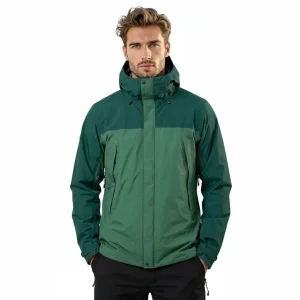
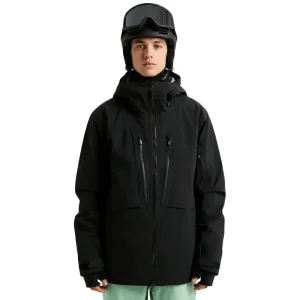
Designed for severe cold, moisture, and high elevation. Focuses on 3L Loden wool laminates with 20,000mm waterproofing, integrated RECCO® reflectors, pit-zip ventilation, and helmet-compatible storm hoods tailored for ski-touring and mountaineering.
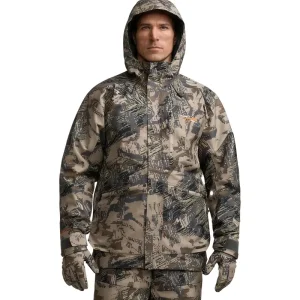
Prioritizes absolute silence and heavy-duty thorn resistance. Employs soft-brushed Melton wool faced with silent membranes, reinforced shoulder panels for gun stock grip, and camouflage or muted Earth-tone colorways.
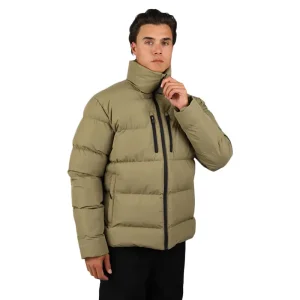
Synthesizes tailored luxury with functional city protection. Incorporates minimalist storm flaps, magnetic pocket closures, inner tablet pockets, and hybrid wool/down baffle insulation for professional winter commuters in New York, London, and Tokyo.
We ensure all raw materials, trims, and manufacturing processes align with destination-market regulatory standards:
Anticipating next-generation material science to keep OEM/ODM partner brands ahead of global performance benchmarks.
Integrating Phase Change Materials (PCM) directly into wool fleece backings. PCM absorbs excess body heat during high exertion and releases stored energy when temperatures drop below freezing.
Pioneering 100% bio-degradable outdoor jackets by pairing RWS wool face fabrics with bio-based polylactic acid (PLA) membranes and wool sewing thread, allowing complete industrial composting at end-of-life.
Digitizing pattern development to eliminate physically redundant prototype iterations. 3D stress-mapping algorithms predict drape, tension points, and insulation thickness on wool garments prior to fabric cutting.
Essential technical and commercial insights for apparel buyers, brand directors, and sourcing managers.
Our standard MOQ for custom technical wool jackets is 100 pieces per style, which can be divided across colorways and standard size runs (S to 3XL). For custom-dyed wool fabrics or proprietary membrane lamination development, initial trial orders of 50 pieces per style can be accommodated depending on raw material stock.
Wool fibers naturally contract under heat and moisture. Prior to pattern cutting, all incoming wool roll stock undergoes continuous steam relaxation and pre-shrinking. We incorporate dedicated shrinkage allowance coefficients into CAD patterns (typically 2% to 4%) to guarantee exact fit post-assembly.
Yes. By bonding a high-performance 3-layer waterproof membrane (such as 15,000mm or 20,000mm hydrostatic head rating) to the back of the woven wool face fabric and sealing all stitch lines with micro-seam tape, the garment becomes fully waterproof, windproof, and storm-proof.
Prototype sampling takes 7 to 10 working days upon receipt of tech pack and trim details. Bulk manufacturing spans 30 to 45 days following Pre-Production (PP) sample approval and fabric arrival at our Foshan facility. Expedited production slots are available for repeat seasonal re-orders.
Yes. Our in-house pattern-making and R&D department provides full ODM services. You can send reference garments, concept sketches, or mood boards. We create 3D virtual fittings, graded measurement specs, fabric swatches, and complete bill-of-materials (BOM) for your review.
From waterproof hard shells to specialized workwear, review our complete OEM/ODM manufacturing capability.