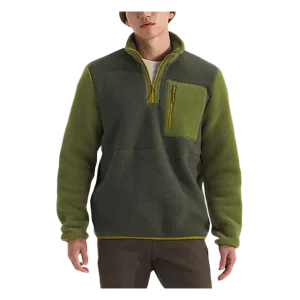
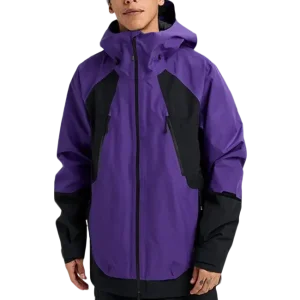
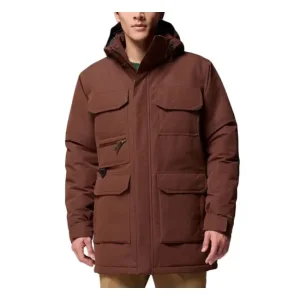
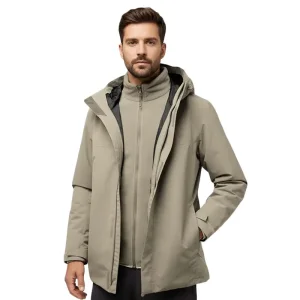
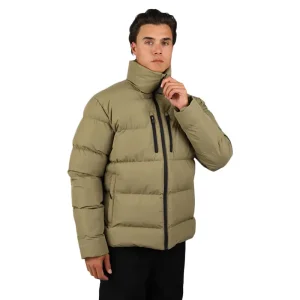
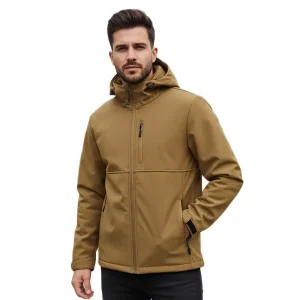
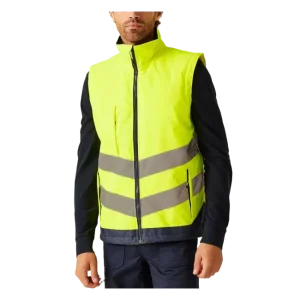
In the expanding global market for technical apparel, the demand for high-performance thermal gear has evolved far beyond traditional cold-weather insulation. As an established ODM heavyweight parka exporter and manufacturer, our operational insights reveal a dramatic convergence between extreme-environment industrial protection and premium urban outdoor aesthetics. Commercial buyers, government procurement agencies, and private outdoor labels now demand parkas engineered for severe sub-zero thresholds (ranging from -20°C down to -40°C) without sacrificing ergonomic mobility, weight distribution, or brand-specific design language.
Modern supply chains require severe climate readiness. Energy sector enterprises operating offshore rigs in the North Sea, logistics conglomerates establishing arctic distribution hubs, and high-end outdoor brands catering to North American and European winters require sophisticated garment construction. Micro-climate control, vapor permeability management, and modular layering systems are essential specs. Meeting these multi-faceted performance metrics demands direct manufacturing capabilities—integrating automated CAD pattern development, laser fabric cutting, ultrasonic seam sealing, and laboratory-verified down-filling processes under unified quality management.
Procurement intent analysis among B2B garment buyers highlights a decisive shift: organizations are transitioning away from high-friction multi-vendor sourcing models toward consolidated OEM/ODM partnerships. Modern procurement officers look beyond basic FOB unit pricing; they evaluate Total Cost of Ownership (TCO), material traceability compliance, minimum order quantity flexibility, and delivery schedule integrity.
Emerging brands and specialized commercial fleets require agile production runs to validate new regional markets. By establishing a low minimum order threshold starting at 100 pieces per style/colourway, our production lines enable clients to initiate market-test capsules before executing full-scale commercial manufacturing runs.
EU and North American regulatory frameworks mandate strict environmental compliance across the textile supply chain. Our manufacturing network adheres strictly to OEKO-TEX® Standard 100, bluesign® certified fabric treatments, PFC-free DWR (Durable Water Repellent) coatings, and 100% Responsible Down Standard (RDS) or Global Recycled Standard (GRS) insulation inputs.
Industrial and heavy-duty winter parkas require multi-layered protection. We engineer 2L, 2.5L, and 3L laminated hard-shell constructions rated from 5,000mm up to 15,000mm water column protection, coupled with breathability indices reaching 10,000g/m²/24h to prevent internal moisture buildup during active work conditions.
Winter outerwear retail windows allow zero room for supply chain delays. By coordinating raw material reservations with automated JIT (Just-In-Time) sewing line management, we guarantee rapid sample development within 7–12 working days and bulk order fulfillment in 30–45 days.
To achieve superior insulation while preventing thermal bridging and structural degradation over prolonged use, an ODM heavyweight parka must be designed with precise structural layers. Below is the multi-tier engineering matrix applied in our Foshan production facility:
Utilizes high-tenacity 200D to 600D Nylon 6.6 or Tactel® fabrics, reinforced with micro-ripstop grids. Surface-treated with C0 eco-friendly DWR finish to achieve Level 4 water repellency, repelling snow, sleet, and industrial oils.
Microporous polyurethane (PU) or ePTFE waterproof membranes are thermal-bonded to the back of the face fabric. Fully sealed using 20mm-22mm hot-melt TPU seam-sealing tape applied by automated hot-air pressure equipment.
Dual-layer insulation matrix featuring 90/10 RDS goose/duck down (650-800 Fill Power) combined with strategic PrimaLoft® Gold synthetic fill in moisture-prone zones (shoulders, underarms, cuffs) to maintain loft when damp.
Constructed with 300T high-density anti-down lining fabric calendar-treated under heat and pressure. Prevents down feather migration through stitching holes without adding unnecessary weight.
Heavy-duty YKK AquaGuard® two-way locking zippers with extended pullers for easy operation while wearing heavy winter gloves. Reinforced storm flaps with magnetic quick-snap closures.
Features heat-reflective silver dot lining panels in the core back region to radiate body heat back to the wearer, combined with moisture-wicking fleece panels along the collar and neck guard.
Operating from Guangdong’s industrial apparel hub in Foshan, Guangdong Ruiniu Garment Manufacturing Co., Ltd. represents the modern evolution of Chinese apparel manufacturing. The transition from manual assembly to Industry 4.0 digitised production allows our facility to combine competitive unit economics with precision quality control.
Our vertically organized facility houses digitized pattern making, automated CAD marker optimization (yielding over 88% raw fabric utilization), computer-controlled laser cutting tables, and automated multi-chamber down-filling machinery. By injecting real-time data tracking into our JIT (Just-In-Time) one-piece flow lines, work-in-progress inventory is kept low, preventing production bottlenecks and enabling seamless transition between diverse garment styles.
Precision vacuum-weighed down injection machines measure down fill per chamber to a accuracy tolerance of ±0.05g, eliminating cold spots and guaranteeing precise insulation density across all size runs.
Stitchless seam technology fuses structural panels without piercing fabric membranes, increasing tear strength while offering a sleek, waterproof finish ideal for modern technical outerwear.
Every production lot undergoes rigorous inspection: incoming raw material testing, bi-hourly in-line patrol audits on sewing lines, and a final 100% piece-by-piece inspection adhering to AQL 2.5 standards before packing.
As an experienced ODM exporter, we tailor outerwear construction to match specific geographical, environmental, and industry-specific requirements across global regions:
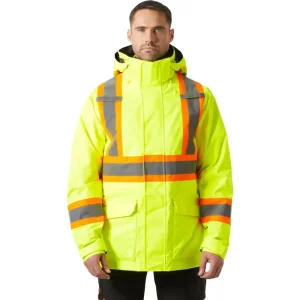
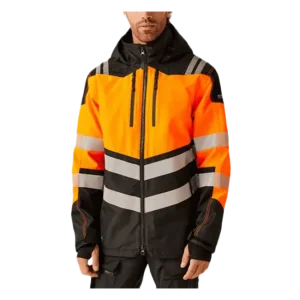
Engineered with flame-resistant (FR) outer shells, anti-static carbon filaments, high-visibility 3M™ Scotchlite™ reflective striping, and heavy insulation rated to -40°C. Built to keep field engineers protected during extended shift work in extreme sub-zero conditions.
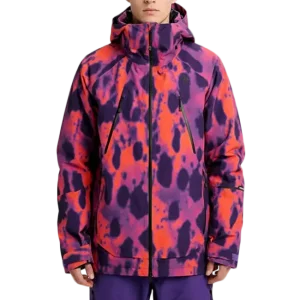
Features 3L stretch shells, integrated powder skirts with jacket-to-pant attachment loops, helmet-compatible hoods, waterproof lift pass sleeve pockets, and mesh-lined pit zips for dynamic thermal regulation on high-altitude slopes.
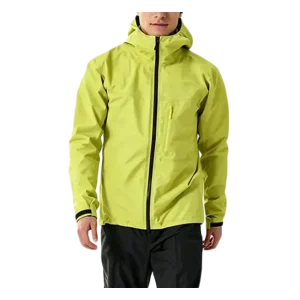
Clean, minimalist silhouettes with matte-finished recycled nylons, concealed magnetic pocket closures, internal carry straps, and customizable branded trims designed for cold city winters and premium retail shelves.
Durable, cost-effective insulated work parkas equipped with abrasion-resistant Cordura® elbow patches, deep fleece-lined handwarmer pockets, and reinforced ID card holders tailored for warehouse and transport workers.
We simplify technical apparel manufacturing through a transparent 6-stage development framework, taking your design concept from initial sketch to final container loading:
Review of client tech packs, structural drawings, or reference samples. We assist in finalizing target specs, waterproof indices, and bill of materials (BOM).
Selecting face fabrics, membranes, and trims. Conducting lab tests for color fastness, hydrostatic pressure, tear strength, and down-proof properties.
Developing initial 3D patterns and physical fit samples within 7–12 working days, accompanied by detailed measurement audit reports.
Finalizing gold-seal PP samples with exact brand labels, custom hangtags, zipper pulls, and retail packaging ready for bulk production sign-off.
Launching bulk manufacturing on automated lines, featuring computerized laser cutting, seam sealing, down filling, and real-time QC monitoring.
Final AQL 2.5 audit, metal detection check, carton packaging optimization, and handling FOB, CIF, or DDP shipping logistics.
Key technical and operational insights to assist sourcing managers, buyers, and brand managers during supplier evaluation.