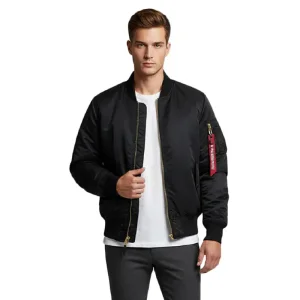
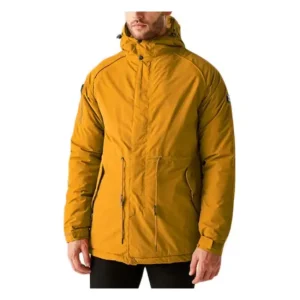
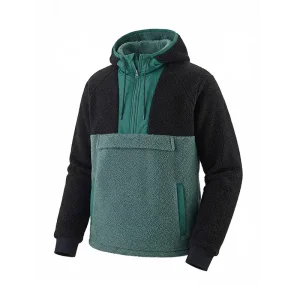
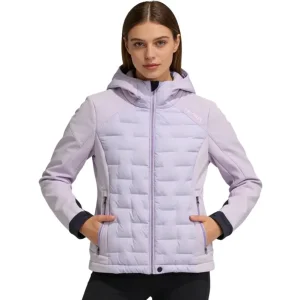
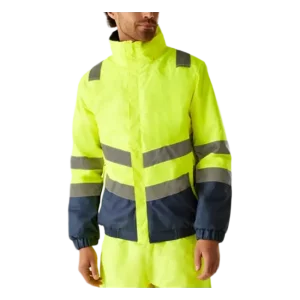
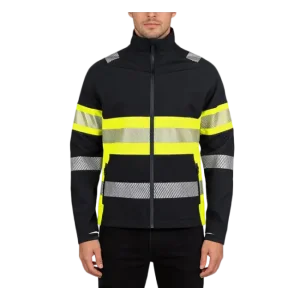
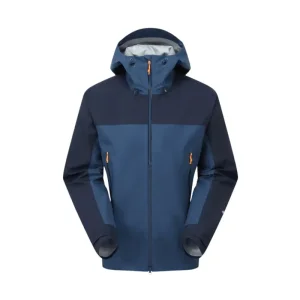
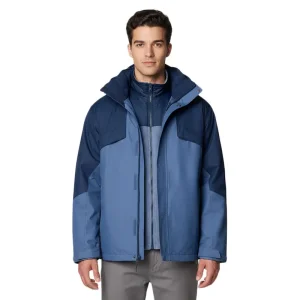
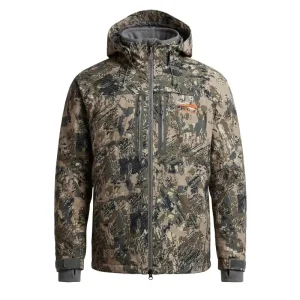
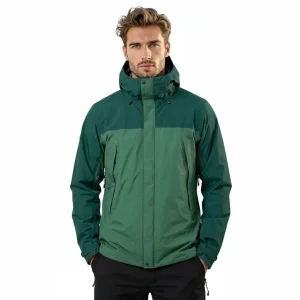
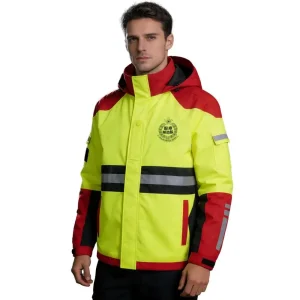
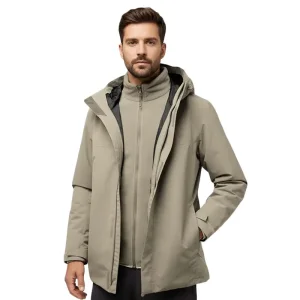
The global activewear ecosystem is undergoing a structural paradigm shift. Women’s outdoor running jackets are no longer evaluated merely as seasonal apparel; they represent high-precision technical equipment engineered at the intersection of material science, biomechanics, and aesthetic refinement.
Global brand procurement strategies are moving away from traditional C8 fluorocarbon-based DWR treatments toward non-PFC (PFC-free) bio-based DWR and expanded Polyethylene (ePE) membranes. Modern ODM factories must deliver low-carbon footprints without sacrificing hydrostatic performance.
Running generates rapid microclimate changes inside the garment. Female-specific thermal mapping dictates targeted ventilation zones using laser-perforated back panels, mesh armpit gussets, and moisture-wicking 3D woven textiles.
As urban low-light running increases, integrating 360-degree retro-reflective elements (such as 3M™ Scotchlite™ glass bead technologies or reflective yarn weaving) has shifted from an optional feature to an essential engineering standard for women's activewear.
International apparel buyers, tier-1 outdoor brands, and private-label importers face multifaceted operational challenges when selecting an ODM/OEM partner. Understanding these operational demands is critical for factory selection.
Legacy factories requiring 3,000+ pieces per style pose severe inventory risks in volatile retail environments. Modern ODM facilities must offer tiered Minimum Order Quantities (starting as low as 100–300 pieces per style) while preserving economies of scale through modular production lines.
Speed-to-market defines competitive dominance. Procurement teams require 3D CLO virtual prototyping within 48 hours, physical sample turnaround within 7–10 days, and full bulk delivery guaranteed within 30 to 45 calendar days after pre-production sample approval.
Enterprise buyers cannot compromise on ESG standards. Factories must maintain active BSCI, SMETA, and ISO 9001 audits, coupled with fully traceable raw material chains certified by GRS (Global Recycled Standard) and OEKO-TEX® Standard 100.
Fluctuating freight charges and raw material price volatility necessitate transparent open-costing BOM (Bill of Materials) structures. Enterprise-grade ODM partners guarantee fixed bulk pricing upon contract execution to protect customer operating margins.
Manufacturing a high-performance running jacket requires rigorous control over fiber density, membrane lamination, seam welding, and ergonomic patterning tailored specifically to female anthropometry.
Selecting between 2.5-Layer (2.5L) ultra-light print coatings and 3-Layer (3L) micro-tricot backed laminates. For running, 2.5L structures utilizing a 15D/20D ripstop nylon shell offer optimal packability while providing 15,000mm hydrostatic head protection.
Traditional stitched seams create needle punctures and add bulk. Advanced ODM factories utilize 10mm or 13mm TPU micro-seam sealing tapes applied via programmable hot-air sealing machinery to guarantee 100% waterproof integrity without restricting mechanical stretch.
Women’s athletic movement patterns demand articulated elbow darts, a contoured drop-tail hem, and dynamic bust gussets. High-precision laser cutting prevents fabric fraying and ensures +/- 0.5mm tolerance adherence during mass assembly.
Our specialized manufacturing lines adhere to stringent laboratory test standards: Hydrostatic Head (ISO 811) ≥ 15,000 mm H2O; Water Vapor Permeability (JIS L1092 B1 / ASTM E96) ≥ 15,000 g/m²/24h; Spray Rating (AATCC 22) ≥ Grade 4 (after 20 domestic wash cycles).
A mature ODM factory acts as an extended R&D center for outdoor brands, bridging concept sketches to shelf-ready retail delivery.
Utilizing 3D CLO digital rendering tools to validate fit, draping, and panel color-blocking prior to cutting physical fabric. Reduces sample iterations by 60% and slashes development timelines.
Direct integration with premium yarn suppliers and membrane laminators. Custom dyeing to exact Pantone (TCX) references, application of durable water repellent (DWR) coatings, and custom knit/woven texture development.
Computerized numerical control (CNC) automated knife spreaders and high-speed laser cutting tables optimize marker efficiency above 88%, reducing raw material waste and lowering unit landed cost.
Dedicated lean manufacturing cells specializing in light technical outerwear. Specialized operations include automated pocket-welding, magnetic zip attachment, and elastic cuff binding.
Every batch undergoes in-line hydrostatic pressure testing, seam slip strength evaluations, and colorfastness audits adhering to AQL 2.5 / 4.0 inspection standards before final packing.
Comprehensive private-label packaging solutions including heat-transfer reflective logos, custom silicone pullers, branded hangtags, FSC-certified polybags, and direct DDP shipping handling.
Exporting high-performance outdoor running jackets into target markets across North America, the European Union, the United Kingdom, and Asia-Pacific requires compliance with localized regulatory frames and testing methodologies.
| Target Region | Regulatory / Compliance Requirement | Technical & Quality Test Standard | Factory Implementation Strategy |
|---|---|---|---|
| European Union (EU) | EU REACH Regulation, OEKO-TEX Standard 100 Class I/II, PFC-Free DWR mandates. | EN 343 (Rain Protection), ISO 811 (Hydrostatic Pressure), ISO 11092 (Thermal & Water Vapor Resistance). | 100% fluorocarbon-free water-repellent finishing; third-party chemical safety screening per raw material batch. |
| North America (US/CA) | CPSIA Compliance, California Proposition 65, FTC Care Labeling rules. | AATCC 22 (Water Repellency), AATCC 127, ASTM E96 (Breathability via Inverted Cup Method). | Traceable lead/phthalate-free zipper hardware; verified lab reports from accredited test houses (SGS, Intertek). |
| Global / Multi-Market | Global Recycled Standard (GRS) v4.0, bluesign® System Certification, BSCI / SMETA Social Audit. | ISO 9001:2015 Quality Management Systems, ISO 14001:2015 Environmental Controls. | Chain-of-custody transaction certificates (TC) provided for all recycled polyester/nylon fabric runs. |
The future of women’s running jacket production lies at the confluence of smart wearable integration, automated robotic assembly, and circular material streams.
Emerging ODM research integrates shape-memory polymers and moisture-reactive fibers into running jackets. These smart textiles physically open their weave structure when humidity levels spike inside the jacket, delivering passive temperature regulation without mechanical zips.
Traditional jackets combine polyester shells, polyurethane membranes, nylon zips, and elastane trims, rendering full garment recycling virtually impossible. Next-generation factory platforms prioritize single-family polymer construction (100% Polyester or 100% Nylon 6), allowing end-of-life jackets to be directly melted down into high-purity virgin-grade resin.
Crucial insights addressing manufacturing workflows, customization parameters, and supply chain logistics for B2B procurement professionals.
Our standard production MOQ starts at 100 to 300 pieces per style/colorway, depending on fabric customisation requirements. For pilot programs utilizing in-stock technical fabrics, we accommodate small-batch initial orders (50–100 pieces) to support brands testing new market niches before scaling to volume production.
Virtual 3D CLO fitting renderings are delivered within 48 hours. Physical proto-samples require 7 to 10 working days upon fabric availability. Mass production lead time generally ranges from 30 to 45 calendar days following Pre-Production (PP) sample approval and deposit confirmation.
We source certified 2.5L and 3L hydrophobic/hydrophilic membranes (such as TPU, PU, or bio-based ePE) paired with DWR finishes. Every fabric lot undergoes hydrostatic head testing (ISO 811) and water vapor transmission rate testing (JIS L1092 B1 / ASTM E96). Furthermore, 100% of critical seams are sealed with calibrated hot-air seam taping machines.
Yes. Over 70% of our production runs utilize GRS-certified recycled nylon (RPET) or recycled polyester derived from post-consumer plastic bottles. We offer PFC-free (C0) durable water repellents and ensure all textiles comply with OEKO-TEX® Standard 100 and REACH RSL criteria.
Absolutely. We provide complete private-label OEM/ODM solutions, including custom heat-transfer reflective logos, custom woven neck labels, embossed silicone zipper pullers, custom care labels, branded hangtags, and eco-friendly FSC packaging polybags.
We strictly follow a 3-tier QC system: 1) Raw material inspection upon arrival (AATCC 4-Point System); 2) In-line inspection every 2 hours along assembly lines; and 3) Final AQL 2.5 / 4.0 inspection prior to packing. Comprehensive photo audit reports and lab test certificates are sent to buyers prior to release.
Connect directly with our engineering team to review tech packs, request fabric sample books, or obtain an open-costing BOM quotation within 24 hours.