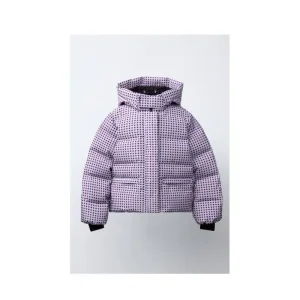
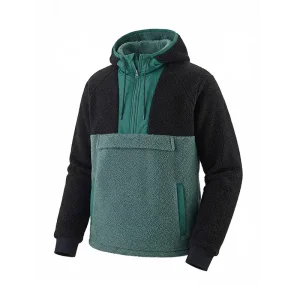
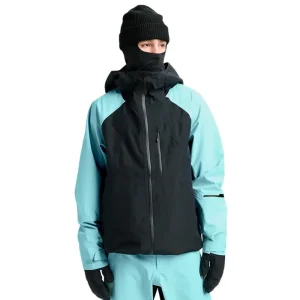
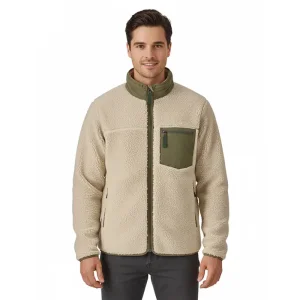
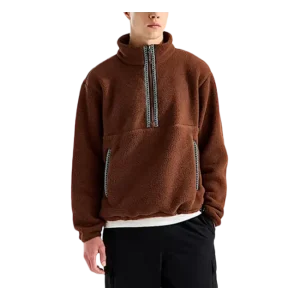
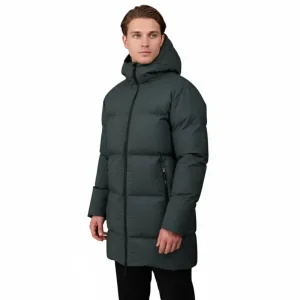
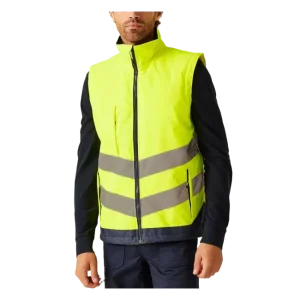
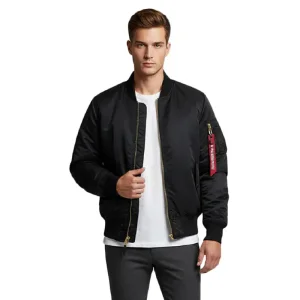
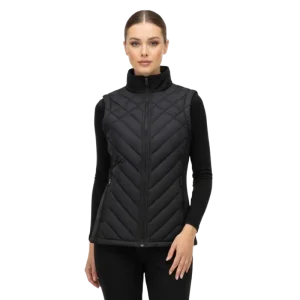
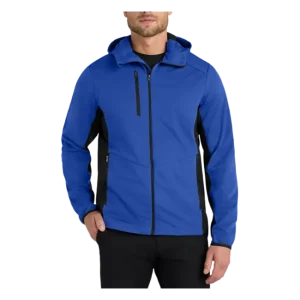
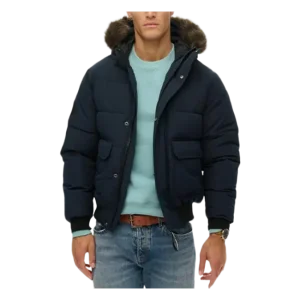
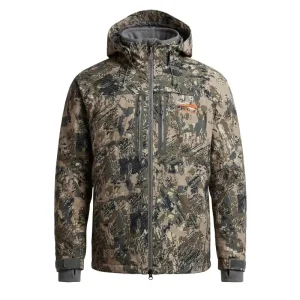
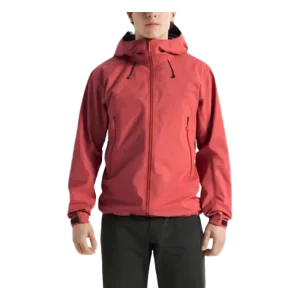
Explore our baseline engineering capabilities across custom ski wear, technical insulated layers, softshells, and weather-defying outerwear developed for global brands.
The global tactical and technical outerwear market has experienced a structural paradigm shift over the past decade. Once restricted to defense agencies and specialized law enforcement units, high-performance outdoor tactical jackets have surged into mainstream commercial markets, civilian outdoor recreation, industrial security, and premium urban techwear. Global procurement managers and apparel brand directors are now seeking manufacturing partners who bridge the gap between military-grade durability and ergonomic, lifestyle-driven design aesthetics.
According to international textile intelligence reports, the global market for technical tactical outerwear is projected to expand at a Compound Annual Growth Rate (CAGR) exceeding 6.8% over the next seven years. This expansion is powered by increasing consumer participation in alpine sports, wilderness survival training, tactical shooting disciplines, and demanding industrial field occupations. Modern buyers no longer accept bulky, rigid protective garments; they demand lightweight, three-layer (3L) seam-sealed laminates, 4-way stretch softshells, dynamic breathability, and integrated Near-Infrared (NIR) camouflage reflection management.
Manufacturing a commercial-grade outdoor tactical jacket requires an intricate ecosystem of specialized material suppliers, automated tooling, and highly skilled garment technicians. China’s advanced textile clusters—particularly located in industrial hubs like Guangdong—offer unmatched operational scale, technological integration, and supply chain resiliency.
Utilizing multi-ply automated CAD/CAM spreading and computer-controlled laser cutting tables ensures pattern accuracy down to 0.1mm. This eliminates edge fraying on high-density Cordura® or Nylon 6,6 ripstop fabrics, boosting marker efficiency beyond 88% and protecting overall unit margins.
True waterproof tactical outerwear demands complete seam isolation. Chinese OEM facilities deploy state-of-the-art hot-air pneumatic taping machinery using multi-layer PU, TPU, or ePTFE tapes, ensuring that stitch holes generated by heavy-duty needles are 100% waterproof under high hydrostatic pressure tests.
The proximity of Chinese OEMs to world-class membrane laminators, YKK/SBS waterproof zipper manufacturers, hook-and-loop suppliers, and specialized hardware makers reduces component lead times by up to 40% compared to fragmented international supply chains.
An OEM tactical jacket is only as capable as its underlying textile chemistry and mechanical assembly. When formulating tech packs for private label clients, our engineering teams focus on balancing abrasion resistance, moisture management, thermal retention, and acoustic stealth (low-noise movement).
| Performance Tier | Shell Construction | Hydrostatic Head (ISO 811) | MVTR Breathability (JIS L1092 B1) | Primary Commercial Application |
|---|---|---|---|---|
| Tactical Hard Shell (3L) | 500D Nylon 6,6 Ripstop + ePTFE Membrane + 20D Tricot Backer | ≥ 20,000 mm H2O | ≥ 15,000 g/m²/24h | Extreme Weather Alpine Operations & Heavy Tactical Duty |
| Hybrid Softshell (3L Bonded) | 92% Polyester / 8% Elastane 4-Way Stretch + Micro-fleece | ≥ 10,000 mm H2O | ≥ 8,000 g/m²/24h | Dynamic Physical Training, Urban Patrol & Outdoor Trekking |
| Lightweight Field Shell (2.5L) | 70D Mini-Ripstop Nylon + Printed PU Membrane Coating | ≥ 15,000 mm H2O | ≥ 10,000 g/m²/24h | Packable Emergency Shells & Law Enforcement Rapid Patrol |
| Extreme Cold Weather (ECW) | 2-Layer Laminated Shell + 800-Fill Power RDS Down / GRS Synthetic | ≥ 15,000 mm H2O | ≥ 6,000 g/m²/24h | Sub-Zero Wilderness Expeditions & Arctic Industrial Workwear |
Understanding end-user operational environments is critical for precise product development. OEM buyers customize tactical jacket specifications based on targeted geographical climates and functional deployment scenarios:
Requires high-visibility accents or covert reflective strips (EN ISO 20471 compliance), harness-compatible handwarmer pockets positioned above hip-belt level, helmet-compatible 3-way adjustable storm hoods, and reinforced shoulder panels to prevent friction wear from heavy backpacks.
Focuses on low-profile aesthetic designs, silent magnetic pocket closures, concealed side-zipper access for rapid belt-gear draw, loop panels for tactical morale patches, and internal wire-routing ports for communication headsets.
Demands extreme tear resistance, flame-retardant (FR) chemical treatments, oil-and-dirt repellent DWR finishes, triple-stitched main stress seams, and heavy-duty double-slider main zippers built to withstand grit and dust exposure.
For enterprise purchasing teams, international apparel distributors, and growing outdoor brands, establishing a successful OEM/ODM relationship requires clear parameters around minimum order quantities, compliance verification, and quality assurance workflows.
1. Agile Minimum Order Quantities (MOQ): While traditional garment factories mandate 1,000+ pieces per style, modern smart suppliers provide flexible scaling options. Baseline orders start at 100 pieces per style (split across size runs and colorways), with low-MOQ pilot runs (50 pieces) available on selected stock fabrics to support market validation.
2. Strict Quality Control (AQL 2.5 Standard): Professional factories execute a 3-tier quality gate system. This encompasses raw material testing (4-point fabric inspection system), in-line hourly stitching checks, and final 100% finished goods audits evaluating hydrostatic head rating, zipper torque, seam tension strength, and color fastness (ISO 105).
3. Environmental & Social Compliance: Tier-1 OEM manufacturers prioritize sustainability. Face fabrics and trims carry certifications such as OEKO-TEX® Standard 100, bluesign® approval, and Global Recycled Standard (GRS) certification for recycled polyester/nylon yarns. Down insulation is strictly sourced under Responsible Down Standard (RDS) traceability protocols.
As the market evolves toward 2030, emerging technical innovations are transforming product design guidelines and buyer expectations across the global sourcing spectrum:
With global environmental regulations banning short-chain fluorocarbons (C6/C8), leading factories have transitioned to bio-based, C0 durable water repellent coatings that maintain exceptional water beading performance without environmental persistence.
Integration of ultra-thin carbon fiber or graphene heating elements powered by USB power banks. Embedded micro-thermostats allow users to adjust internal temperature zones via lightweight push-button controls built into chest panels.
Accelerating sample development cycles from weeks to days. By generating digital twin 3D garments on virtual avatars, buyers can approve pattern draping, stress maps, and logo placements before physical fabric is ever cut.
Get definitive technical answers regarding production workflows, customization techniques, and quality assurance standards.
Proto samples and 3D digital renderings are typically delivered within 7 to 10 working days. Upon pre-production (PP) sample approval and bulk fabric mill delivery, standard mass production runs take 30 to 45 calendar days. Complex orders involving custom fabric dyeing, specialized lamination membranes, or heavy seam-taping sit at the 45-day mark.
Every production batch undergoes rigorous hydrostatic head testing per ISO 811 standards using internal hydrostatic testers. We verify that fabric membranes withstand 15,000mm to 20,000mm H2O pressure. Additionally, seam sealing integrity is 100% verified using pneumatic water column testers on taped cross-seams prior to lining installation.
Yes. We provide full OEM support based strictly on your CAD files, pattern blocks, tech packs, and bill of materials (BOM). Alternatively, our in-house ODM pattern technicians can reverse-engineer physical reference samples or refine concept sketches into production-ready patterns with full size grading.
We offer high-density 3D embroidery, laser-cut bonded TPU patches, silicone heat-transfer logos, custom woven labels, metal snap-button engraving, laser-engraved zipper pulls, and velcro hook-and-loop loop panel installations tailored to military or commercial brand specifications.
We maintain independent import/export operational rights. We support flexible trade terms including FOB (Shenzhen/Guangzhou), CIF, CFR, and DDP (Delivered Duty Paid). Every consignment is accompanied by full commercial documentation, packing lists, Certificates of Origin (Form E/Form F if applicable), and lab test certificate reports.
Explore our broader OEM product offerings, including specialized bomber jackets, insulated vests, outdoor rainwear, and quick-dry sportswear components.