Explore our core waterproof, insulated, and technical softshell solutions customized for international brands.
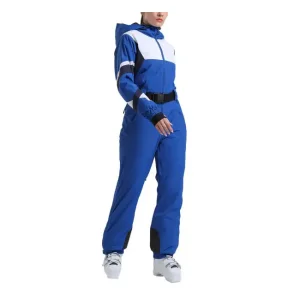
Navigating the Paradigm Shift in Hydrostatic Performance, Sustainable Chemistry, and High-Yield OEM Manufacturing Protocols
The global demand for high-performance outdoor jackets has evolved from niche mountaineering gear into a dominant sector across urban lifestyle apparel, professional workwear, and extreme sports gear. Contemporary B2B buyers—ranging from established European outerwear labels to fast-growing North American DTC outdoor brands—face stringent commercial pressures. End-consumers demand absolute waterproof protection, uncompromised breathability, lightweight packability, and verified environmental credentials without premium price inflation.
As a leading OEM Waterproof Outdoor Jacket Factory & Supplier, Guangdong Ruiniu Garment Manufacturing Co., Ltd. operates at the intersection of material science and precision mass production. The modern landscape requires manufacturers to bridge the traditional gap between technical lab specs (such as Hydrostatic Head ratings under ISO 811 and Moisture Vapor Transmission Rates under JIS L1092) and repeatable factory-floor output.
Global environmental mandates (including EU REACH, California AB 1817, and PFAS restrictions) require a full migration to C0 (PFC-Free) Durable Water Repellent finishes. Our factory ensures 100% compliant hydrophobic face fabrics while preserving high oil and water repellency.
Selecting between expanded PTFE (ePTFE) membranes and non-porous PU/TPU films directly dictates garment performance. We provide multi-layer lamination engineering targeted precisely to the end-use thermal and moisture-vapor profile.
From GRS-certified recycled face fabrics (recycled PET/Nylon) to RDS-certified down insulation and bluesign® approved textile mills, our end-to-end supply chain delivers verifiable audit trails required by international ESG standards.
A Comprehensive Breakdown of 2-Layer, 2.5-Layer, and 3-Layer Shell Formulations for B2B Product Managers
| Construction Type | Membrane / Film | Hydrostatic Head (ISO 811) | Breathability (MVTR JIS L1092) | Seam Sealing Spec | Primary OEM Target Application |
|---|---|---|---|---|---|
| 2-Layer (2L) Hard Shell | Hydrophilic PU / TPU Membrane bonded to Face Fabric | 10,000 mm – 15,000 mm | 8,000 – 10,000 g/m²/24h | 20mm 2-Ply Hot Melt Tape | Ski Wear, Insulated Winter Parkas, Urban Commuter Jackets |
| 2.5-Layer (2.5L) Ultra-Light | Microporous PU with Printed Protective Inner Coating | 15,000 mm – 20,000 mm | 12,000 – 15,000 g/m²/24h | 13mm Ultra-Fine TPU Tape | Packable Rain Shells, Fast-Hiking Jackets, Trail Running Gear |
| 3-Layer (3L) Expedition Shell | ePTFE / Monolithic Membrane Sandwich (Face + Membrane + Tricot) | 20,000 mm – 30,000 mm | 15,000 – 25,000 g/m²/24h | 13mm/15mm 3-Ply Waterproof Seam Tape | Mountaineering, Freeride Ski Suits, Technical Alpine Shells |
| Bonded Softshell (3L Stretch) | Windproof Breathable TPU Membrane + Polar Fleece Backer | 8,000 mm – 10,000 mm | 5,000 – 8,000 g/m²/24h | Critical Seam Taping / Ultrasonic Welded | Trekking Softshells, Tactical Outerwear, Active Mid-Layers |
A waterproof laminate fabric is only as effective as its critical seams. At Ruiniu, our production lines utilize state-of-the-art hot-air seam sealing equipment operating under strict temperature, pressure, and speed calibration. We mandate stitch densities of 12 to 14 stitches per inch (SPI) using hydrophobic expansion thread. This ensures that needle puncture holes are completely sealed without creating bulk or stiffness at seam intersections.
Furthermore, our laser-cutting and ultrasonic bonding capabilities allow us to construct pocket flaps, cuff adjusters, and storm flaps with zero stitch degradation, reducing garment weight while delivering sleek, modern technical aesthetics.
Tailoring Fabric Formulations, Insulation Mapping, and Feature Sets to Diverse Environmental Conditions
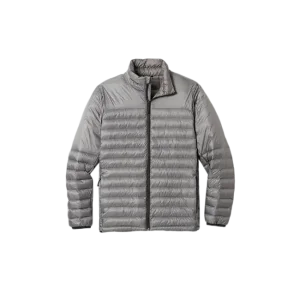
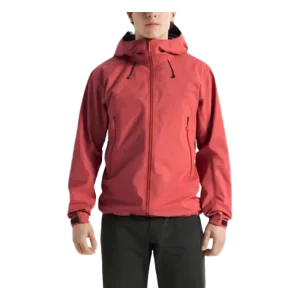
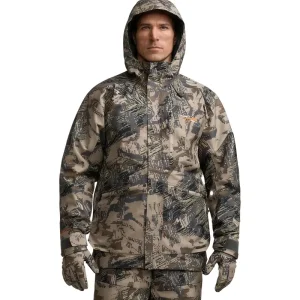
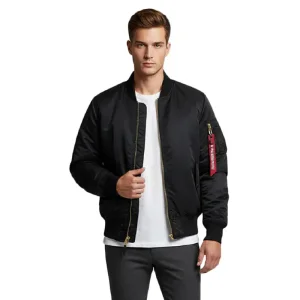
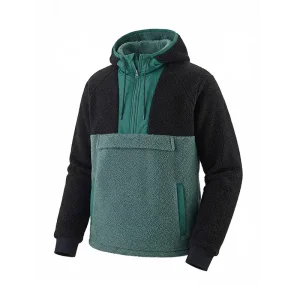
Environment: Sub-zero temperatures (-20°C to -5°C), high abrasion from snow/ice, heavy moisture exposure.
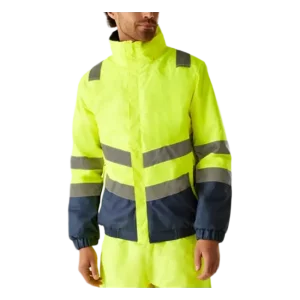
Environment: Harsh rainy weather, low-visibility industrial construction zones, highway maintenance.
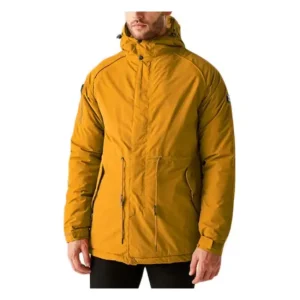
Environment: Dense forest, rugged terrain, variable alpine weather conditions requiring high mobility.
Environment: Daily city transit, sudden downpours, lightweight travel packing.
How Strategic Industrial Clustering in Foshan Delivers Speed, Quality Control, and Unmatched Cost Efficiency
Located in Nanhai District, Foshan, Guangdong, our factory operates within a 50 km radius of the world's dense technical fabric weaving, dyeing, membrane lamination, and trim supply network. This proximity eliminates raw material transit delays and enables rapid sourcing of specialized hardware (YKK, SBS, Duraflex).
Our workshop transitioned to Just-In-Time (JIT) one-piece flow hanging systems. This lean production system minimizes Work-In-Progress (WIP) inventory, drastically reduces garment handling marks, and enables consistent 30-45 day bulk production turnarounds.
We empower growing brands by offering a low minimum order quantity of 100 pieces per style (splittable across colors and sizes). For strategic development programs, we also support 50-piece pilot runs on in-stock performance fabrics to validate market readiness.
Three-Tier Quality Inspection Protocol (AQL 2.5 Standard): Every order produced at Guangdong Ruiniu Garment Manufacturing Co., Ltd. undergoes rigorous quality gates: (1) Incoming Fabric Audit utilizing the 4-Point System; (2) In-Line Patrol Audits conducted every 2 hours during seam taping and assembly; (3) 100% Final Garment Inspection including hydrostatic head spot testing under laboratory pressure chambers before retail packaging.
Defensible Audits, Environmental Documentation, and Comprehensive International Trade Execution
We ensure that all environmental and performance declarations made by your label are fully supported by verifiable factory documentation. Our material inputs are sourced from certified partners holding globally recognized credentials:
Partnering with Ruiniu eliminates communication barriers and technical guesswork. Our dedicated B2B export team provides comprehensive support tailored to foreign buying offices:
Detailed Insights into Minimums, Lead Times, Technical Specifications, and Factory Workflows
Our standard manufacturing MOQ is 100 pieces per style. This quantity can be split across multiple colorways (e.g., 50 pcs Black / 50 pcs Navy) and a full size run (S through 3XL). For brand startup programs or novel tech-pack evaluation, we also accommodate 50-piece pilot runs using our curated in-stock technical fabric library, allowing you to conduct market testing prior to committing to larger bulk buys.
Every fabric lot undergoes internal hydrostatic head testing using automated hydrostatic pressure testers operating under ISO 811 standards (measuring water column height up to 30,000mm). Moisture vapor transmission rates (MVTR) are tested via JIS L1092 Method B1 (Inverted Cup). Furthermore, we partner with independent third-party laboratories such as SGS, Intertek, and Bureau Veritas to provide official test certification upon buyer request.
Once tech packs or reference samples are received, proto samples are delivered within 7 to 10 working days. Bulk production typical lead times range between 30 and 45 days following Pre-Production (PP) sample approval and fabric delivery. Complex 3-Layer taped-seam garments or specialized custom-dyed Pantone colorways sit at the upper end of this timeline, which is strictly locked in via contract prior to deposit.
Yes. Our engineering division operates a dedicated ODM design studio equipped with 3D CLO digital patterning software. You can provide a design sketch, mood board, or physical reference garment, and our technicians will generate 3D digital fit renderings, graded pattern files, Bill of Materials (BOM), and material trim proposals for your review before cutting physical fabric.
Seam tape adhesion is ensured through precise temperature, speed, and roller-pressure matching tailored specifically to the chemical formulation of the membrane (TPU vs. ePTFE). Tape peel-strength tests are conducted twice daily on the production line. For down jackets, we employ down-proof anti-migration coated linings, 70/30 or 90/10 RDS-certified down blown via automated digital weighing stations, and micro-needle anti-friction stitching to restrict down movement to under 0.3% leakage tolerance.
Explore additional OEM/ODM product solutions manufactured under ISO9001 quality controls.
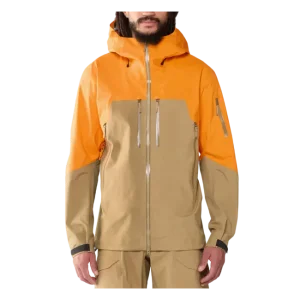
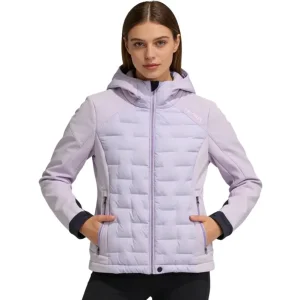
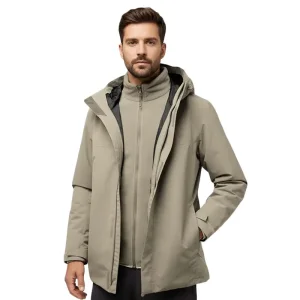
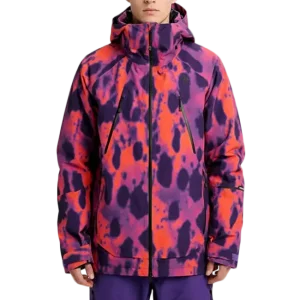
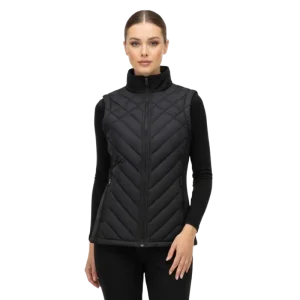
Send your tech pack, target hydrostatic specs, or reference garment to our senior engineering team for instant feasibility analysis and BOM quotation.