Engineered to meet rigorous European CE performance benchmarks and optimized for North American & Mexican distribution channels.
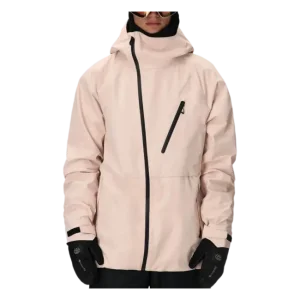
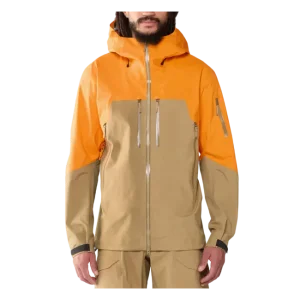
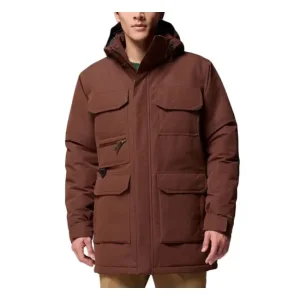
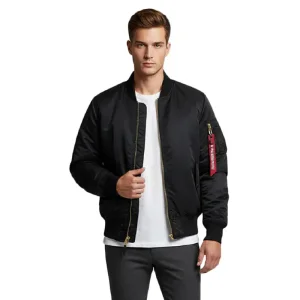
The Latin American outdoor apparel market is experiencing a structural evolution. Driven by rapid growth in outbound snow sports travel from major urban centers like Mexico City (CDMX), Monterrey, and Guadalajara to premier North American and South American resorts (such as Vail, Aspen, Valle Nevado, and Portillo), the demand for high-spec, CE-certified ski wear has surging across Mexican retail and institutional distribution networks.
While Mexico has historically established a formidable domestic apparel manufacturing sector in basic cut-and-sew textiles, **technical ski wear manufacturing requires highly specialized machinery**, including automated seam-sealing bonding lines, hydrostatic head testing chambers, and lamination machinery capable of handling 3-layer (3L) microporous membranes. Consequently, Mexican outdoor brands, private labels, and commercial buyers are increasingly forming strategic ODM/OEM manufacturing partnerships with specialized global factories that hold verified CE certifications.
Furthermore, Mexico's unique geographical positioning—functioning as a nearshoring hub for North American trade under the USMCA (United States-Mexico-Canada Agreement)—means Mexican outdoor gear distributors frequently re-export finished garments into the United States and Canada. To pass stringent customs audits and technical standards in these markets, garments must carry standardized international certifications (CE EN 343 for waterproofing, EN 342 for cold protection, and OEKO-TEX Standard 100 for chemical safety).
For Mexican buyers importing custom ski jackets, snow pants, and alpine shells, CE certification is not merely a marketing badge—it is a legal assurance of Personal Protective Equipment (PPE) compliance under European Regulation (EU) 2016/425, widely accepted across global custom regulatory agencies. When contracting a ski wear factory, buyers must verify compliance with four specific standards:
Measures water penetration resistance (Class 1 to 4) and water vapor resistance (breathability). High-tier ski garments manufactured for Mexican resorts or export achieve **Class 4:4**—resisting pressure >20,000 Pa after pretreatments.
Certifies thermal insulation properties in sub-zero environments down to -40°C. Validates resultant effective thermal insulation (Icler) and air permeability (Class 1 to 3) for extreme alpine mountaineering on Mexican peaks like Pico de Orizaba.
Guarantees non-toxicity of dyes, PFC-free DWR (Durable Water Repellent) surface treatments, zero heavy metals, and ergonomic sizing standards compliant with international anthropometric databases.
| Certification Standard | Testing Parameter | Target Performance Threshold | Relevance to Mexico & LatAm Buyers |
|---|---|---|---|
| CE EN 343 (Waterproofness) | Hydrostatic Head Pressure (ISO 811) | ≥ 15,000 mm to 20,000 mm H₂O | Prevents moisture penetration under heavy snowpack pressure during prolonged alpine exposure. |
| CE EN 343 (Breathability) | Water Vapor Transmission (JIS L1092) | ≥ 10,000 to 15,000 g/m²/24h | Ensures rapid sweat evaporation during high-exertion touring, preventing hypothermia. |
| EN 342 (Thermal Protection) | Thermal Resistance (RCT & Icler) | 0.310 to 0.450 m²·K/W | Essential for high-altitude cold weather expedition gear and low-temperature resort ski wear. |
| OEKO-TEX Standard 100 | Formaldehyde, Arylamines, Heavy Metals | Zero Harmful Chemical Residue | Simplifies customs clearance into Mexico (NOM regulations) and ensures consumer eco-safety. |
Constructing high-performance ski wear for private labels requiring CE certification involves precise textile engineering. Modern ski outerwear relies on multi-layer membrane technology designed to shield against wet snow, biting winds, and internal condensation.
Integrates a durable outer shell (e.g., 75D/150D Recycled Ripstop Nylon), an ePTFE or TPU waterproof microporous membrane, and a lightweight tricot backing into a single bonded structure. Offers maximum abrasion resistance and weight efficiency for backcountry touring.
Every needle puncture created during sewing is sealed using multi-axis hot-air seam taping machines operating at 300°C–400°C with 3-layer waterproof tape. Ultrasonic bonding is utilized for pocket flaps and internal sleeve cuffs to eliminate bulk.
Strategic fill placement: utilizing RDS (Responsible Down Standard) 700+ fill power duck/goose down around the core, paired with synthetic micro-loft (Primaloft/3M Thinsulate) at high-moisture zones like armpits and cuffs to maintain warmth when wet.
Navigating international apparel procurement requires a manufacturing partner capable of streamlining everything from CAD pattern prototyping to custom duty documentation for Mexican entry (Pedimento Aduanal).
To assist emerging Mexican outdoor labels and established distributors testing new product lines, modern factories provide **agile 100-piece Minimum Order Quantities (MOQ)** per style, splittable across colorways and sizes. Rapid sample development teams deliver fully graded proto-samples in 7–10 working days using 3D CLO software, reducing pattern revision cycles by 50%.
Ski wear tailored for the Latin American market requires specific anthropometric adjustments compared to standard Asian fit. We incorporate broader shoulder blocks, articulated sleeve curves, and extended torso lengths. Hardware customisation includes YKK AquaGuard® waterproof zippers, RECCO® avalanche rescue reflectors, silicone powder skirts, and custom laser-cut reflective branding.
We provide comprehensive FOB, CIF, or DDP (Delivered Duty Paid) logistics directly to major Mexican ports including **Manzanillo, Lázaro Cárdenas, and Veracruz**, as well as air freight dispatch to CDMX (MEX). Full commercial invoices, packing lists with barcode integration, and Certificates of Origin are executed to ensure frictionless clearance through SAT (Servicio de Administración Tributaria).
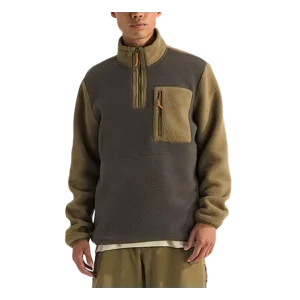
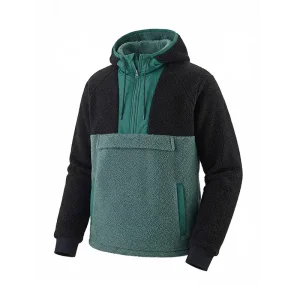
Explore our full line of waterproof rain shells, 3-in-1 systems, reflective safety wear, and cold-weather parkas engineered for high-altitude endurance.
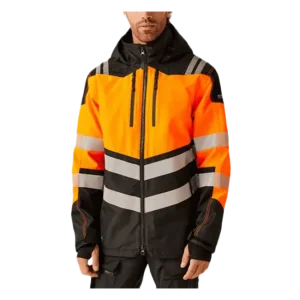
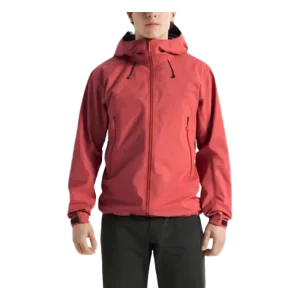
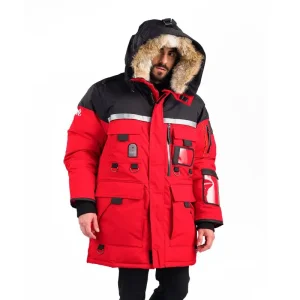
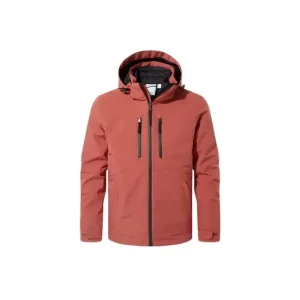
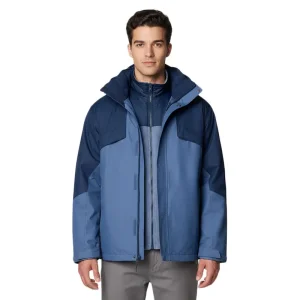
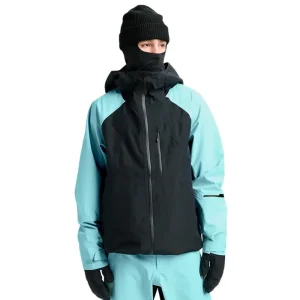
To guarantee zero defect rates on complex CE-certified ski garments shipped to Mexican ports, our factory enforces a rigorous **3-Tier Inspection System** aligned with AQL 2.5 standards:
100% raw material testing using the 4-point system. Waterproof membranes undergo hydrostatic pressure testing (ISO 811) and colorfastness audits prior to cutting.
Hourly visual and pneumatic testing of heat-sealed seam tape joints. Every 500 meters, seam swatches are destructively pull-tested for adhesive bond strength.
Finished garments undergo full water-spray chamber tests, zipper cycle stress testing, measurement verification against tech packs, and barcode accuracy scans.
As consumer awareness around sustainability increases in Mexico and North America, our technical roadmap emphasizes eco-friendly fabric innovations without sacrificing technical metrics:
Key answers addressing certification, tariffs, lead times, and customization for procurement managers in Mexico and Latin America.
Elevate your outdoor brand with CE-certified, waterproof, high-altitude alpine apparel. Send us your tech packs, target price points, or sample requests today for an immediate engineering assessment.
Send Inquiry Now