Standardized tactical, mid-layer, and high-visibility softshell solutions designed for global industrial procurement programs.
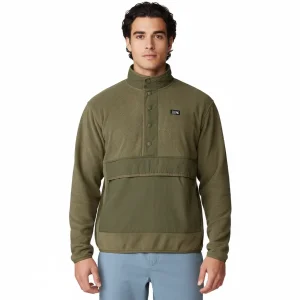
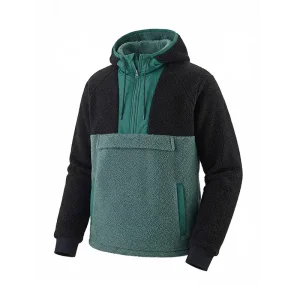
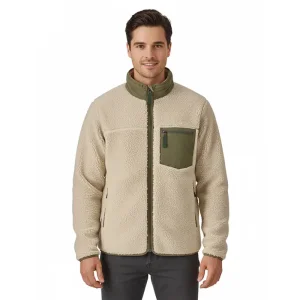
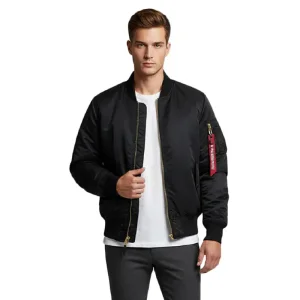
How the convergence of Bangladesh’s mega-scale RMG manufacturing hub and China’s advanced technical textile R&D delivers unmatched information gain and commercial value for global B2B procurement.
Bangladesh stands as the world's second-largest Ready-Made Garment (RMG) exporter, anchored by dense industrial clusters across Dhaka, Gazipur, Narayanganj, and Chittagong. Historically dominated by basic cotton knits and woven shirts, the Bangladeshi garment sector is undergoing a massive structural shift toward high-value Personal Protective Equipment (PPE) and complex technical outerwear.
Driven by major infrastructure investments, green factory certifications (LEED certified facilities), and international compliance rigor under the Nirapon and RSC frameworks, Bangladesh softshell suppliers now handle intricate multi-layer garment assembly capable of passing stringent European Union CE standard audits.
Softshell jackets represent an engineering synthesis of outer woven shells, waterproof-breathable TPU/ePTFE membranes, and inner insulating fleece liners. Achieving consistent 3-layer bonding and 10,000mm hydrostatic head performance requires high-tech synthetic mill capacity located predominantly in Guangdong and Zhejiang, China.
By deploying a China-to-Bangladesh Supply Hub Model, technical membrane laminates are engineered in China's state-of-the-art mills, shipped under tax-exempt bonded warehouse status to Bangladesh, and meticulously assembled by skilled labor. This synergy provides global brand owners with duty-free advantages (EU GSP / Everything But Arms access), competitive labor scale, and rigorous CE compliance.
Every softshell jacket exported through our accredited supply chain undergoes rigorous multi-stage physical testing to meet European Personal Protective Equipment (PPE) Regulation (EU) 2016/425.
Detailed breakdown of mandatory safety testing, fabric lamination performance, and compliance documentation for softshell workwear exported from Bangladesh.
| EU Harmonized Standard | Technical Objective | Testing Criteria & Parameters | Application & Industry Use |
|---|---|---|---|
| EN ISO 13688:2013 | General Workwear Requirements | Ergonomics, innocuousness, size designation, colorfastness to laundering, and dimensional stability (≤ 3%). | Foundational requirement for all CE-marked protective jackets. |
| EN 343:2019 | Protection Against Rain & Wet Weather | Water Penetration Resistance (Class 1-4) & Water Vapor Resistance (RET rating under ISO 11092). | Outdoor construction, logistics, municipal maintenance, civil engineering. |
| EN ISO 20471:2013+A1 | High-Visibility Warning Clothing | Fluorescent background material color coordinates, retroreflective tape performance after 50 wash cycles. | Airport ground handling, railway operations, highway work, port logistics. |
| EN 14058:2017 | Garments for Protection Against Cool Environments | Thermal insulation (RCT), air permeability (AP Class 1-3), and water penetration resistance (-5°C to +10°C). | Cold storage logistics, seasonal outdoor labor, high-altitude operations. |
Hydrophilic TPU membranes sandwiched between 92% Polyester / 8% Elastane outer shell and micro-fleece inner backer. Ensures total windproofing while releasing moisture vapor.
Hot-air polyurethane seam sealing tape applied to needle penetrations. Prevents water ingress under high hydrostatic pressure (tested at 13-15mm tape width).
C0 Durable Water Repellent (DWR) surface finishes compliant with EU REACH regulations and OEKO-TEX Standard 100 Annex 6, maintaining eco-friendly water beadability.
From Bangladesh’s mega infrastructure projects to European logistics corridors, explore how specialized softshell workwear protects personnel across diverse sectors.
Major national infrastructure endeavors—such as the Padma Bridge rail link, Dhaka Metro Rail (MRT), Matarbari Deep Sea Port, and Rooppur Nuclear Power Plant—demand rugged protective outerwear capable of withstanding monsoon downpours, high humidity, and intensive abrasion.
Global enterprise buyers in Germany, the UK, Scandinavia, and North America require softshell uniforms that balance corporate branding aesthetic with heavy-duty protection for fleet drivers, telecom technicians, and cold-chain warehouse operators.
Explore our full line of export-ready outerwear options manufactured to international buyer specifications.
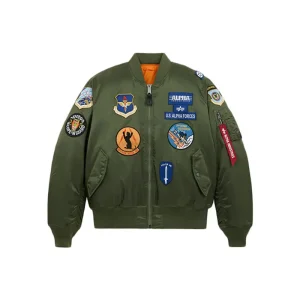
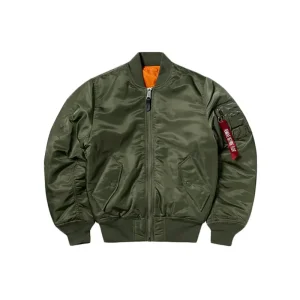
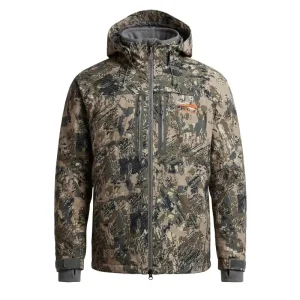
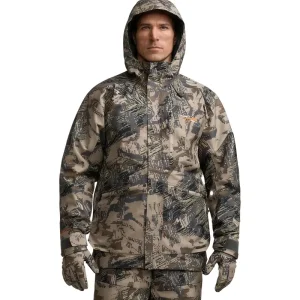
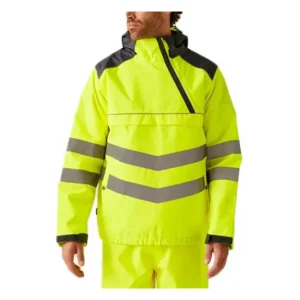
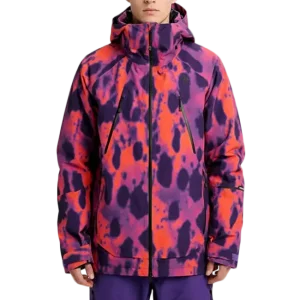
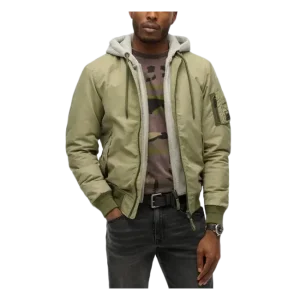
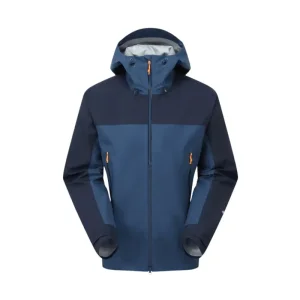
How our joint production lines maintain AQL 1.5 standards across multi-thousand piece workwear export programs.
Every lot of TPU laminated fabric imported from China undergoes 4-Point System inspections (ASTM D5430), hydrostatic pressure testing, and shade grading under standard D65 illuminants.
Computerized Gerber/Lectra cutters achieve >88% marker efficiency, ensuring precise panel geometry necessary for ergonomic sleeve articulation and seam sealing alignment.
Hot-air seam taping machines are calibrated every 2 hours for temperature (350°C-420°C) and pressure, verifying peel strength (>15 N/2.5cm under ISO 2411).
Addressing technical, regulatory, and logistics queries for exporting CE softshell jackets from Bangladesh.
CE marking under PPE Regulation (EU) 2016/425 requires Type Examination Certification (Module B) conducted by an EU Notified Body (such as SGS, SATRA, or TÜV Rheinland). Fabrics, retroreflective tapes, and hardware are pre-tested for compliance (EN ISO 20471, EN 343). Technical Files and EU Declarations of Conformity (DoC) are compiled with complete factory batch audit trails before export clearance.
Standard bulk production MOQ is 500 pieces per style across full size runs and standard colorways. Sample prototype turnaround takes 7–10 working days. Bulk production requires 30–45 days following Pre-Production (PP) sample sign-off and raw material customs clearance under Bangladesh Bonded Warehouse licenses.
Under the European Union’s GSP (Everything But Arms - EBA) scheme, Bangladeshi garments enter the EU market zero-rated (0% duty). Similar duty-free access applies to the UK, Canada, Australia, and Japan. For US buyers, competitive manufacturing costs offset standard tariffs, delivering lower landed FOB Chittagong pricing compared to traditional direct shipping origins.
Softshell fabrics are bonded using reactive polyurethane (PUR) hot-melt adhesives applied via micro-dot gravure rollers. This prevents delamination even after 50+ wash cycles at 60°C. Hydrostatic pressure tests (ISO 811) are conducted both pre-wash and post-wash to ensure lifetime waterproof integrity.
Request technical specs, sample lab-dips, or a comprehensive FOB quote from our technical engineering team.
Send Inquiry Now