1. Executive Industry Report: Seoul's Snowboard & Technical Apparel Ecosystem
The Metropolitan Area of Seoul represents one of East Asia’s most sophisticated, fast-moving retail environments for outdoor apparel and winter sports gear. As the gateway to South Korea’s premier snow resorts in Gangwon-do (such as Yongpyong, Vivaldi Park, and Alpensia), Seoul functions as both a commercial headquarters for major retail groups and an incubator for boutique "Gorpcore" fashion labels situated across districts like Seongsu-dong, Gangnam, and Dongdaemun.
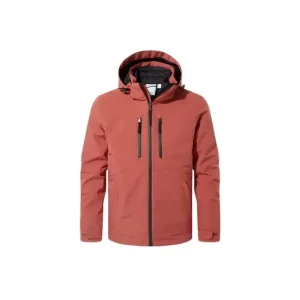
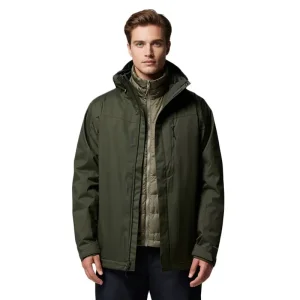
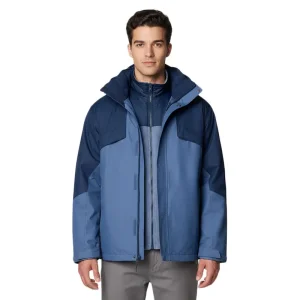
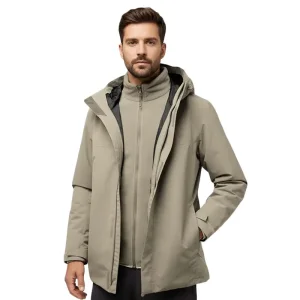
In recent years, consumer demand in Seoul has shifted heavily toward versatile, technical 3-in-1 modular jackets capable of seamlessly transitioning from urban commutes during freezing sub-zero Siberian winds to extreme alpine environments on snow slopes. For overseas apparel brands, Korean apparel importers, and private-label distributors, selecting a specialized manufacturing partner equipped with high-tier 2L/3L lamination technologies, automated seam-sealing lines, and strict compliance with South Korea's safety regulations is paramount.
2. Macro Industry Trends Shaping South Korea's Snowwear Sector
To capture sustainable market share within Seoul's competitive retail landscape, exporters and original equipment manufacturers (OEM/ODM) must align production parameters with three defining industrial shifts:
Urban Gorpcore Hybridization
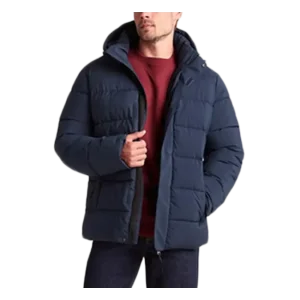
Seoul fashion consumers demand sleek, minimalist visual aesthetics paired with hardcore alpine utility. Oversized freeride silhouettes, drop-shoulder cuts, concealed pocketing, and muted matte tones (earth greens, charcoal, slate blue) dominate downtown retail spaces.
PFC-Free DWR & Sustainability
Driven by strict environmental awareness and Eco-Label directives in South Korea, leading Seoul distributors require bluesign® certified recycled fabrics and fluorocarbon-free (PFC-Free C0) Durable Water Repellent finishes that pass stringent wash durability tests.
Modular 3-in-1 Adaptability
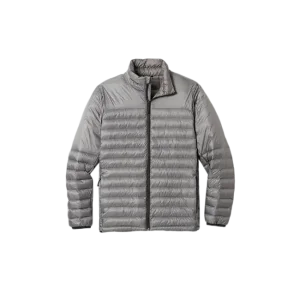
Variable seasonal weather across Korea makes modularity essential. A heavy 3L weatherproof shell coupled with an independent zip-in RDS 700-fill down jacket or GRS-certified thermal fleece provides year-round retail turnover for Korean buyers.
3. Technical Engineering & Information Gain Matrix
Building high-specification snowboard wear requires complete control over chemical membranes, thread tensions, micro-seam taping, and cold-weather mechanical stretch. Below is our engineering benchmark for export orders bound for Seoul:
| Performance Indicator | Testing Protocol / Standard | Technical Specification | Commercial Application in Seoul |
|---|---|---|---|
| Hydrostatic Waterproofness | JIS L1092 Method B / ISO 811 | 15,000mm – 20,000mm H2O | Heavy wet snow on Gangwon alpine slopes & driving rain |
| Breathability (MVTR) | JIS L1099 B-1 / inverted cup | 10,000g – 15,000g/m²/24h | High-exertion backcountry snowboarding & hiking |
| Seam Sealing & Taping | Hot air pressure welding (13mm/20mm) | 3-layer PU / TPU adhesive tape | 100% micro-gap exclusion at high-stress shoulder/neck seams |
| Down Thermal Liner Fill | IDFL Certified / RDS Traceable | 650 – 800 Fill Power (90/10 Duck/Goose) | Sub-zero Siberian freeze protection (-15°C to -25°C) |
| Zippers & Hardware | BS 3084 / YKK AquaGuard® | Vislon® Watertight Matte TPU Zips | Freeze-resistant zip tracks & glove-friendly rubber pullers |
| Abrasion Protection | ASTM D3884 / Martindale | 500D Kevlar/Cordura Reinforcements | Anti-cut ski edge guards on scuff cuffs & hem panels |
4. South Korea Regulatory Compliance & Localized Support (KC Mark)
Exporting apparel into South Korea requires compliance with the Electrical Appliances and Consumer Products Safety Control Act. All garments entering Seoul distribution channels must meet the KC (Korea Certification) Mark standards for textile goods. As an experienced exporter, our manufacturing plants ensure full compliance before dispatch:
- Formaldehyde & Heavy Metal Testing: Strict adherence to Safety Confirmation thresholds (< 75 mg/kg for direct skin contact, zero banned azo dyes).
- Phthalate Content Limits: Soft trims, screen-printed branding, and rubber pullers are certified free of DEHP, DBP, and BBP compounds.
- Korean Wash Care Labeling: Accurate fiber content composition breakdown in Korean (한국어 표기) alongside country-of-origin tags and importer code integration.
- Streamlined Freight & Logistics: Direct shipping routes from our Foshan production hub via Shenzhen/Guangzhou ports to Incheon Port (인천항) or Gimpo Airport within 3 to 5 transit days.
5. Manufacturing Technology Roadmap (2026–2030)
Our facility integrates digital engineering solutions to eliminate production waste and accelerate turnaround times for Seoul apparel clients:
3D CLO Digital Prototyping
Using 3D garment simulation software, we convert buyer tech packs into virtual samples within 48 hours, perfecting Asian East-Fit block grading and reducing physical sample revisions by over 70%.
Laser Cutting & Automated Spreading
Computerized nesting algorithms push fabric efficiency above 88%, while high-precision laser cutters heat-seal synthetic fabric edges to prevent fraying on technical softshell lines.
Automated Down Injection
Fully sealed blow-filling rooms with micro-gram weight sensors guarantee balanced down distribution across baffle channels with zero feather leakage tolerance.