Engineered specifically for Canadian climatic conditions ranging from Vancouver coastal moisture to Yukon sub-zero extremes.
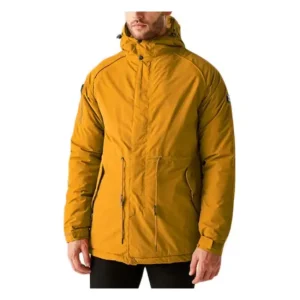
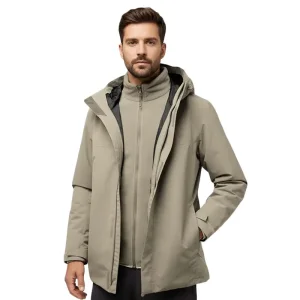
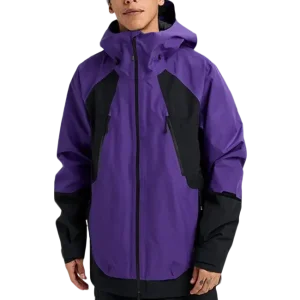
Canada represents one of the world's most demanding consumer and commercial environments for cold-weather apparel. Characterized by freezing winter polar vortexes, severe maritime moisture, and immense geographical diversity—from coastal British Columbia to the Arctic tundra of Nunavut—the Canadian outerwear market demands uncompromised thermal engineering, strict material compliance, and relentless structural durability.
In recent years, the market dynamics within Canada have shifted dramatically. While heritage luxury labels have established baseline expectations for highfill-power down parkas, corporate procurement managers, outdoor brands, and retail chain buyers are increasingly seeking direct-to-factory OEM/ODM manufacturing partners capable of delivering equivalent or superior thermal performance at competitive manufacturing margins. This whitepaper analyzes the technical standards, supply chain architectures, and localized application parameters governing down jacket sourcing for Canada.
Core Intelligence: Sourcing down outerwear for the Canadian market requires balancing extreme thermal efficiency (CLO values > 4.5) with eco-conscious hydrophobic coatings (PFC-free DWR) and robust compliance with CGSB textile performance regulations.
Canada cannot be treated as a monolithic cold-weather market. A successful down outerwear sourcing strategy requires precise micro-climate customization across four primary geographic zones:
Unlike interior freezing zones, Pacific maritime conditions feature wet snow, sleet, and temperatures fluctuating between -5°C and +5°C. Down outerwear destined for this region must utilize hydrophobic treated down (RDS goose/duck with fluorocarbon-free silicone DWR treatment) paired with 2.5-layer or 3-layer fully seam-taped waterproof breathable membranes (minimum 15,000mm Hydrostatic Head).
In Alberta, Saskatchewan, and Manitoba, moisture penetration is secondary to extreme sub-zero thermal insulation and windproof sealing. Baffle construction shifts to box-wall or continuous thermal chamber layouts packed with 700 to 850 Fill Power duck/goose down. Shell fabrics require high tear strength (e.g., 840D Cordura® or high-tenacity nylon ripstop) to resist fabric embrittlement caused by freezing winds.
Urban consumers demand sleek aesthetic profiles without sacrificing thermal reliability during outdoor waits at transit stops or walking between heated buildings. Key engineering includes multi-density hybrid insulation (down core with synthetic fill in moisture-prone underarm zones), fleece-lined handwarmer pockets, internal tablet sleeves, and magnetic storm flap closures.
Commercial workwear parkas for industrial mining, energy exploration, and forestry require compliance with CSA Z96 (High-Visibility Safety Apparel) standards. Down outerwear built for these sectors combines Flame Retardant (FR) outer shells, 3M™ Scotchlite™ retro-reflective striping, and ultra-heavy-duty two-way YKK® Vislon® zippers operable with thick arctic work gloves.
Sourcing high-performance technical down apparel requires seamless integration between raw material processing, precision pattern engineering, down cleaning/sorting, and automated assembly line execution. Guangdong Ruiniu Garment Manufacturing Co., Ltd., based in Foshan, represents the apex of Chinese technical outerwear manufacturing capability.
Equipped with fully computerized multi-nozzle down filling systems operating in positive-pressure clean rooms. Down mass per chamber is metered with ±0.01 gram precision, eliminating thermal cold spots and guaranteeing absolute consistency across volume production runs.
Situated in China's prime textile hub, Ruiniu enjoys direct access to GRS-certified recycled nylon suppliers, bluesign® approved lamination mills, and RDS down processing plants. This localized supply chain cuts raw material procurement lead times by up to 40%.
Unlike traditional mass factories requiring 2,000+ units per style, Ruiniu supports agile Canadian boutique brands and pilot runs with MOQs starting at 100 pcs per style, with 3D CLO digital fit samples generated in 48 hours and physical proto samples in 7-10 days.
| Engineering Specification | Standard Global OEM Suppliers | Guangdong Ruiniu Garment Standard |
|---|---|---|
| Down Insulation Traceability | Self-declared down sourcing certificates | 100% RDS (Responsible Down Standard) + GRS certified trackable batch code |
| Down Fill Power Options | 500 - 650 FP Duck Down | 600 - 850+ FP Duck & Goose Down (IDFL Lab Validated) |
| Down Leakage Tolerance | ≤ 5 feathers per wear test cycle | ≤ 0.3% down leakage via German anti-down ball needle & heat-sealed baffle tech |
| Membrane Lamination Rating | 5,000mm Hydrostatic Head / 3,000g Breathability | 15,000mm - 20,000mm HH / 10,000 - 20,000g/m²/24h MVTR |
| Sub-Zero Seam Integrity | Standard PU Seam Sealing Tape (cracks at -15°C) | Ultra-low temperature flexible TPU / 3-Layer seam sealing (-40°C rated) |
As Canadian buyers align with stricter global environmental mandates and heightened consumer performance standards, OEMs must continuously innovate across raw material science, construction physics, and circularity.
Traditional needle stitching pierces outer fabrics, creating tens of thousands of micro-holes through which down filaments leak and wind penetrates. Welded baffle technology uses ultrasonic wave fusing or thermal bonding tapes to create hermetically sealed insulation chambers, boosting windproofing by 100% and completely eliminating down migration.
Next-generation Canadian parkas incorporate graphene print matrices or far-infrared (FIR) conductive linings onto interior fabrics. Graphene rapidly absorbs body heat, distributing it evenly across the garment torso, reducing the required down fill weight by up to 15% while achieving identical CLO warmth ratings.
With Canadian regulations moving swiftly to eliminate Per- and Polyfluoroalkyl Substances (PFAS/PFCs) in consumer textiles by 2026, Ruiniu offers 100% C0 Bio-based DWR finishes paired with GRS-certified recycled mono-material nylon shells (Nylon 6,6), enabling end-of-life garment recyclability.
Before placing volume production orders with overseas down jacket manufacturers, procurement teams must verify that the factory satisfies four critical technical and compliance benchmarks:
Ensure down fill materials meet Canadian Down and Feather Products Association (CDFPA) rules and health import requirements. Down must undergo multi-stage detergent washing, 120°C high-pressure steam sterilization, and achieve an Oxygen Turbidity value ≥ 1000mm and Fat/Oil content ≤ 0.8%.
Navigating Canadian Customs (CBSA) requires precise Bill of Materials (BOM) drafting. Down-filled garments typically fall under HS Code 6201.93 (Men's down parkas) or 6202.93 (Women's down parkas). Ruiniu provides complete documentation to optimize duty classification under active trade channels.
Bulk production should follow strict ISO 2859-1 (AQL 2.5 Major / 4.0 Minor) sampling standards. Inspection must include 100% seam strength testing, zipper puller torque testing (≥ 80N), and down weight spot verification prior to container loading.
Canadian consumers hold brands to rigorous labor and environmental safety standards. Ruiniu's Foshan facility maintains audited ISO 9001, ISO 14001, and ISO 45001 management certifications alongside third-party SMETA and BSCI social compliance verification.
Select any of our core manufacturing platforms below to customize specifications, fabric layers, and branding for your market.
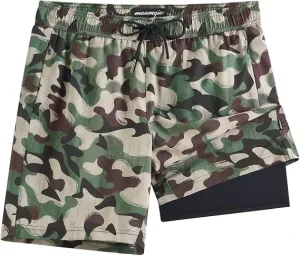
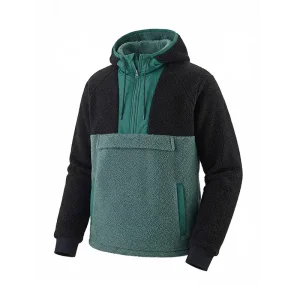
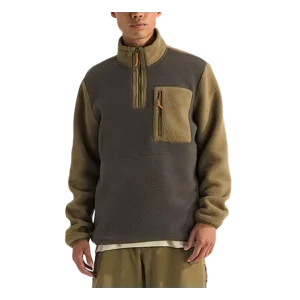
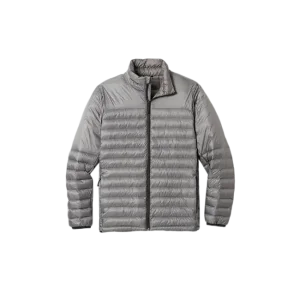
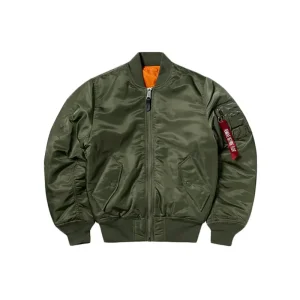
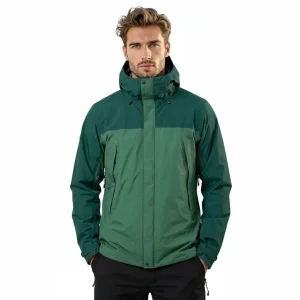
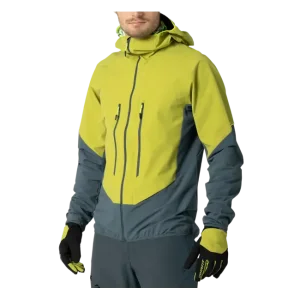
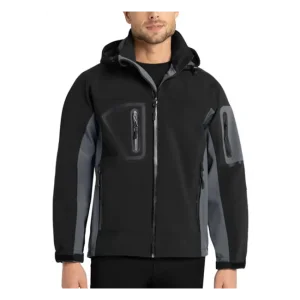
Everything you need to know about engineering, ordering, custom branding, and shipping down apparel to Canada.
Our standard production MOQ is 100 pieces per style, which can be split across multiple colorways and a full Canadian size run (XS to 3XL). For custom development programs on selected in-stock functional fabrics, we also offer 50-piece pilot runs to help emerging brands test the market before full-scale manufacturing.
All duck and goose down used in our Foshan facility is 100% sourced under the Responsible Down Standard (RDS) or Global Recycled Standard (GRS). Every shipment comes with batch-level Transaction Certificates (TC) issued by independent auditing bodies (such as IDFL or Control Union), guaranteeing complete chain-of-custody and animal welfare compliance required by Canadian retailers.
Initial 3D digital fit samples take 48 hours. Physical prototype samples are delivered in 7 to 10 working days. Bulk production typically takes 30 to 45 days following pre-production sample sign-off and fabric arrival. Express ocean shipping from Shenzhen/Guangzhou ports to Vancouver takes approximately 14-18 days, and to Toronto/Montreal via rail bridge takes 22-26 days.
Yes. We have fully transitioned our fabric lamination options to meet upcoming Canadian environmental restrictions. We offer 100% fluorine-free (C0 DWR) water-repellent treatments paired with non-PFC waterproof breathable polyurethane (PU) or polyester (TPE) membranes that achieve up to 20,000mm hydrostatic head performance.
Down proofing is achieved through a 4-tier engineering approach: 1) Using high-density micro-denier down-proof nylon/polyester fabrics (min. 290T count); 2) Applying an internal down-proof cire or microporous coating; 3) Utilizing special German-engineered rounded anti-down sewing needles that push yarns aside rather than severing fibers; and 4) Applying continuous heat-sealed baffle tapes or double-walled down bags for ultra-light constructions.
We provide both complete OEM and full ODM solutions. Our in-house pattern masters and 3D CLO engineers can transform rough sketches, mood boards, or physical reference samples into tech packs, 3D digital garments, graded size specs, trim sourcing, and complete production BOMs tailored specifically for Canadian market sizing and fit preferences.
Partner directly with Guangdong Ruiniu Garment Manufacturing Co., Ltd.—your trusted Guangdong OEM/ODM engineering factory for technical outerwear since 2002. Get factory-direct pricing, certified fabric cards, and expert tech pack review within 24 hours.