



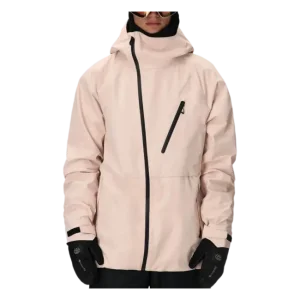
Precision-engineered waterproof shells, multi-layer thermal systems, and high-altitude expedition coats tailored for extreme equatorial cold climates.
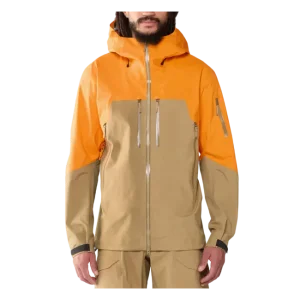
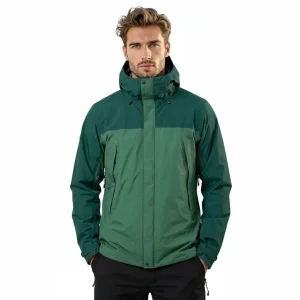
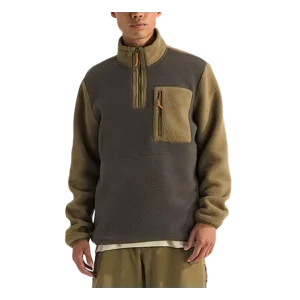
Analyzing the shift in East African apparel procurement: High-altitude trekking demand, safari night thermal requirements, and Kenya’s emergence as a regional trade gateway.
While Kenya is widely recognized globally for its tropical savannahs and equator-straddling coastline, its unique geographical diversity creates substantial demand for highly technical, weather-resistant outerwear. Mount Kenya (Batian peak at 5,199m, Nelion at 5,188m, and Point Lenana at 4,985m) represents Africa's second-highest summit. It features permanent ice caps, glaciers, and severe sub-zero alpine microclimates where temperatures frequently plummet to -10°C to -15°C at night. Furthermore, regions across the Kenyan Highlands—including the Aberdare Range, Eldoret, Mau Escarpment, and Nakuru—experience prolonged cold snaps, high humidity, and torrential rains during the long wet seasons.
Historically, the East African market relied heavily on secondary hand-me-down outerwear imports (Mitumba) or sub-standard non-functional coats. However, over the past decade, a major structural economic transition has occurred across Nairobi, Mombasa, and regional hubs like Kisumu and Eldoret:
Over 15,000 international and domestic mountaineers scale Mount Kenya and Mount Elgon annually. Professional mountain guide associations, porter groups, and luxury trekking agencies require technical 3-Layer ski jackets and seam-sealed waterproof bibs to withstand freezing rains, heavy snowfalls, and extreme gale-force winds.
High-end luxury eco-lodges in Laikipia, Masai Mara, Samburu, and Aberdare operate night game drives where savannah temperatures plunge rapidly. Premium resorts mandate unified, earth-toned, windproof, thermal fleece-lined outerwear for guests, field guides, and hospitality staff.
The Kenya Wildlife Service (KWS) rangers, anti-poaching patrol units, national police services, and forestry officers operating in cold-altitude forest zones require durable, high-visibility, flame-retardant, and water-repellent safety workwear capable of enduring harsh scrub terrain.
How advanced membrane technology, eco-friendly textile chemistry, and ergonomic pattern construction define modern outdoor outerwear manufacturing.
The modern ski wear and outdoor jacket industry has evolved from bulky heavy-weight cotton parkas to multi-layer engineered membrane systems. For professional buyers in Kenya and globally, evaluating garments requires a deep technical understanding of fabric lamination, water column pressure testing, and moisture vapor transmission rates (MVTR).
High-quality technical ski jackets rely on either 2-Layer (2L), 2.5-Layer, or 3-Layer (3L) fabric laminates. In 3L constructions, the outer protective shell (usually high-tenacity Nylon 6,6 or Recycled Polyester Ripstop), the microporous TPU/PTFE membrane, and the inner protective tricot backer are permanently bonded together into a single unified fabric sheet. This prevents friction wear, eliminates internal humidity buildup, and offers supreme resistance against snow and violent torrential downpours.
| Performance Tier | Waterproofness (ISO 811) | Breathability (JIS L1092 B1) | Target Kenya Application |
|---|---|---|---|
| Resort / Lightweight | 10,000 mm H₂O | 8,000 g/m²/24h | Commercial safari game drives, urban winter gear, light rain protection. |
| Pro Alpine / Expedition | 15,000 - 20,000 mm H₂O | 10,000 - 15,000 g/m²/24h | Mount Kenya Lenana trekking, alpine climbing, high-altitude rescue teams. |
| Extreme Tactical / Extreme Ski | 25,000+ mm H₂O | 20,000 g/m²/24h | Mount Kenya peak ascents (Batian/Nelion winter ice), sub-zero storm conditions. |
Global regulatory landscapes, including the European Union REACH compliance and US EPA standards, have banned traditional C8 Fluorocarbon Durable Water Repellent (DWR) treatments due to persistent organic pollutants (PFOA/PFOS). Guangdong Ruiniu Garment utilizes next-generation PFC-Free C0 DWR coatings derived from plant-based matrixes. This ensures that ski wear shipped to Kenya meets global environmental standards while preserving water bead-off efficiency over 50+ industrial wash cycles.
Combining 23+ years of Foshan outerwear manufacturing precision with low MOQs, automated lamination tooling, and direct African logistics routes.
Founded in 2002 in Foshan, Guangdong, Ruiniu Garment has focused exclusively on cut-and-sew technical apparel. We don't produce cheap t-shirts or basic fashion shorts—our entire production complex is engineered for complex multi-panel bonded jackets, down baffles, seam-sealed shells, and safety workwear.
Emerging brands, private label importers, and lodge suppliers in Kenya often struggle with European factories demanding 2,000+ piece MOQs per colorway. Ruiniu supports growing brands with an accessible 100 pcs per style MOQ (splittable across sizes), delivered alongside 7–10 day fast-track sample development using 3D CLO digital fitting.
Every production run undergoes a rigorous 3-stage audit: 4-Point System fabric inspection upon arrival, in-line patrol checks every 2 hours during sewing, and 100% finished product water-column hydro-pressure testing prior to export packing.
We maintain complete export documentation handling FOB Guangzhou/Shenzhen, CIF Mombasa Port, or air freight to Jomo Kenyatta International Airport (JKIA), ensuring smooth customs clearance and zero demurrage delays for Kenyan clients.
Tailoring garment features for specific Kenyan terrain, from Mount Kenya glaciated peaks to night safari operations and city cold spells.
Climatic Threat: Rapid weather shifts, sub-zero nocturnal frosts, torrential rain at vertical bog altitudes (3,000m+), and gale-force wind chills at Point Lenana.
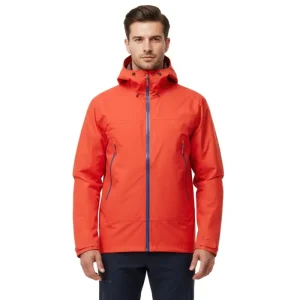
Required Garment Spec: 3-Layer 20,000mm waterproof/windproof outer shell with fully taped 13mm seam tape, YKK AquaGuard® waterproof zippers, helmet-compatible storm hoods, articulated sleeves for ice-axe maneuvering, and underarm pit-zips for thermal venting during steep ascents.
Climatic Threat: Open 4x4 game viewing vehicles driving into freezing savannah winds during dawn and night safaris, combined with dust exposure.
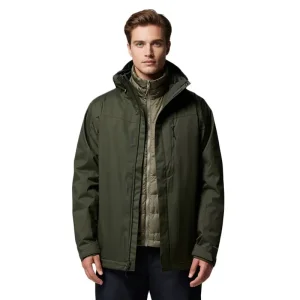
Required Garment Spec: Quiet-touch, non-rustling 3-in-1 modular jackets featuring a silent softshell outer coated in dirt-repellent DWR, paired with an inner zip-out RDS down liner or high-loft fleece jacket in khaki, olive green, or earth tones.
Climatic Threat: Heavy thorn scrub abrasion, dense forest moisture, and overnight freezing patrol shifts in Aberdare National Park.
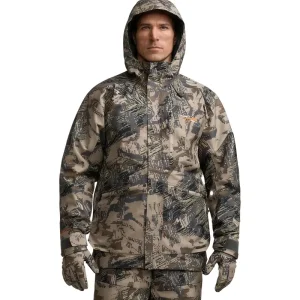
Required Garment Spec: High-visibility or tactical camouflage heavy-duty safety parkas with 3M™ Scotchlite™ retro-reflective tape, reinforced Cordura® elbow/shoulder patches, bar-tacked stress points, and dual-entry cargo utility pockets.
Climatic Threat: Cold drizzle, morning fog, and urban commuter weather in high-altitude cities like Nairobi (1,795m) and Eldoret (2,090m).
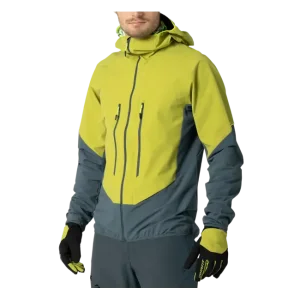
Required Garment Spec: Color-blocked lightweight softshell jackets, padded streetwear puffer coats, and versatile windbreakers with breathable mesh linings, tailored for modern urban fashion retailers.
How Ruiniu Garment executes zero-defect OEM/ODM production protocols for multinational corporate buyers and Kenyan institutional tenders.
Procuring technical outerwear overseas requires a standardized risk mitigation protocol. For Kenyan procurement directors and brand managers, a supplier must prove technical compliance across three primary vectors: raw material traceability, structural seam durability, and factory ethical auditing.
All functional face fabrics, membrane laminates, down fills, and zipper hardware sourced by Ruiniu undergo certified third-party testing prior to bulk cutting. We collaborate with internationally accredited testing bodies such as SGS, Intertek, and Bureau Veritas to issue verified test certificates covering:
Reviewing tech packs, establishing Bill of Materials (BOM), and delivering 5-day Pantone lab dips for buyer color approval.
Utilizing CLO 3D pattern grading to eliminate fit errors and minimize physical sampling iterations.
Constructing pre-production (PP) samples in our dedicated sample room for final structural and fit sign-off.
Achieving >88% fabric marker efficiency via computer-controlled automated knife-cutting machines.
Applying hot-air sealing tapes across all needle perforations with calibrated heat, pressure, and dwell time.
Executing final AQL 2.5 buyer-ready audit reports with video/photo evidence prior to container sealing.
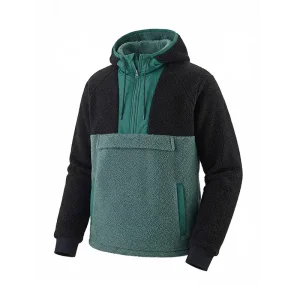
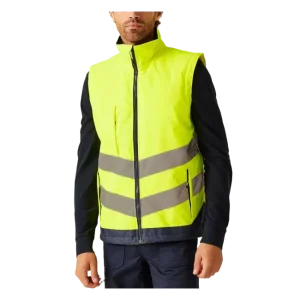
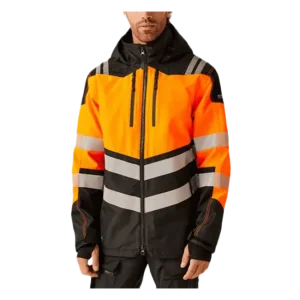
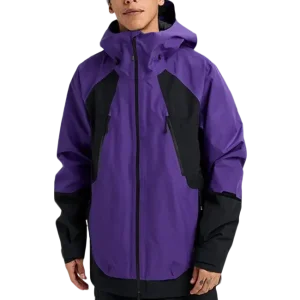
Explore our full line of insulated down coats, hi-vis reflective safety gear, softshell jackets, and multi-functional outdoor wear built for global export.
Everything you need to know about custom ski wear manufacturing, MOQs, shipping logistics to East Africa, and performance certification.
Send us your tech pack, sketch, or procurement tender details. Our expert textile engineers will provide a comprehensive quotation, material feasibility report, and sample timeline within 24 hours.