Engineered for extreme ambient conditions, heavy infrastructure durability, and international compliance standards.
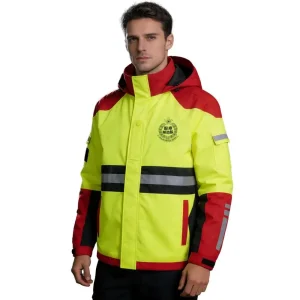
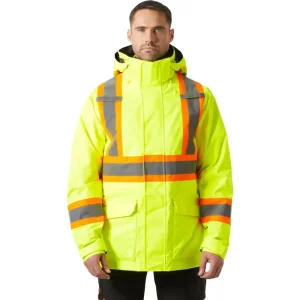
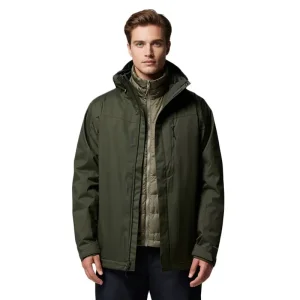
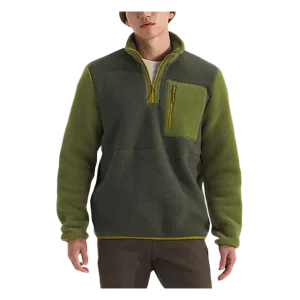
A comprehensive analysis of Pakistan’s evolving manufacturing, energy, and infrastructure sectors driving high-specification occupational protective equipment (PPE).
Pakistan is currently experiencing a historic structural transformation across its commercial and industrial fabric. Driven by the China-Pakistan Economic Corridor (CPEC) Phase II, the transition from basic infrastructure development to specialized industrial zones—such as the Rashakai Special Economic Zone (SEZ), Allama Iqbal Industrial City in Faisalabad, and the Dhabeji SEZ in Sindh—has created an unprecedented demand for enterprise-grade Original Design Manufacturing (ODM) workwear.
Historically reliant on basic local textile production that often lacked technical certification, enterprise buyers in Pakistan—ranging from multinational oil & gas operators in Sindh to major engineering conglomerates in Punjab—are rapidly updating occupational safety standards. Compliance with modern occupational safety standards (OSH) and international frameworks like EN ISO 20471 (High Visibility), EN 343 (Weather Protection), and NFPA 2112 (Flame Resistance) is no longer optional; it is mandatory for procurement.
How technical textiles, ergonomic CAD pattern grading, and multi-norm certification are redefining global B2B procurement strategies.
Global workwear procurement has moved past single-function clothing. Modern enterprises demand hybrid solutions combining high-visibility fluorescent hues with inherent flame resistance (FR), anti-static conductive grid threads, and liquid-chemical repellency in a single integrated garment fabric.
Workplace injury reduction and worker productivity are closely tied to mobility. Utilizing 3D CLO software, our ODM development replaces traditional boxy cuts with articulated elbow gussets, action-back shoulders, and diamond-crotch panels engineered specifically for active technicians and rig workers.
Global ESG mandates require enterprise buyers to track scope 3 supply chain emissions. We incorporate GRS-certified recycled polyester fibers, bluesign® approved membrane laminations, and PFC-free Durable Water Repellent (DWR) coatings without compromising abrasion resistance.
In major Pakistani procurement tenders, initial garment cost can be deceiving. Low-cost uncertified cotton workwear typically suffers fabric breakdown, color fading, and reflective strip degradation after 15 to 20 industrial wash cycles. Ruiniu’s ODM engineered workwear uses micro-bonded synthetics and 3M™ Scotchlite™ retro-reflective materials rated for 50+ industrial wash cycles at 60°C, reducing annual corporate apparel replacement budgets by up to 34%.
How Guangdong Ruiniu Garment Manufacturing Co., Ltd. combines smart manufacturing, agile development, and rigorous quality assurance.
Located in Nanhai District, Foshan, Guangdong, Ruiniu Garment Co., Ltd. operates state-of-the-art facilities dedicated exclusively to high-performance technical outerwear and protective clothing. Spanning 23+ years of technical manufacturing heritage, our manufacturing hub integrates automated GERBER CAD spreading and laser cutting units that maintain fabric utilization efficiency above 88%.
Our production floor operates automated seam-sealing lines for 2L, 2.5L, and 3L waterproof laminates, fully digitalized down/synthetic blow-filling chambers, and ultrasonic bonding machines. This ensures that every high-visibility jacket or multi-pocket workwear parka shipped to Pakistan meets strict tolerances for seam strength, water-column resistance, and dimensional stability.
Quality assurance at Ruiniu follows a strict 3-tier system: incoming raw material audit using the 4-Point System, continuous in-line sewing quality patrols every 2 hours, and 100% final pre-packing inspection adhering to AQL 2.5 standard. Hydrostatic head tests (ISO 811) and retro-reflective coefficient audits are performed on-site for each batch.
We bridge the gap between heavy industrial capacity and agile procurement by offering low Minimum Order Quantities (MOQ starting at 100 pcs per style). This allows Pakistan enterprises, contractor groups, and safety equipment distributors to initiate trial orders or tender-specific custom colorways without excessive inventory risk.
| Performance Category | Testing Standard | Ruiniu Baseline Spec | Pakistan Operational Advantage |
|---|---|---|---|
| Hydrostatic Head (Waterproofness) | ISO 811 / JIS L1092 | 10,000mm – 20,000mm H₂O | Withstands torrential monsoon rains in Punjab & Sindh coastal zones |
| Breathability (MVTR) | JIS L1099 B1 / ASTM E96 | 8,000 – 15,000 g/m²/24h | Prevents heat stress under high ambient heat and humidity conditions |
| Retro-Reflectivity Retention | EN ISO 20471 / ANSI 107 | >330 cd/(lx·m²) (Class 2 / 3) | Ensures maximum night safety at ports, mines, and highway projects |
| Fabric Tear & Tensile Strength | ISO 13937-2 / ASTM D5034 | Warp: >1200N / Weft: >900N | Prevents tearing during severe mechanical stress on rigs & jobsites |
| Color Fastness to Light & Washing | ISO 105-B02 / ISO 105-C06 | Grade 4-5 (50 cycles at 60°C) | Resists intense UV degradation and harsh industrial laundering |
Specific protective garment configurations optimized for Pakistan’s geography, industrial sectors, and regulatory environment.
Operations in open-pit coal extraction and desert drilling rigs demand lightweight flame-retardant (FR) multi-pocket coveralls and tactical jackets.
Road building and bridge construction crews require high-contrast Class 3 reflective vests and softshell jackets for round-the-clock safety.
Dockworkers and container crane operators experience saline humidity and intense sun exposure during long shifts.
Grid utility repair teams working in high-elevation mountain passes require windproof, storm-ready thermal insulation.
Explore our full array of engineered garments, customizable by fabric weight, reflective tape positioning, and corporate branding.
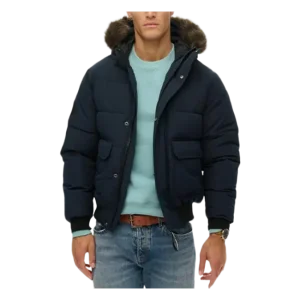
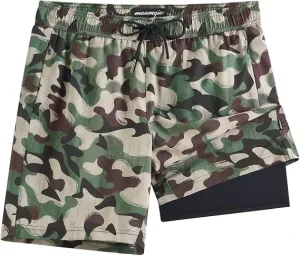
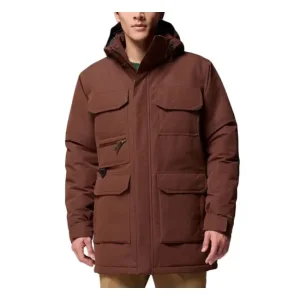
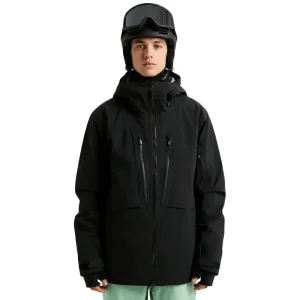
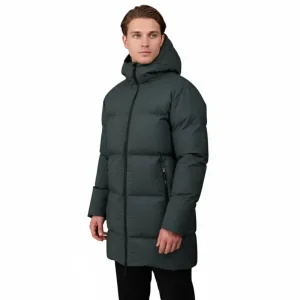
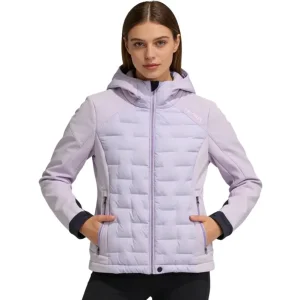
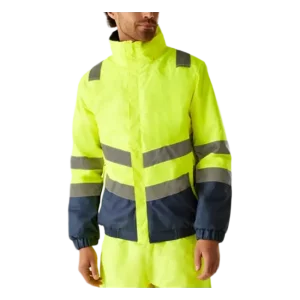
Detailed technical answers for procurement managers, safety heads, and institutional buyers in Pakistan.
While Pakistan possesses a robust domestic basic cotton textile sector, specialized technical workwear requires advanced synthetic lamination (2L/3L membranes), seam-sealing machinery, certified retro-reflective tape integration, and precise multi-norm testing (EN ISO 20471, EN 343). Domestic suppliers frequently lack seamless access to high-grade technical synthetic mills and micro-porous PTFE/TPU membranes. Ruiniu Garment provides integrated Industry 4.0 manufacturing, automated laser cutting, and certified fabric platforms (OEKO-TEX®, bluesign®) that satisfy international audit mandates for major CPEC contractors and corporate entities in Pakistan.
Our baseline standard MOQ is 100 pieces per style, which can be split across standard industrial size runs (S to 5XL) and custom corporate colorways (e.g., Hi-Vis Yellow/Navy or Safety Orange/Grey). For initial tender trials or institutional prototyping, we also support 50-piece pilot runs using pre-certified in-stock technical fabrics. Prototyping and 3D CLO fit sample development takes 7 to 10 working days, while bulk production is completed within 30 to 45 days post-sample confirmation.
Our ODM development teams engineer tropicalized workwear fabrics using mechanical stretch poly-cotton ripstop weaves (e.g., 65% Polyester / 35% Cotton at 180-210 GSM) treated with hydrophilic moisture-wicking finishes and UPF 50+ UV blockers. We incorporate laser-cut ventilation eyelets beneath armpits and back yokes. Furthermore, our reflective tapes use segmented heat-transfer films that maintain breathability and flex without cracking under intense sun exposure in Southern Pakistan.
We provide comprehensive export support under FOB Shenzhen/Guangzhou, CIF Karachi (KCT/KICT/PICT), or DDP terms. All shipments include a detailed Commercial Invoice, Packing List with carton-level barcode tracking, Certificate of Origin (Form E for China-Pakistan FTA preferential tariffs where applicable), and third-party laboratory test reports (SGS/Intertek). Primary HS Codes utilized include 6203.3300 (Men's Workwear Synthetic Jackets), 6203.4300 (Industrial Synthetic Trousers), and 6211.3300 (Protective Workwear Outerwear).
Yes. We offer fully integrated in-house branding capabilities including Tajima electronic embroidery, high-frequency TPU badge welding, and heat-seal silicone transfer logos. All logo applications undergo AATCC 135 wash-durability testing to ensure they do not peel, crack, or lose color fastness after 50 cycles of industrial laundering at 60°C.