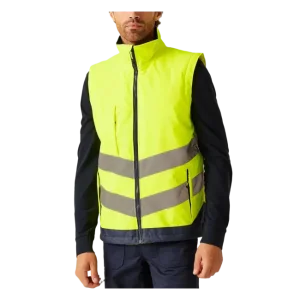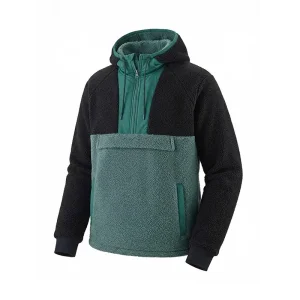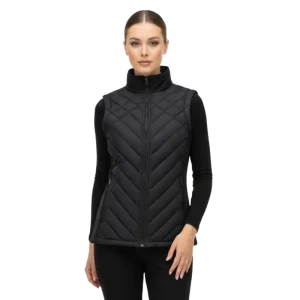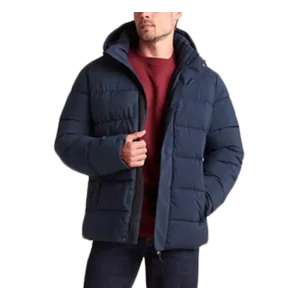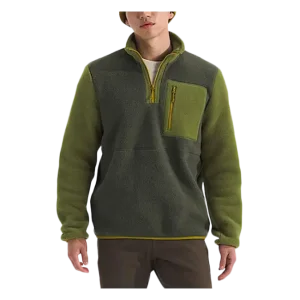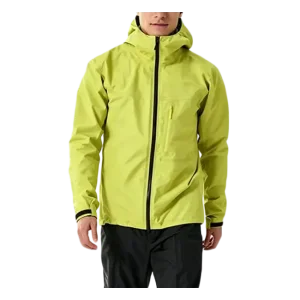
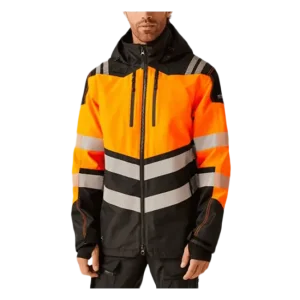
Conakry Wet-Season Hi-Vis Waterproof Reflective Safety Jacket
View Specifications
Field-tested technical outer layers tailored for maritime operations at the Autonomous Port of Conakry and intensive logistics transit corridors.
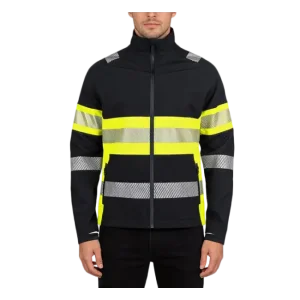
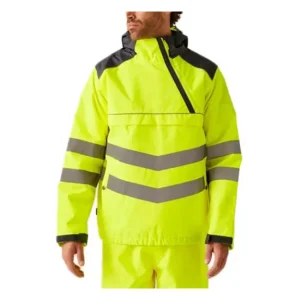
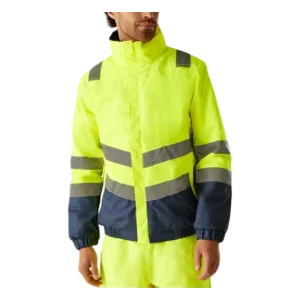
Understanding the harsh operational matrix of the Republic of Guinea's commercial, coastal, and extractive hubs.
Conakry serves not only as the governmental and administrative heart of Guinea but also as the nation's principal arterial gateway for international commerce. As major investments flow into the Simandou iron ore deposits and extensive bauxite reserves across Boké and Kindia, Conakry's infrastructure has experienced exponential pressure. The multimodal transshipment operations through the Autonomous Port of Conakry require stringent occupational health and safety (OHS) measures.
Industrial personnel operating heavy machinery, bulk cargo berths, and rail discharge terminals confront exceptional environmental risks. In these high-consequence operational zones, worker visibility is not merely a regulatory tick-box; it is an engineered survival parameter.
Engineering safety apparel for Conakry demands a rigorous understanding of the local climate. Conakry experiences one of the highest seasonal rainfalls in West Africa, with monsoon seasons dumping over 3,700 mm of rain between June and November, coupled with ambient relative humidity persistently surpassing 85%. Standard off-the-shelf polyester vests delaminate rapidly and cause severe thermal stress.
Simultaneously, the fine laterite bauxite dust infiltrates open weave fabrics, permanently staining fluorescent surfaces and degrading the refractive micro-prisms of generic glass-bead reflective tapes. Specialized microporous membranes and dirt-release finishes are critical to keeping PPE compliant throughout extended operational life cycles.
Modular safety apparel architectures tailored to the key commercial sectors driving Guinea's economic expansion.
Sealed 3-layer breathable laminates with non-corrosive acetyl zippers and oil-repellent exterior treatments, designed specifically to withstand saline marine breezes and non-stop maritime container crane handling.
Reinforced high-denier Oxford weaves (300D–600D) with chemical-resistant fluorocarbon coatings that prevent fine iron and bauxite dust from choking the reflective micro-prisms and base fluorescent fibers.
Ultra-breathable segmented reflective tape designs integrated into high-wicking mesh chassis, providing EN ISO 20471 Class 3 road safety for urban roadwork along the heavily congested Conakry peninsula.
Harnessing advanced manufacturing facilities in Guangdong to guarantee zero-defect bulk supply directly to Guinea.
Every waterproof safety uniform destined for the Conakry wet season utilizes computer-controlled automated knife and laser plotting tables. Fabric panels are micro-cut to millimeter tolerances, preventing edge fraying. Structural joins are backed by multi-ply thermo-adhesive polyurethane sealing tapes applied under strictly calibrated pneumatic pressure and heat, verifying zero ingress even at 15,000mm water columns.
We source raw yarns, high-visibility reactive dyes, and retro-reflective glass-bead membranes strictly from ISO 9001 and OEKO-TEX® certified mills. Every batch entering our production lines undergoes photometric retro-reflectance testing (R' > 400 cd/(lx·m²)) and hydrostatic burst evaluations. Full batch-level testing certificates are supplied directly to enterprise procurement managers.
Full compliance documentation matching the rigorous requirements of multinational consortia and Guinean national safety codes.
Apparel designs are pre-certified under EN ISO 20471 (EU), ANSI/ISEA 107 (USA), and aligned with the West African Economic and Monetary Union (UEMOA) safety mandates to ensure seamless corporate audits.
Consolidated container shipping routes directly from Shenzhen and Guangzhou to the Port of Conakry with comprehensive handling of phytosanitary declarations, Certificates of Origin, and pre-customs clearing files.
Industrial-grade embroidery, heat-welded silicone badging, and multi-color silk-screen printing designed to showcase EPC project logos while preserving flame-retardant and waterproof membrane continuity.
Next-generation textiles, sustainable materials, and digital manufacturing workflows serving the African resource sector.
Migrating uniform programs to 100% post-consumer recycled PET bottles without compromising spectral chroma luminance values, supporting multinational mining companies in achieving Scope 3 ESG objectives.
Integrating paraffinic phase-change materials (PCM) within the inner matrix of safety uniforms to actively balance the severe thermal spikes experienced by operators in Guinea's open-cast bauxite pits.
Embedding passive RFID inventory chips and active micro-sensor beacons for real-time personnel positioning, geofencing, and heat stress monitoring across extensive transport and extraction concessions.
Direct technical answers for engineering leads, health & safety directors, and global supply managers.
Integrated industrial layers, specialized uniforms, and technical work jackets engineered for demanding operating conditions.