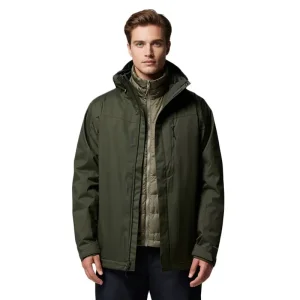
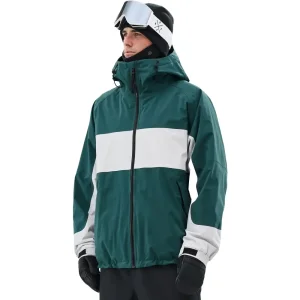
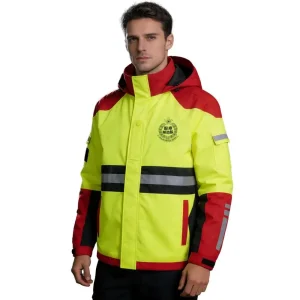
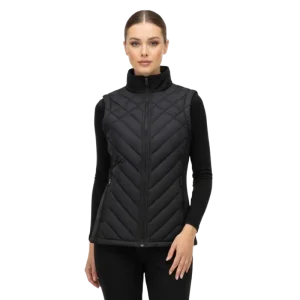
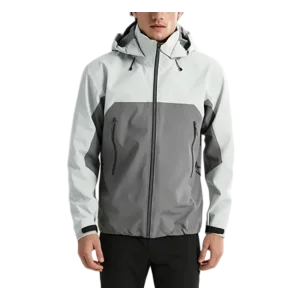
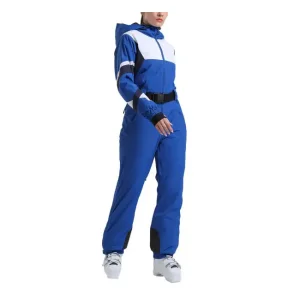
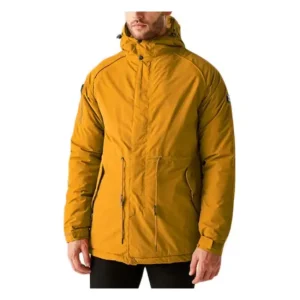
Explore high-spec technical outerwear engineered by certified ski jacket factories. Built for extreme thermal efficiency, waterproof ratings up to 20,000mm, and seamless ergonomic movement.
An in-depth whitepaper analysis on technical outerwear manufacturing, structural OEM/ODM frameworks, supply chain integrity, and material performance metrics driving the world's leading alpine brands.
The global winter sports apparel market has undergone a fundamental structural shift over the past decade. Driven by expanding participation in alpine ski touring, snowboarding, and technical outdoor activities, global commercial demand for high-performance winter outerwear is accelerating rapidly. Sourcing directors, outdoor apparel brands, and retail chain buyers are no longer seeking simple cut-and-sew apparel facilities; they require high-precision ski jacket factories capable of integrating advanced membrane lamination, micro-seam sealing technology, and complex thermal baffle engineering.
A professional ski jacket factory operates at the intersection of material science and precision textile manufacturing. Unlike standard garment production lines, technical winter outerwear requires specialized production infrastructure, including ultrasonic welding stations, hot-air seam sealing equipment, differential pressure tester benches, and fully automated pneumatic down-filling chambers. The strategic landscape of global procurement demands that buyers evaluate ski jacket suppliers not only on per-unit FOB pricing, but on technical compliance, ISO quality systems, and raw material traceable standards.
Core Technical takeaway: Sourcing high-performance ski wear requires shifting procurement evaluation from standard apparel parameters (GMS, thread count) to membrane physics (Waterproof Hydrostatic Head, Moisture Vapor Transmission Rate), seam sealing integrity, and factory seam-slippage thresholds under dynamic freezing stresses.
China remains the absolute global powerhouse in technical ski wear manufacturing, accounting for over 70% of world technical winter garment exports. The concentration of advanced textile supply chains in regions like Guangdong (Foshan, Dongguan, Guangzhou) provides an unmatchable ecosystem for brands seeking rapid development, material consistency, and scalable manufacturing flexibility.
Local industrial clusters ensure instant proximity to 2L/3L membrane laminators, YKK AquaGuard waterproof zipper mills, Bemis seam-seal tape producers, and RDS-certified down processors within a 50km radius.
Utilizing 3D CLO software and computerized automatic cutter systems, leading Chinese factories achieve marker efficiencies exceeding 88%, reducing fabric yield waste on expensive waterproof membranes.
Modern Chinese ski jacket factories employ Just-In-Time (JIT) single-piece flow production lines integrated with 3-tier inspection systems (4-point fabric audit, in-line patrol, 100% final AQL 2.5 testing).
| Manufacturing Dimension | Standard Garment Workshop | Advanced Chinese Ski Jacket Factory | Commercial Buyer Benefit |
|---|---|---|---|
| Seam Sealing Standard | Unsealed / Basic Stitching | 13mm-22mm Hot-Air Bemis TPU Taping | 100% Storm-proof, zero leak guarantee under pressure |
| Hydrostatic Testing | Not Conducted / Standard DWR | In-house Hydrostatic Head (ISO 811) Rig | Verified 10,000mm to 20,000mm water resistance |
| Insulation Tech | Manual Polyfill Laying | Automated Down Blowers with 0.1g Scale Precision | Elimination of cold spots; precise fill weight per baffle |
| Pattern & Grading | Manual Paper Templates | 3D CLO Simulation + Automated Gerber Cutting | Zero size variance across full production runs |
Different winter outdoor environments demand distinct garment engineering. A top-tier OEM ski jacket factory customizes laminate selection, lining warmth mapping, and hardware specifications to suit exact end-use environments.
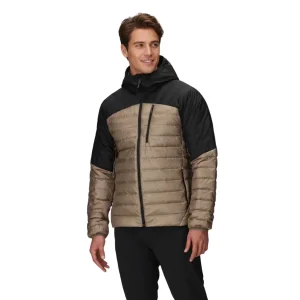
Primary Specs: 2L Hardshell with 80-120g body-mapped synthetic/down insulation. Features integrated powder skirts, lift pass sleeve pockets, mesh-lined underarm pit zips, and helmet-compatible hoods.
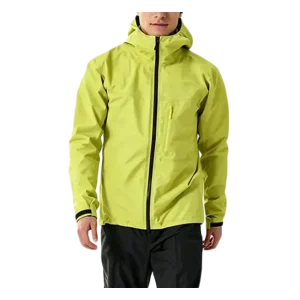
Primary Specs: Ultra-lightweight 3L laminate shells without heavy padding. Focus on extreme breathability (MVTR > 20,000 g/m²/24h), mechanical stretch, RECCO® rescue reflectors, and pack-compatible pocket placements.
Primary Specs: Relaxed, long-fit ergonomic cuts engineered for movement. Heavy-duty 150D/300D ripstop face fabrics with reinforced cuff guards, jacket-to-pant zip connectors, and double storm flaps.
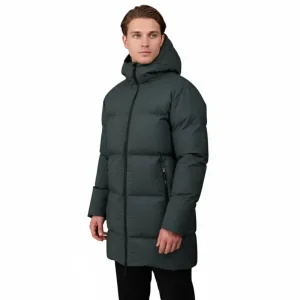
Primary Specs: Heavyweight down parkas with double-baffle box-wall construction. Filled with 750-800 Fill Power RDS goose down, membrane face fabric, internal fleece storm cuffs, and deep cold-weather hoods.
As regulatory frameworks in Western markets (such as the EU Green Deal and US State PFAS restrictions) tighten, global ski jacket factories are aggressively modernizing their chemical processing, fabric lamination, and circular manufacturing capabilities.
Traditional C8 and C6 fluorocarbon-based water repellent treatments are being rapidly phased out. Leading factories now utilize bio-based C0 DWR coatings combined with ultra-dense micro-weave face fabrics to maintain high water bead-off rates without toxic fluorocarbons.
Modern OEM orders increasingly demand GRS-certified (Global Recycled Standard) recycled polyester face fabrics derived from post-consumer PET bottles. Furthermore, single-material garment construction (where shell, lining, membrane, and zippers are all 100% polyester) allows full end-of-life circular recycling.
Replacing traditional needle stitching with ultrasonic heating or stitchless thermal bonding eliminates needle holes through which down feathers escape. This advances water resistance while providing sleek, futuristic aesthetic lines preferred by modern winter sports consumers.
High-end ski jacket suppliers are integrating flexible graphene heating elements powered by slimline USB power banks. Embedded smart thermal sensors automatically adjust temperature output based on body heat and ambient freezing temperatures.
For B2B buyers, sourcing managers, and outdoor clothing brands, establishing a foolproof quality control protocol with your manufacturing partner is critical to avoiding seasonal delays and costly product recalls.
Before placing a purchase order with any ski jacket factory, insist on receiving third-party test reports (from accredited bodies such as SGS, Intertek, or TÜV Rheinland) or running in-house lab tests covering the following metrics:
European and North American buyers must ensure their supplier facilities hold international management and compliance certifications:
Technical answers to common questions asked by apparel procurement teams when onboarding a custom ski jacket manufacturer.
Standard industrial MOQs for custom technical ski jackets typically start at 100 to 300 pieces per style/colorway. This minimum is driven by custom membrane lamination batch requirements at fabric mills and specialized color dye lots. For developing brands, flexible factories can offer pilot runs on in-stock performance fabrics.
Technical sampling (proto sample, fit sample, PP sample) takes approximately 7 to 14 working days. Bulk production lead time generally ranges between 30 and 45 days following final Pre-Production (PP) sample approval and fabric arrival. Complex 3-layer fully seam-sealed jackets with custom hardware reside at the longer end of this window.
Down leakage is prevented through a multi-layer strategy: using ultra-dense micro-denier fabrics treated with cire or down-proof coatings, utilizing high-grade coated non-woven down bags inside baffles, selecting rounded-tip anti-friction sewing needles (size 70/10 or 75/11), and applying high-density stitch configurations (12-14 stitches per inch).
Yes. Full-service ODM ski jacket factories maintain dedicated R&D pattern rooms and 3D digital apparel software (such as CLO 3D or Optitex). They convert hand sketches, mood boards, or competitor reference jackets into complete production-ready Tech Packs, graded spec sheets, and 3D virtual fittings.
A 2-Layer (2L) jacket bonds face fabric to the waterproof membrane and uses a loose hanging mesh/fleece liner for comfort. A 2.5-Layer (2.5L) features a face fabric, membrane, and a printed protective inner coating, making it ultra-lightweight and packable. A 3-Layer (3L) laminates face fabric, membrane, and inner tricot backing into one durable structure—offering maximum storm protection, durability, and breathability for extreme alpine touring.
Explore additional winter parkas, professional waterproof hardshells, fleece mid-layers, and specialized outdoor wear produced by our manufacturing network.