Engineered with precision seam-sealing, RDS-certified down, and high-hydrostatic membrane shells for extreme environments.
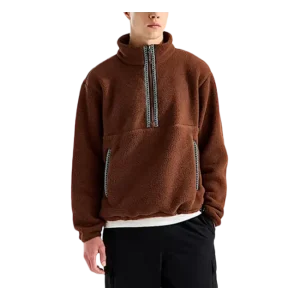
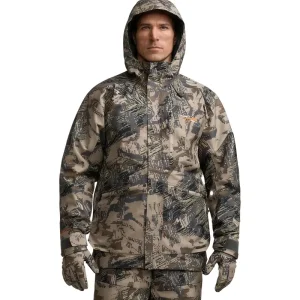
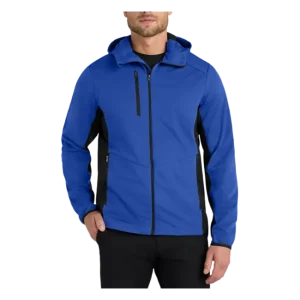
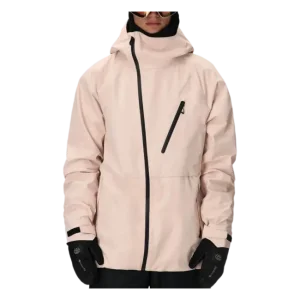
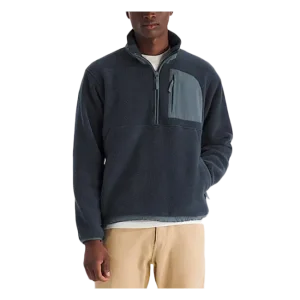
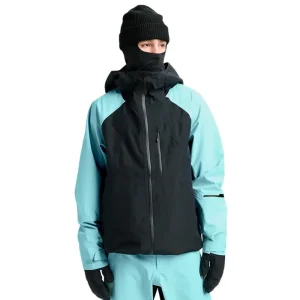
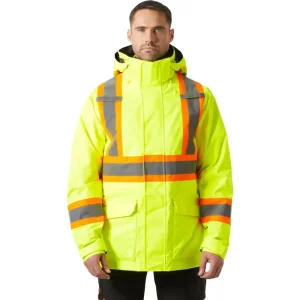
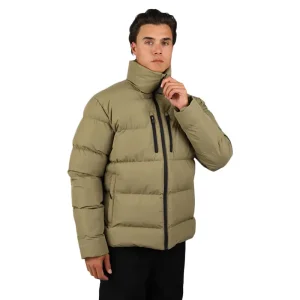
A comprehensive white paper analysis of market dynamics, consumer shifts, and technical supply chain innovations in OEM insulated jacket sourcing.
The global technical outerwear market is undergoing a seismic shift. Modern consumers no longer view insulated outdoor jackets purely through the lens of alpine utility; instead, there is a convergence between high-altitude performance, urban aesthetic versatility, and stringent environmental sustainability. According to recent supply chain data, global enterprise buyers are increasingly transitioning from fragmented sub-contracting models to unified, vertically integrated OEM/ODM manufacturing partnerships capable of delivering certified technical compliance.
As brands navigate volatile demand cycles, inflation in raw material inputs, and stringent international ESG guidelines (such as the EU Corporate Sustainability Due Diligence Directive), selecting the right OEM insulated outdoor jacket exporter and supplier has become a vital strategic decision. Modern suppliers are expected to possess advanced R&D capabilities, offering 3D virtual prototyping, custom fabric lamination, heat-bonded baffle technologies, and fully traceable supply chains.
Evaluating total landed cost, quality gates, lead-time resilience, and technological execution across global outdoor buyer tiers.
Requires strict compliance with bluesign®, OEKO-TEX Standard 100, and GRS certification. Focuses on proprietary 3L membrane development and automated seam-taping precision.
Prioritizes agility, low MOQs, micro-baffle puffer designs, and rapid sample turnaround. Needs modular 3-in-1 shell-and-liner combinations for urban versatility.
Demands EN ISO 20471 Class 3 compliance, flame-retardant synthetic fills, high abrasion ripstop fabrics, and industrial wash durability.
A deep dive into shell membrane dynamics, thermal insulation selection, seam-sealing physics, and hydrophobic fabric treatments.
The protective outer barrier of an insulated jacket determines its windproofness, waterproof performance, and vapor permeability. OEM suppliers utilize engineered lamination tech:
Thermal management is the heart of an insulated jacket. OEM suppliers must advise buyers on the precise warmth-to-weight ratio required for specific geographical climates:
Fill Power: 600 FP to 800+ FP (90/10 or 80/20 Duck/Goose Down).
Benefits: Highest warmth-to-weight ratio, ultimate packability, natural breathability.
Compliance: RDS (Responsible Down Standard) chain-of-custody certified.
Density Range: 60g/m² to 200g/m² body-mapped polyester fill.
Benefits: Retains 95% of thermal value when wet, quick-drying, zero fiber migration.
Compliance: GRS (Global Recycled Standard) post-consumer content.
Innovation: Stitchless ultrasonic bonding replaces traditional sewing needles.
Benefits: Eliminates needle holes to achieve 0% down leakage and complete windproof barrier.
Application: High-end ski wear and technical alpine puffers.
Even the finest waterproof membrane fails if moisture penetrates stitch lines. Professional OEM jacket manufacturers implement 13mm to 22mm hot-melt TPU seam taping across all critical or fully-taped seam lines. Furthermore, with global regulations phasing out long-chain perfluorinated chemicals, high-grade exporters utilize PFC-free (C0) Durable Water Repellent (DWR) treatments that maintain a Spray Rating of 90+ (ISO 4920) even after 20 continuous industrial wash cycles.
Protecting global brand equity through rigorous lab testing, environmental safety standards, and audited ethical labor.
All fabrics, linings, zippers, drawcords, and thread dyes are thoroughly screened against the Restricted Substances List (RSL). Guaranteed non-toxic skin contact, zero heavy metals, and full compliance with European REACH protocols.
Partnering with certified yarn manufacturers (such as REPREVE®) to provide 100% post-consumer recycled polyester and nylon face fabrics backed by GRS transaction certificates for total batch-level auditability.
Every order undergoes a rigid 3-stage inspection: 4-Point System fabric roll inspection upon arrival, 2-hour interval in-line sewing audits, and 100% final garment hydrostatic and dimensional check before packaging.
Exploring the next wave of technological innovations set to define the outdoor jacket manufacturing industry over the next decade.
The traditional sampling process in outerwear production historically generated excessive textile waste and added weeks to product development timelines. By integrating 3D CLO digital pattern simulation, OEM suppliers can now render hyper-realistic fabric drape, stress heatmaps, and precise fit adjustments prior to cutting physical cloth. Combined with AI-driven automated marker nesting, factories achieve over 88% fabric utilization rates, directly reducing landed material costs for buyers.
Future insulated jackets are moving beyond passive static insulation. Next-generation OEM lines are integrating microencapsulated Phase Change Materials (PCM) into internal jacket backer linings. These PCMs absorb excess body thermal energy during intense exertion (e.g., uphill ski touring) and release stored heat when body temperature drops during rest, providing dynamic climate control.
Recyclability is the ultimate frontier in sustainable garment manufacturing. Conventional jackets blend nylon shells, polyurethane membranes, polyester linings, and metal zipper sliders—making total end-of-life recycling nearly impossible. The industry roadmap focuses on Mono-Material Construction, where the shell, membrane, insulation fill, sewing thread, and zip teeth are engineered entirely from 100% Polyester (PET). This allows the finished jacket to be shredded and chemically recycled directly into new virgin-grade yarn without delamination disassembly.
Expert insights addressing key OEM customization challenges, quality assurance protocols, and manufacturing workflows.
Our standard production minimum order quantity (MOQ) is 100 pieces per style, which can be split across multiple colorways and a full size run (XS to 3XL). For custom development programs on selected in-stock performance fabrics, pilot production runs starting at 50 pieces are available. Proto and fit samples are typically delivered in 7 to 10 working days following 3D CAD pattern sign-off.
Down leakage is solved through a multi-layer engineering approach: (1) Utilizing 20D to 40D ultra-high-density down-proof nylon fabrics coated with a microscopic acrylic backer; (2) Employing specialized German ball-point needles (size 65/9 to 75/11) that slip between fabric threads rather than cutting them; (3) Sealing stitch lines with anti-leak down tapes or adopting heat-bonded weld baffle technology; and (4) Calibrating automated down-injection chambers to ensure down fiber tolerance remains below 0.3% leakage under standardized tumble testing.
Every bulk shipment includes a comprehensive Quality Inspection Certificate package, including: Hydrostatic Pressure Test Reports (ISO 811 / JIS L1092), Water Vapor Permeability Reports (JIS L1099 B1), Fabric Tear & Tensile Strength Audits (ISO 13937), Color Fastness to Washing/Rubbing (ISO 105), RDS Down Traceability Lot Certificates, and AQL 2.5 Final Inspection Reports.
Yes. We specialize in 3-in-1 modular outerwear systems where an outer 2L or 3L waterproof shell connects seamlessly with an inner fleece, padded mid-layer, or down liner jacket via standardized internal neck loops, sleeve snaps, and dual-track YKK reversible zippers. We grade both inner and outer garments simultaneously in CAD to guarantee zero internal bunching across all size ranges.
Yellowing around TPU waterproof zippers or laser-cut pocket edges is caused by plasticizer migration or heat degradation during bonding. We eliminate this by utilizing low-temperature polyurethane adhesive films, inert nitrogen-assisted laser cutting nozzles, and TPU zipper tapes tested to ISO 105-X12 for plasticizer migration resistance.
Once the Pre-Production (PP) sample and lab dips are signed off, standard bulk production requires 30 to 45 calendar days depending on fabric lamination and embellishment complexity. We manage full export customs clearing, offering FOB Shenzhen/Guangzhou, CIF, or DDP (Delivered Duty Paid) door-to-door air and sea freight logistics directly to your distribution center.
Custom workwear, softshells, expedition parkas, and summer off-season production capabilities.
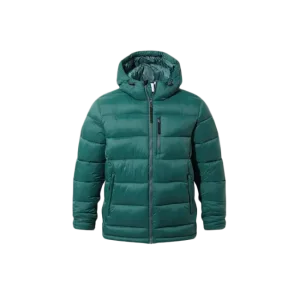
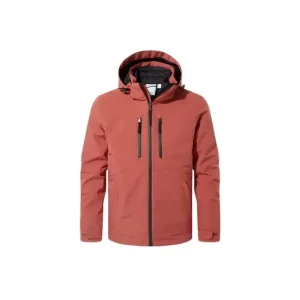
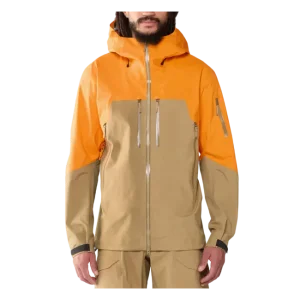
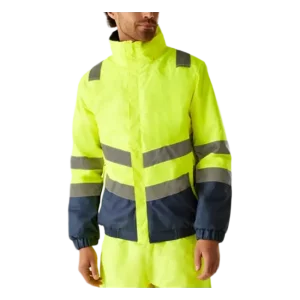
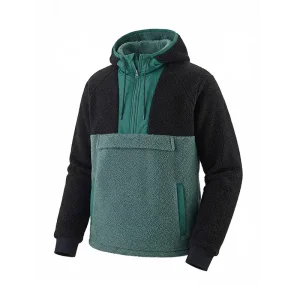
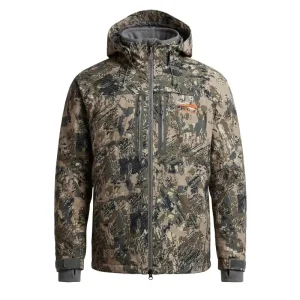
Send your tech pack or design concept today. Our senior outerwear engineers will deliver a comprehensive manufacturability review, fabric recommendation, and FOB pricing analysis within 24 hours.