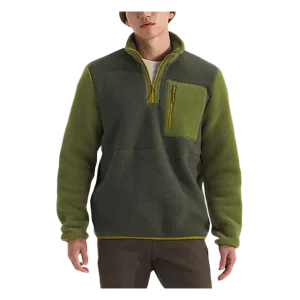
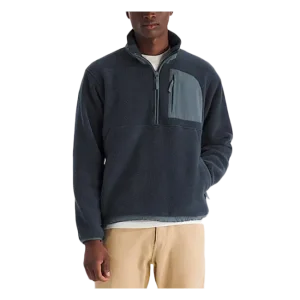
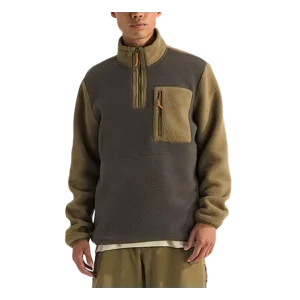
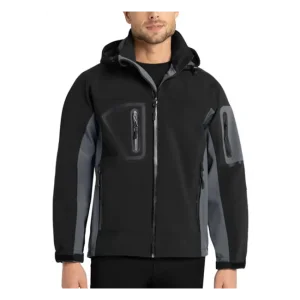
An Executive Engineering & Sourcing Analysis: Micro-Climate Thermal Optimization, High-Density Fleece Fabric Innovation, BPO Corporate Uniform Standards, and China-to-Philippines OEM Supply Chain Synergy.
Engineered specifically for corporate BPO campuses, cold-chain industrial facilities, and highland outdoor ventures across Luzon, Visayas, and Mindanao.
The Philippines garment market presents a unique, dual-climate sourcing requirement. While the archipelago is globally recognized for its tropical maritime weather, the rapid expansion of specialized commercial sectors—specifically Business Process Outsourcing (BPO / IT-BPM), cold-chain logistics, food production hubs, and mountain eco-tourism—has created an unprecedented surge in demand for high-performance custom fleece jackets.
Corporate enterprises operating 24/7 call centers across Metro Manila (BGC, Makati, Ortigas), Cebu City, and Clark Freeport Zone require heavily air-conditioned indoor facilities maintaining strict thermal envelopes (18°C–21°C). For hundreds of thousands of BPO professionals working nocturnal shifts, high-density micro-fleece pullovers and full-zip jackets serve as an indispensable everyday uniform item. Consequently, enterprise procurement managers no longer view fleece jackets merely as promotional gifts, but as essential corporate workwear requiring strict durability, anti-pilling longevity, and brand alignment.
Understanding the exact environmental context is critical when selecting technical fleece jacket specifications for Philippine buyers. Sourcing managers must evaluate four core local application landscapes:
24/7 HVAC office environments require 200–240 GSM micro-fleece. Focus is placed on anti-static properties, lint-free surfaces to avoid electronics contamination, and refined color fastness (Grade 4.0+) to sustain industrial laundry cycles without fading.
Highland urban areas such as Baguio City, Benguet, and Tagaytay experience temperatures dropping to 10°C–15°C alongside high ambient humidity. Heavyweight polar fleece (280–350 GSM) with hydrophobic DWR outer coatings provides essential thermal insulation without moisture saturation.
Cold storage facilities in Laguna, Cavite, and Davao demand heavy-duty bonded softshell fleece jackets. Combining windproof TPU membranes with thermal fleece linings protects warehouse technicians working in refrigerated zones (-5°C to 4°C).
Mining operations in Caraga and offshore infrastructure teams require high-visibility fleece workwear equipped with retro-reflective tape, reinforced ripstop shoulder overlays, and double-needle contrast stitching.
Key Takeaway for Philippine Importers: Sourcing low-cost domestic fleece garments often results in severe fabric pilling, sleeve distortion, and color bleeding after only 3 to 5 washes. Sourcing directly from certified Guangdong garment manufacturing facilities guarantees specialized anti-pilling fleece fabrics (ASTM D3512 Grade 4-5) engineered for corporate durability.
Comparing weight classes, yarn structures, anti-pilling grades, and application suitability.
| Fleece Category | Fabric Weight (GSM) | Yarn & Fiber Composition | Anti-Pilling Grade | Primary Philippine Market Target |
|---|---|---|---|---|
| Micro-Fleece (100 Series) | 180 GSM - 220 GSM | 100% Recycled DTY Filament Polyester | Grade 4.5 (ASTM D3512) | BPO Office Wear, Indoor Call Center Mid-Layers |
| Polar Fleece (200 Series) | 240 GSM - 280 GSM | Spun Polyester / Micro-Polyester Blend | Grade 4.0 - 4.5 | Corporate Executive Wear, Highland Uniforms |
| Heavy Thermal Fleece | 300 GSM - 360 GSM | Anti-Pill Brushed Fleece / Sherpa Backing | Grade 4.0 | Baguio Outdoor Apparel, Cold-Chain Workwear |
| Bonded Softshell Fleece | 320 GSM - 380 GSM | 94% Poly + 6% Spandex + TPU Membrane + Fleece | Grade 4.5 (Waterproof 10K) | Mining Field Operations, Industrial Site Inspectors |
| Cationic Two-Tone Fleece | 230 GSM - 260 GSM | Cationic Dyeable Polyester Blend | Grade 4.5 | Premium Retail Outdoor Brands & Merchandising |
While local Philippine garment factories excel at basic cotton T-shirts and lightweight promotional polos, the domestic textile supply chain lacks high-precision synthetic fleece knits, automated brushing lines, and specialized anti-static shearing machinery. Most local manufacturers import raw fleece fabric from China, inflating raw material landed costs by 25% to 40% before cutting even begins.
By establishing a direct OEM/ODM partnership with Guangdong Ruiniu Garment Manufacturing Co., Ltd. in Foshan, China, Philippine enterprise procurement directors unlock distinct structural advantages:
Key innovations shaping enterprise garment procurement across Asia-Pacific.
Global ESG mandates require multinational BPO firms in Manila to source eco-friendly apparel. Fleece engineered from 100% recycled plastic water bottles (rPET) is fast becoming the standard specification for corporate procurement.
Combining softshell woven panels on shoulders and elbows with breathable fleece body panels creates "Hybrid Fleece Jackets." This construction enhances durability against backpack straps and seatbelts while retaining warmth.
Environmentally safe Water-Repellent (DWR) surface finishes protect wearers from sudden tropical rain drizzles during urban commutes between transit terminals and office towers without using toxic fluorocarbons.
From initial tech pack matching to door-to-door sea/air customs clearance into Manila Port or Clark Airport.
Send your vector artwork, target fabric GSM, logo embroidery size, and quantity. Our engineers provide detailed costing and material recommendations within 24 hours.
Our 12-person master sample room creates precise digital 3D fitting models followed by physical pre-production samples delivered to Manila in 7 to 10 working days.
Upon sample sign-off, JIT lean assembly lines complete bulk runs in 30–45 days. We manage sea freight (FOB Shenzhen / CIF Manila / DDP door delivery including customs paperwork).
Explore our full OEM manufacturing capabilities—from windproof softshells and down parkas to high-visibility safety uniforms.
Clear, authoritative technical answers addressing common import questions, customs procedures, and material standards.